Category: Regulations & Seasons

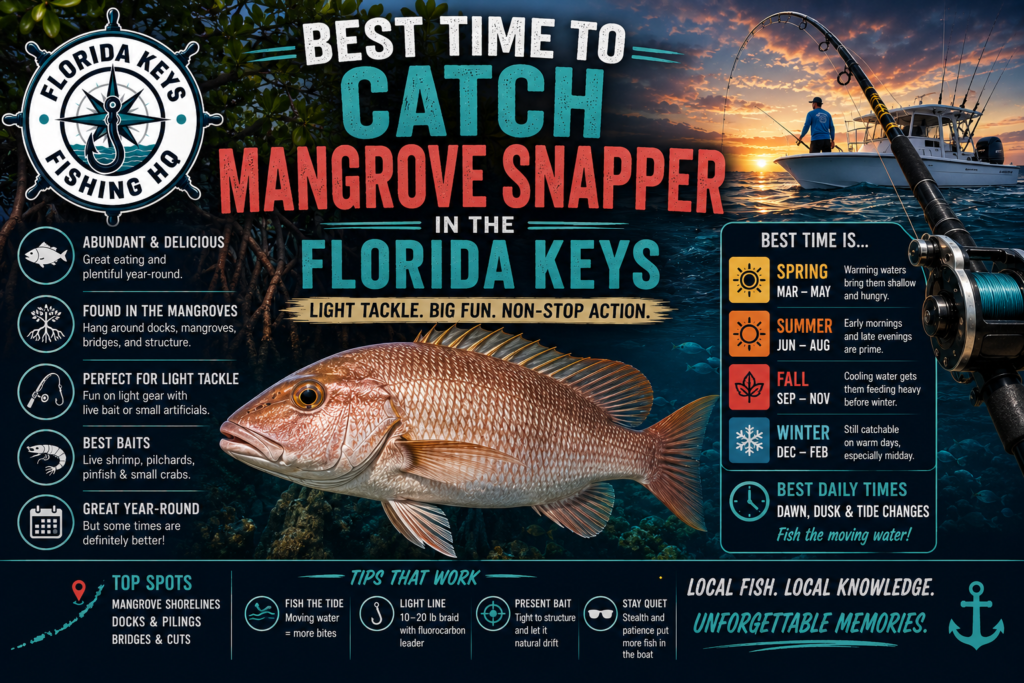
  • Best Time to Catch Mangrove Snapper in the Florida Keys (2026 Guide)

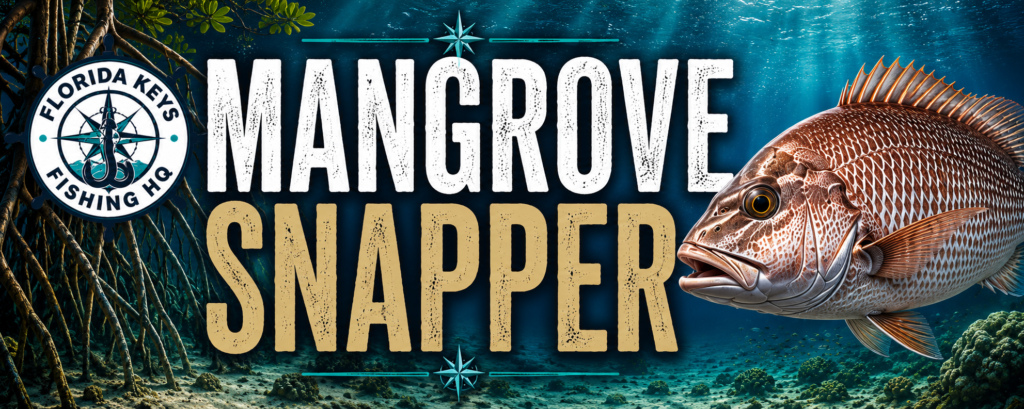
    Mangrove snapper are one of the most popular and reliable fish species in the Florida Keys. They can be caught throughout the year, but anglers who understand seasonal patterns, tides, moon phases, and feeding behavior consistently catch larger fish and fill limits faster.

    Whether you’re fishing bridges in Key Largo, patch reefs off Islamorada, or mangrove shorelines in the backcountry, knowing when mangrove snapper are most active can make a huge difference in your success.

    Best Season for Mangrove Snapper

    Mangrove snapper can be caught year-round in the Florida Keys, but the best fishing generally occurs from late spring through early fall.

    From May through September, warmer water temperatures increase feeding activity and bring larger schools of snapper onto reefs, bridges, wrecks, and mangrove shorelines. Summer is often considered the peak season for both numbers and size.

    Fall can also produce excellent fishing as water temperatures remain warm and baitfish are abundant throughout the Keys.

    Best Time of Day

    Mangrove snapper are known for being cautious feeders during bright daylight hours. Early morning and late evening are often the most productive times to target them.

    The first few hours after sunrise and the last few hours before sunset typically provide the best action. Low-light conditions make snapper less wary and more willing to leave structure to feed.

    Night fishing around bridges and dock lights can be especially productive. Many experienced Florida Keys anglers target mangrove snapper after dark using live shrimp, pilchards, or small pieces of cut bait.

    Best Tide for Mangrove Snapper

    Moving water is one of the most important factors when targeting mangrove snapper.

    An incoming or outgoing tide that creates steady current around bridges, reefs, docks, and mangrove shorelines often produces the best fishing. Current carries baitfish and crustaceans directly to waiting snapper.

    Slack tide periods can be slower because bait movement decreases and fish become less active.

    For bridge fishing in particular, many anglers prefer fishing the first half of an incoming tide or the first half of an outgoing tide when current is strongest.

    Does the Moon Phase Matter?

    Moon phases can significantly impact mangrove snapper fishing in the Florida Keys.

    The days surrounding the new moon and full moon generally create stronger tidal movement, which increases feeding activity. Larger tidal swings often improve fishing around bridges, channels, and reef structures.

    Many anglers report excellent snapper fishing within three days before and after a full or new moon.

    While mangrove snapper can certainly be caught during any moon phase, stronger tides usually result in more consistent action.

    Best Locations in the Florida Keys

    Some of the best places to target mangrove snapper include:

    • Channel 2 Bridge
    • Seven Mile Bridge
    • Bahia Honda Bridge
    • Tom’s Harbor Cut
    • Nearshore patch reefs
    • Gulf side mangrove shorelines
    • Dock lights and residential canals
    • Artificial reefs and wrecks

    Bridges are especially productive because current concentrates bait and provides structure that attracts large numbers of snapper.

    Tips for Catching More Mangrove Snapper

    A few simple adjustments can dramatically increase your catch rate:

    • Use fluorocarbon leaders for clear water conditions.
    • Fish during low-light periods whenever possible.
    • Use live shrimp, pilchards, pinfish, or small chunks of cut bait.
    • Match hook size to bait size.
    • Keep baits close to structure without getting snagged.
    • Fish moving water whenever possible.

    Patience and stealth are often more important than heavy tackle when targeting larger mangrove snapper.

    Final Thoughts

    The best time to catch mangrove snapper in the Florida Keys is typically during the warmer months, around moving tides, and during low-light conditions. While these fish are available year-round, anglers who focus on current, moon phase, and feeding periods consistently experience the best success.

    Whether you’re fishing bridges in Key Largo, patch reefs off Islamorada, or mangrove shorelines throughout the Keys, applying these strategies will help you catch more mangrove snapper and improve your overall fishing results.
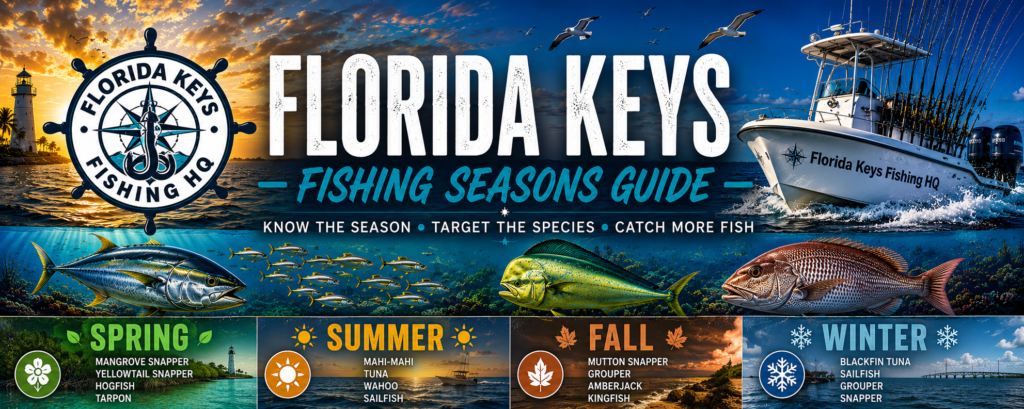
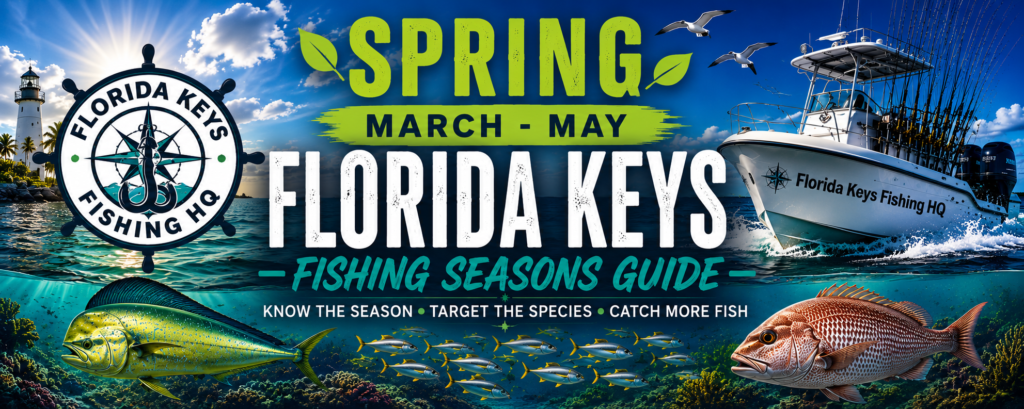
  • Florida Keys Fishing Seasons Guide (2026)

    Introduction

    One of the biggest questions anglers ask before planning a trip is, “What fish are biting right now?” The Florida Keys offer excellent fishing opportunities throughout the year, but certain species are more active during specific seasons.

    This guide breaks down the best times to target some of the most popular game fish in the Florida Keys.

    Spring (March – May)

    Spring is one of the best fishing seasons in the Keys. Water temperatures begin to rise, bait becomes more abundant, and many species become increasingly active.

    Popular spring targets include:

    • Mahi-Mahi
    • Yellowtail Snapper
    • Mangrove Snapper
    • Blackfin Tuna
    • Tarpon
    • Kingfish

    Tarpon fishing begins to heat up during the spring months, especially around bridges and channels throughout the Keys.

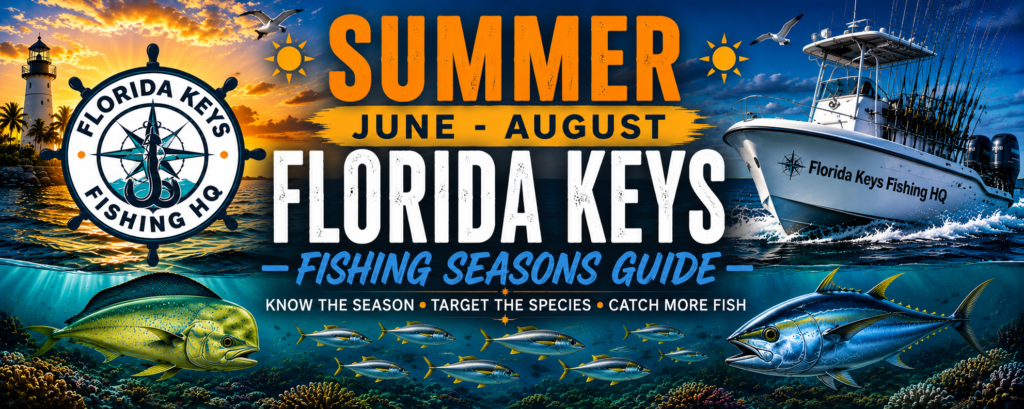
    Summer (June – August)

    Summer offers excellent offshore fishing opportunities. Calm seas and warm water bring a variety of pelagic species within range.

    Popular summer targets include:

    • Mahi-Mahi
    • Blackfin Tuna
    • Wahoo
    • Yellowtail Snapper
    • Mangrove Snapper
    • Mutton Snapper

    Many anglers also target deep-water species such as snowy grouper and tilefish during the summer when weather conditions allow for long offshore runs.

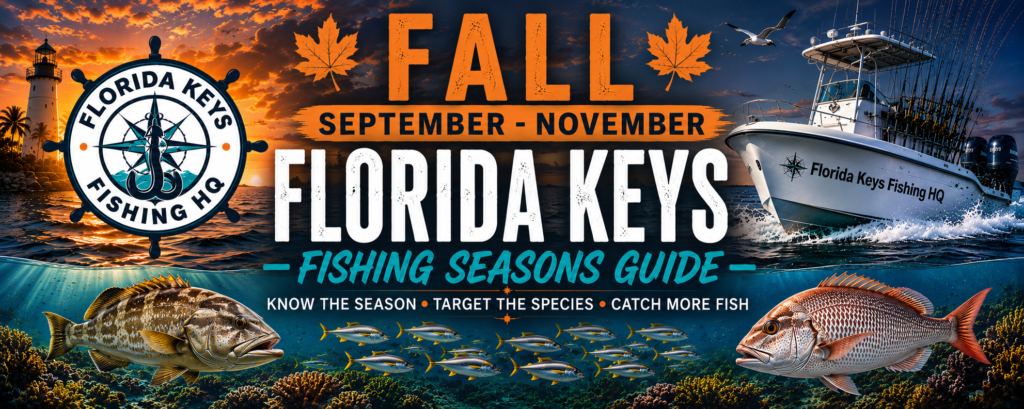
    Fall (September – November)

    Fall is often overlooked but can provide outstanding fishing with less boat traffic.

    Popular fall targets include:

    • Mangrove Snapper
    • Grouper
    • Kingfish
    • Blackfin Tuna
    • Yellowtail Snapper

    Cooling water temperatures often trigger increased feeding activity among reef and offshore species.

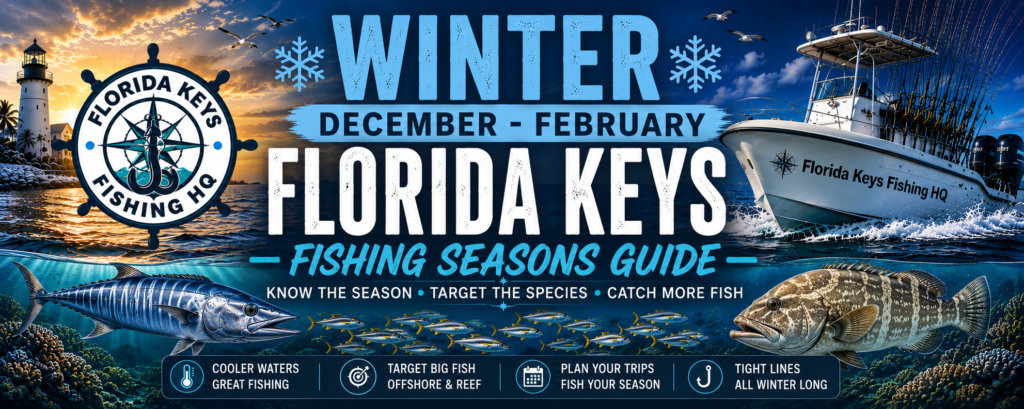
    Winter (December – February)

    Winter brings cooler temperatures and some of the best reef fishing of the year.

    Popular winter targets include:

    • Yellowtail Snapper
    • Mangrove Snapper
    • Grouper
    • Mackerel
    • Sailfish
    • Blackfin Tuna

    Cold fronts can create excellent opportunities for sailfish along the reef edge.

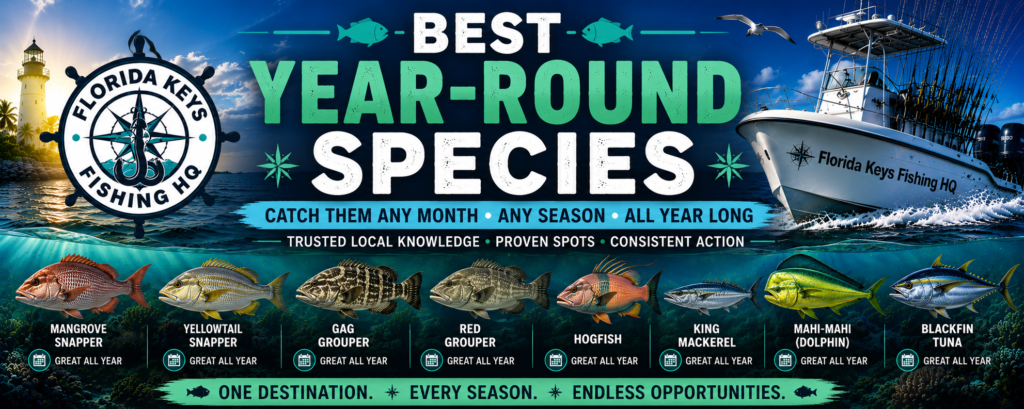
    Best Year-Round Species

    Several species can be caught throughout most of the year in the Florida Keys:

    Mangrove Snapper

    Mangrove snapper are one of the most reliable species in the Keys and can be found around bridges, docks, mangroves, reefs, and wrecks.

    Yellowtail Snapper

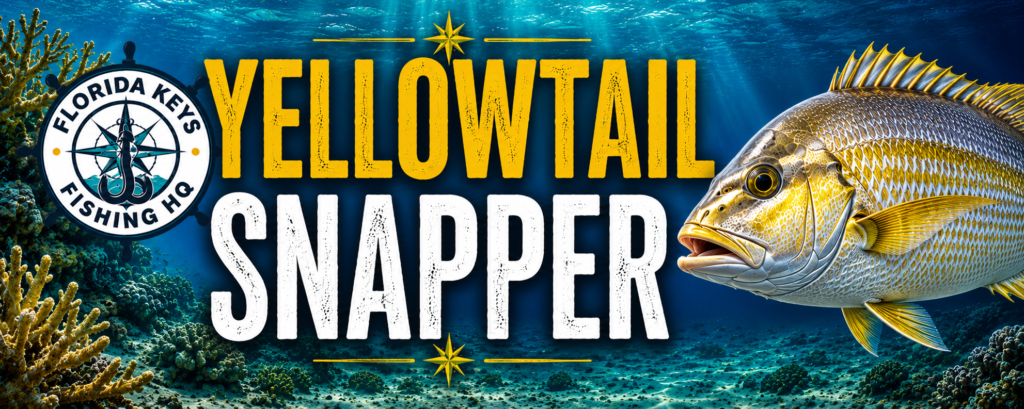
    Yellowtail snapper provide excellent action year-round, especially on patch reefs and offshore reef structures.

    Blackfin Tuna

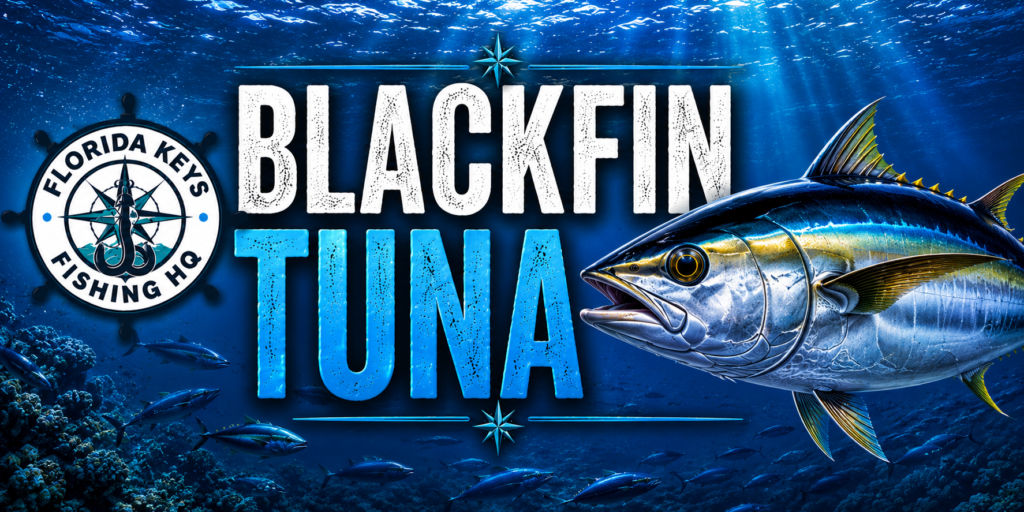
    While peak seasons exist, blackfin tuna can be encountered throughout much of the year depending on water conditions and bait concentrations.

    Final Thoughts

    The Florida Keys provide world-class fishing opportunities during every season. Understanding seasonal patterns can help anglers target the right species at the right time and improve their chances of success.

    Whether you’re fishing bridges, reefs, wrecks, or deep offshore structure, there is always something biting somewhere in the Florida Keys.

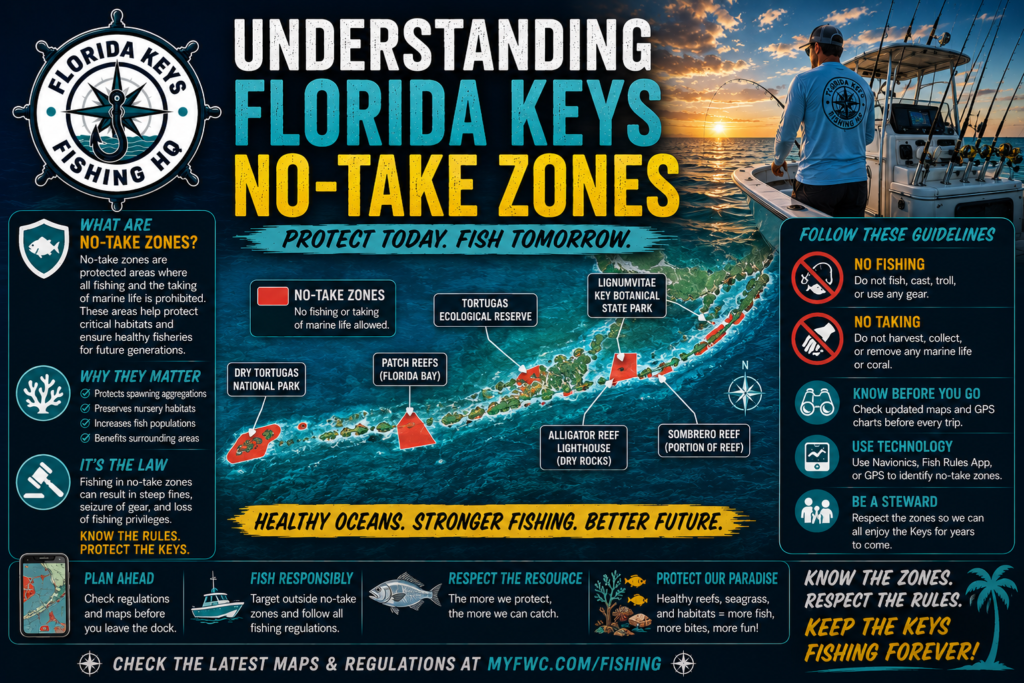
  • Understanding Florida Keys No-Take Zones (2026 Guide)

    Introduction

    No-take zones are among the most misunderstood areas in the Florida Keys.

    Many anglers and spearfishermen know they exist, but are unsure where they are located, what activities are prohibited, and how to identify them before entering the water.

    Understanding no-take zones is essential for protecting marine resources and avoiding costly violations.

    What Is a No-Take Zone?

    A no-take zone is an area where harvesting marine life is prohibited.

    Depending on the specific designation, restrictions may apply to:

    • Fishing
    • Spearfishing
    • Lobstering
    • Collecting marine life
    • Harvesting coral or other protected resources

    The purpose of these zones is to protect sensitive habitats and fish populations.

    Why Do No-Take Zones Exist?

    The Florida Keys contain some of the most unique marine ecosystems in the United States.

    No-take zones help:

    • Protect coral reefs
    • Preserve fish spawning areas
    • Support healthy fish populations
    • Improve long-term fishing opportunities

    These protected areas benefit both recreational anglers and future generations.

    Common Mistakes Anglers Make

    Many violations occur because boaters:

    • Do not verify boundaries before fishing
    • Rely on outdated information
    • Assume nearby waters are legal
    • Fail to review current regulations

    A few minutes of research before leaving the dock can prevent major problems.

    How To Identify No-Take Zones

    Before every trip, review:

    • Official sanctuary maps
    • Current regulations
    • GPS chartplotter information
    • Navigation apps such as Navionics

    Boundaries can change, so always verify current information.

    Frequently Asked Questions

    Can I fish inside a no-take zone?

    No. Harvesting marine life is prohibited.

    Can I spearfish inside a no-take zone?

    No. Spearfishing is prohibited.

    Can I anchor inside a no-take zone?

    Rules vary depending on the specific area. Always review current regulations.

    How do I know if I am inside a no-take zone?

    Use current maps, GPS equipment, and official resources before fishing or diving.

    Final Thoughts

    The Florida Keys provide incredible fishing and diving opportunities, but anglers and divers must understand protected areas before entering the water.

    Taking time to learn no-take zone boundaries will help protect marine resources and ensure your trip remains safe and legal.

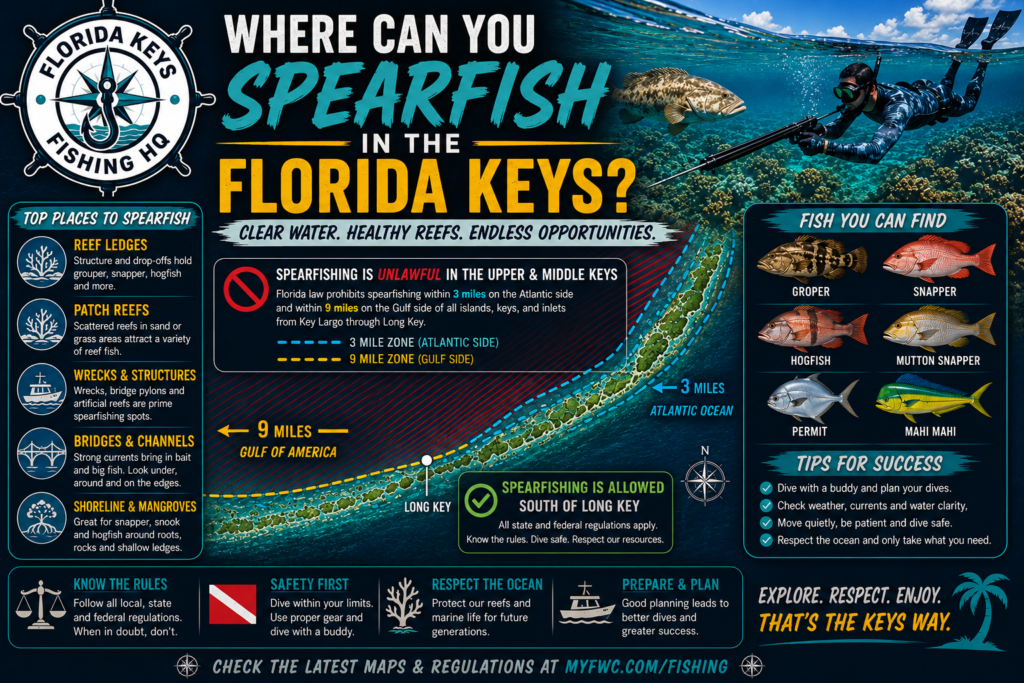
  • Where Can You Spearfish in the Florida Keys? (2026 Guide)

    Introduction

    One of the most common questions visitors ask before a Florida Keys spearfishing trip is simple:

    “Where can I legally spearfish?”

    The answer can be confusing because the Florida Keys contain numerous protected areas, sanctuary preservation areas, ecological reserves, state parks, and no-take zones.

    Understanding where you can and cannot spearfish is essential before entering the water.

    Why So Many People Get Confused

    Many anglers assume that if they are offshore, they can legally spearfish.

    However, certain areas throughout the Florida Keys prohibit spearfishing regardless of distance from shore.

    Protected areas may include:

    • Sanctuary Preservation Areas
    • Ecological Reserves
    • State Parks
    • Research Areas
    • Existing No-Take Zones

    Always verify current regulations before entering the water.

    Areas to Research Before Every Trip

    Before launching your boat, confirm:

    • Current sanctuary boundaries
    • No-take zones
    • State park restrictions
    • Seasonal closures
    • Species regulations

    Taking a few minutes to verify boundaries can prevent costly mistakes.

    Tools That Help

    Several tools can help identify boundaries and protected areas:

    • Official sanctuary maps
    • GPS chartplotters
    • Navionics
    • State and federal agency websites

    Never rely solely on memory when planning a trip.

    Common Questions

    Can I spearfish near mangrove islands?

    It depends on the specific location and whether the area falls within a protected zone.

    Can I spearfish near bridges?

    Certain bridges and nearby waters may have restrictions. Always verify local regulations.

    Can I spearfish in state parks?

    Many state parks prohibit spearfishing.

    Can I spearfish inside no-take zones?

    No. Harvesting marine life is prohibited in no-take zones.

    Final Thoughts

    The Florida Keys offer outstanding spearfishing opportunities, but understanding legal boundaries is critical.

    Before every trip, verify current regulations and protected areas to ensure a safe and legal dive.

  • Florida Keys Spearfishing Regulations Explained (2026 Guide)

    Introduction

    If you’re planning a spearfishing trip to the Florida Keys, understanding the regulations is just as important as finding fish. Every year divers unknowingly enter protected areas or target prohibited species, resulting in fines and ruined trips.

    This guide provides an overview of Florida Keys spearfishing regulations and highlights some of the most common mistakes visitors make.

    Can You Spearfish in the Florida Keys?

    Yes. Spearfishing is legal in many areas of the Florida Keys, but numerous restrictions apply depending on your location and the species you’re targeting.

    The biggest mistake new divers make is assuming that if they’re in the water, they can legally spear fish. In reality, there are sanctuary preservation areas, ecological reserves, state parks, and other protected zones where spearfishing is prohibited.

    Always verify the current regulations before entering the water.

    Common Areas Where Spearfishing Is Prohibited

    Protected areas may include:

    • Sanctuary Preservation Areas (SPAs)
    • Ecological Reserves
    • Certain State Parks
    • Research-Only Areas
    • Existing No-Take Zones

    Before every trip, review the latest official maps and regulations.

    Common Questions I Hear

    • Can I spearfish here?
    • How do I know if I’m in a no-take zone?
    • What fish can I legally spear?
    • How far offshore do I need to be?
    • Do I need a dive flag?

    These are some of the most common questions anglers and divers ask before entering the water.

    Final Thoughts

    The Florida Keys offer some of the best spearfishing opportunities in the United States. Understanding the regulations will help you stay legal, avoid protected areas, and enjoy a successful trip.

    Before every dive, review the latest regulations from the appropriate Florida and federal agencies because rules, seasons, and closures can change.

    ,