Florida Keys Fishing Tackle Checklist: Everything You Need
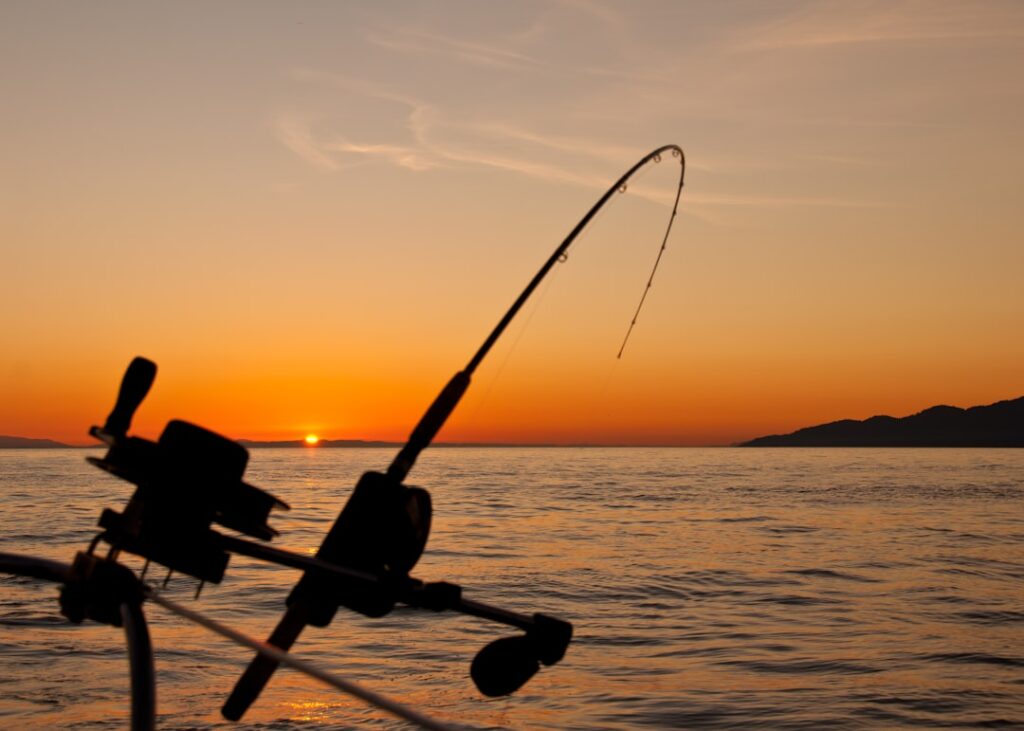
There is no reason to haul half a tackle shop to the Florida Keys. The better approach is to pack a small group of versatile setups, then carry enough terminal tackle to adjust for clear water, ripping current, bridge pilings, reef fishing and whatever unexpected fish decides to eat your bait.
Boat anglers should also dial in their electronics before heading offshore. Our Florida Keys fish finder guide covers CHIRP, side imaging, mapping and transducer choices.
Disclosure: This page may contain affiliate links. If you buy through one of our links, Florida Keys Fishing HQ may earn a commission at no additional cost to you.
Related Florida Keys Gear Guides
- Fishing Line, Leaders & Terminal Tackle
- Best Fish Finders for Florida Keys Fishing
- Best Florida Keys Bridge Fishing Setup
🎣 Shop the Florida Keys Tackle Checklist
Want to build the box without hunting for every item? Start with the proven essentials below, then use the full checklist farther down the page to round out your setup. These are our recommended Amazon options for core Florida Keys tackle. Prices and availability can change.
Quick tip: You do not need to buy everything at once. Prioritize line and leader, hooks, swivels, sinkers and the terminal tackle that matches the type of fishing you plan to do.
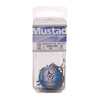
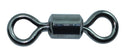
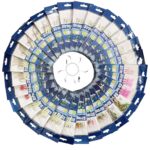
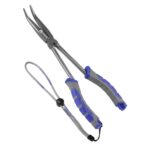
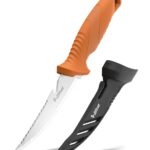
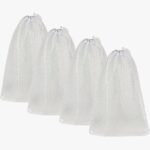
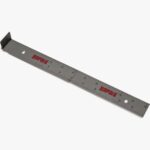
As an Amazon Associate, Florida Keys Fishing HQ may earn from qualifying purchases at no additional cost to you.
The Quick Florida Keys Tackle Checklist
- 7 to 8-foot medium spinning setup
- 7 to 8-foot medium-heavy spinning setup
- 20 to 30 lb braid for general fishing
- 20, 30, 40 and 50 lb fluorocarbon leader
- Circle hooks from roughly 1/0 through 5/0
- Assorted egg sinkers and split shot
- 1/8 to 1/2 oz jig heads
- Small barrel swivels
- Sabiki rigs
- Long-nose pliers and braid cutters
- Dehooking tool
- Bait knife
- Chum bag
- Cast net if you catch your own bait
- Polarized sunglasses
- Headlamp
- Measuring device
- Small waterproof box for licenses/phone
1. Rods and Reels
If we were packing for a Keys trip and wanted to stay simple, we would bring two spinning outfits. A medium setup handles yellowtail, smaller mangroves, live bait and lighter presentations. A medium-heavy outfit handles bridge structure, larger snapper, jacks and heavier current.
Bridge anglers should read our new Florida Keys bridge fishing setup guide for specific rod, reel, braid and leader combinations. Deep-dropping is a completely different animal; start with our best deep-drop rods guide.
2. Braid and Fluorocarbon Leader
Clear Keys water makes leader selection important. A useful compact kit is 20, 30, 40 and 50 lb fluorocarbon plus 20 or 30 lb braid on your general-purpose reels. That lets you scale down when fish get picky or scale up around structure.
For brand and size recommendations, see our line, leader and terminal tackle guide.
3. Hooks
Carry multiple circle-hook sizes instead of one giant pack of a single size. Small baits for snapper need a very different hook than a large live pinfish. Non-stainless circle hooks are also required in several Florida saltwater situations, so always check current FWC gear rules for the species and area you plan to fish.
4. Sinkers, Jig Heads and Swivels
Current changes constantly in the Keys. Carry egg sinkers in several sizes, a few split shot and jig heads from light presentations up through roughly 1/2 oz for bridge and inshore work. The goal is not to use the heaviest weight in the box; use enough to put the bait where the fish are while keeping the presentation natural.
5. Live-Bait Gear
- Sabiki rigs
- Small bait rod and reel
- Cast net where legal and appropriate
- Aerated bait bucket or livewell
- Dehooker for sabiki-caught bait
Our Florida Keys live bait guide explains where and how to find common baitfish instead of buying bait every morning.
6. Chumming Gear
A mesh chum bag and frozen block chum earn their space in the cooler, especially when targeting yellowtail and other reef fish. Carry spare cord for the chum bag. Losing a perfectly good chum bag because the cheap rope broke is an impressively annoying way to donate money to the ocean.
7. Tools You Will Actually Use
- Saltwater-resistant pliers
- Dedicated braid scissors or cutters
- Long-handled dehooking tool
- Bait knife
- Hook sharpener
- Small towel
- Measuring device
- Headlamp plus spare batteries
8. Safety and Comfort Gear
Polarized glasses help you see fish and structure, but they are also eye protection from hooks. Add sunscreen, water, a hat, basic first-aid supplies and a waterproof phone pouch. Bridge anglers should be especially careful around traffic, slippery surfaces and strong current.
9. Species-Specific Add-Ons
Do not make the general tackle bag carry every specialty item. Build small add-on boxes for the fishing you actually plan to do. Mangrove snapper anglers can start with our knocker rig guide. Yellowtail anglers should check our yellowtail snapper guide. Offshore anglers can use our mahi trolling lure guide.
10. What Not to Overpack
You probably do not need six nearly identical spinning rods, twenty lure colors or every sinker ever cast from lead. Put the money into dependable reels, quality line, fluorocarbon, sharp hooks and the terminal tackle you lose regularly. Then tailor the specialty gear to the exact fishing you plan to do.
Before You Leave the Dock or Hotel
- Check current Florida fishing regulations and closures
- Verify your fishing license requirements
- Retie questionable leaders
- Check reel drags
- Charge electronics and lights
- Confirm you have pliers, cutters and a measuring device
- Bring more drinking water than you think you need
For planning the trip itself, our Florida Keys fishing calendar can help match species to the time of year.
The Bottom Line
A good Florida Keys tackle bag is versatile, not enormous. Two dependable spinning outfits, braid, several fluorocarbon sizes, a compact selection of circle hooks and weights, bait-catching gear and good tools cover an impressive amount of fishing. Build from there as you decide whether bridge fishing, reef fishing, trolling or deep dropping is getting most of your time.
Keep planning: Use our Florida Keys Fishing Calendar to decide what to target, then open the Interactive Fishing Map to start narrowing down where to fish.