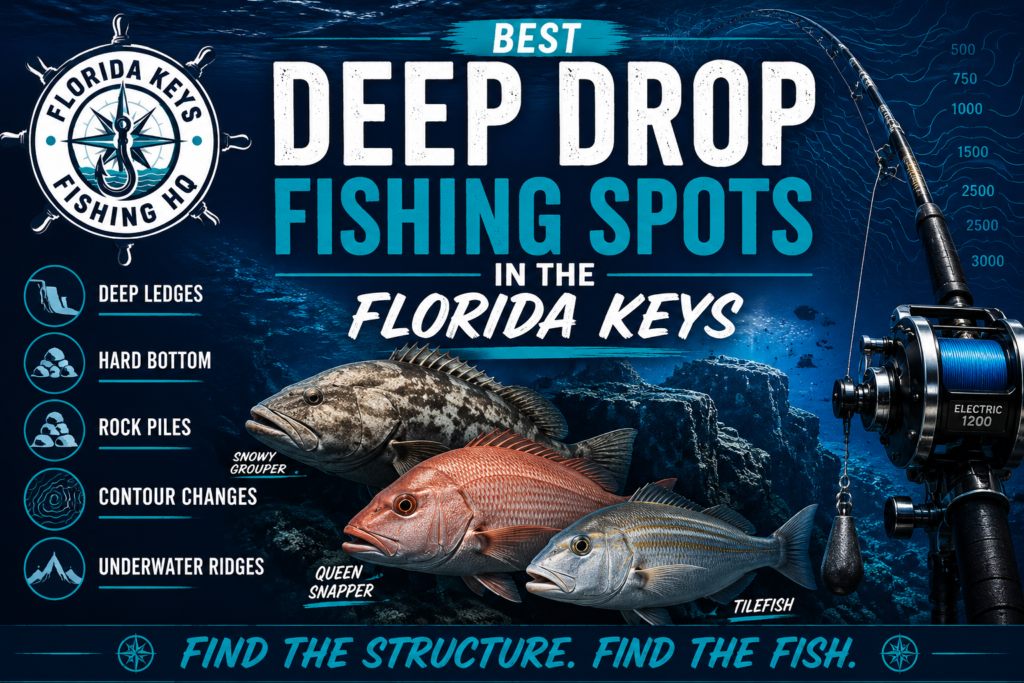
Category: Deep Drop Fishing

  • Queen Snapper Fishing in the Florida Keys (2026 Guide)

    Introduction

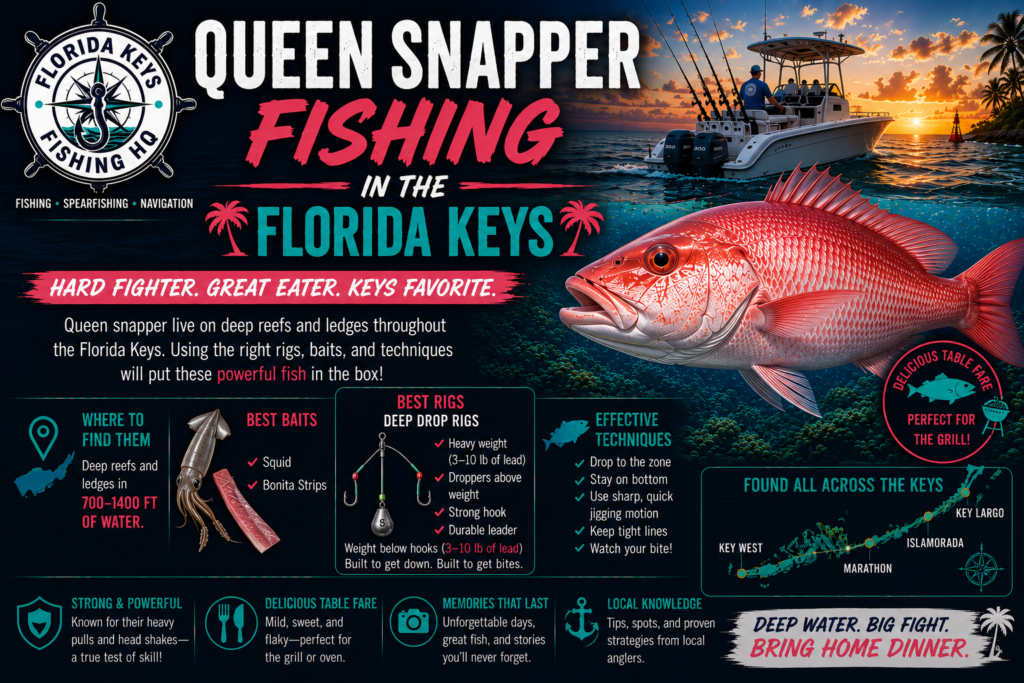
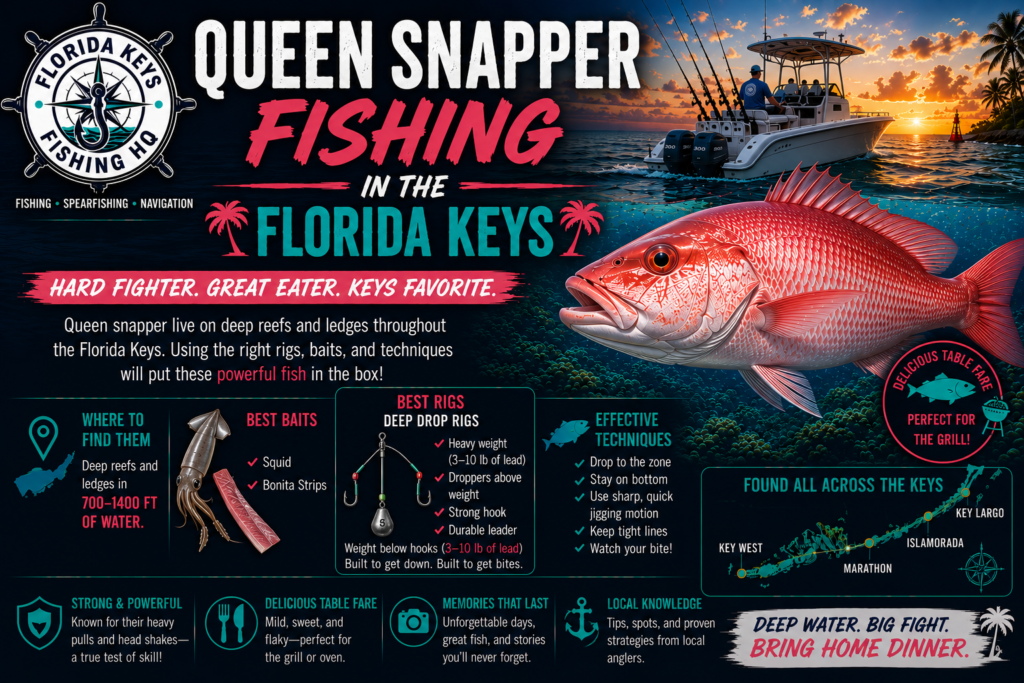
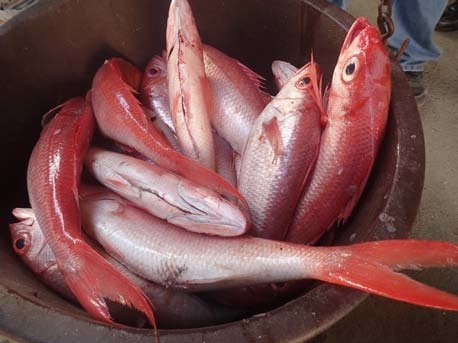
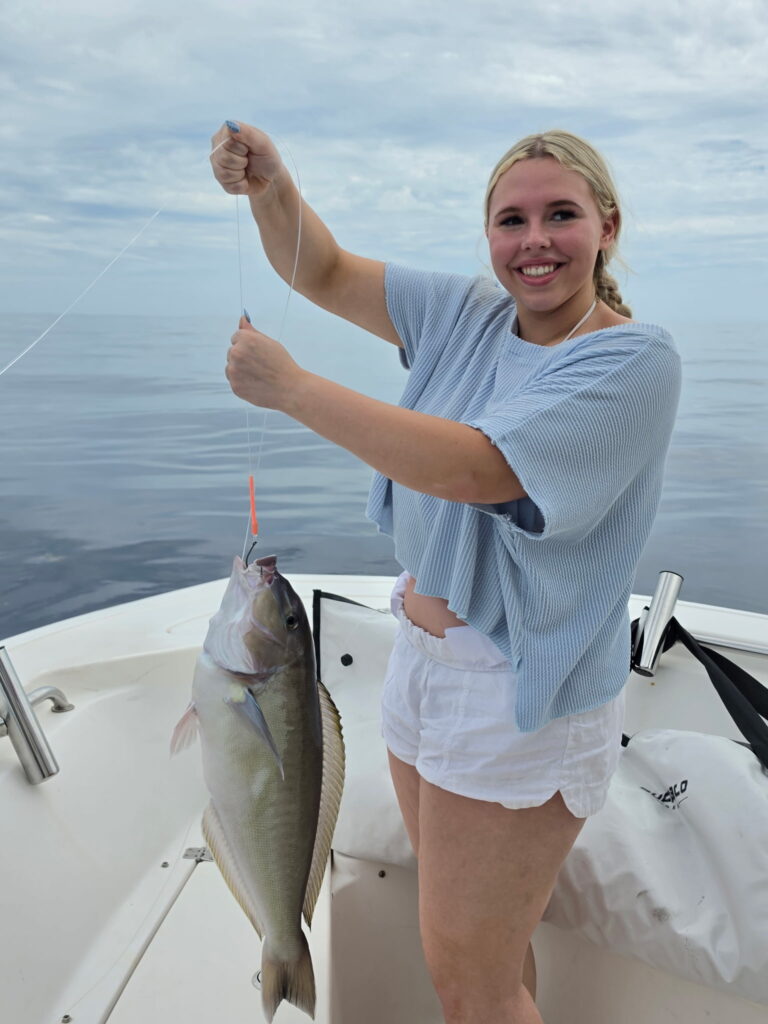
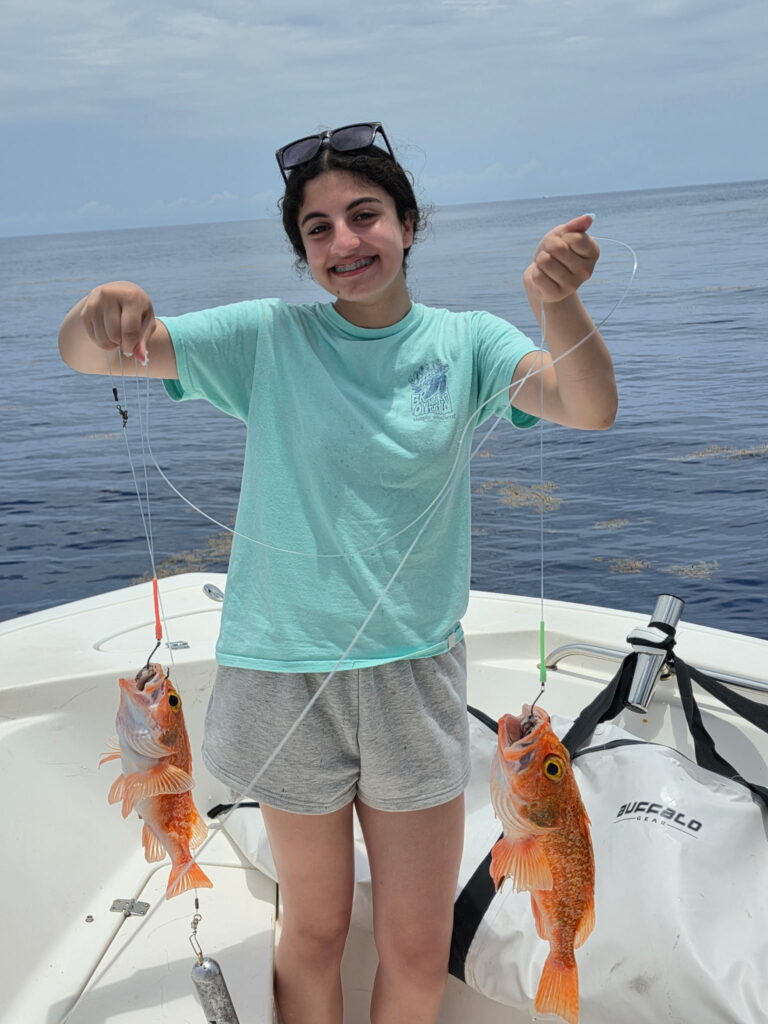
    Queen snapper are one of the most colorful and highly prized deep-water fish found in the Florida Keys. Living in depths ranging from 600 to over 1,500 feet, these beautiful red and orange fish are a favorite target for deep-drop anglers looking to bring home excellent table fare.

    Although not as commonly caught as snowy grouper or tilefish, anglers targeting productive deep-water structure can encounter impressive queen snapper throughout the Keys.

    Where to Find Queen Snapper in the Florida Keys

    Queen snapper are typically found on:

    • Deep ledges
    • Drop-offs
    • Rocky bottom structure
    • Submarine canyons
    • Deep contour changes

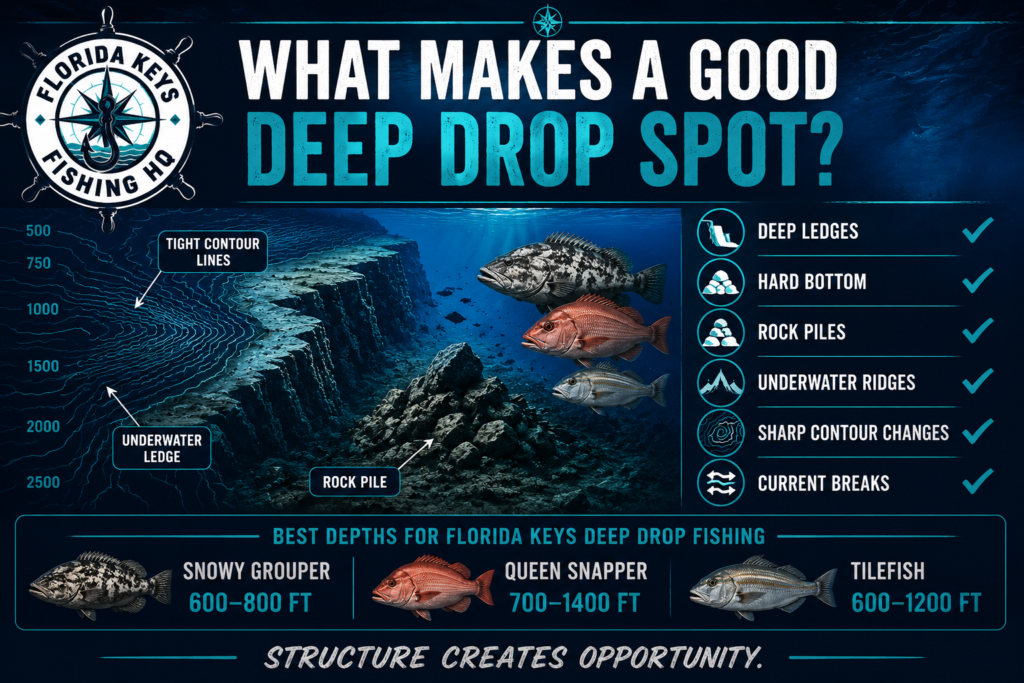
    Most successful catches occur in:

    • 700 to 1,400 feet of water
    • Areas with significant depth changes
    • Hard bottom surrounded by softer bottom
    • Deep offshore structure along the edge of the Florida Straits

    Many anglers discover productive queen snapper areas while targeting snowy grouper and tilefish.

    Best Depth for Queen Snapper

    The most productive depths are usually:

    • 700–1,000 feet during cooler months
    • 900–1,500 feet during warmer months

    Current strength often determines where fish will hold on a particular day.

    How to Find Queen Snapper

    Using modern electronics and charting software is critical.

    Look for:

    • Sharp contour changes
    • Ledges
    • Isolated hard-bottom areas
    • Deep ridges
    • Areas holding bait schools

    Many experienced anglers use Navionics and side-by-side sonar mapping to identify productive deep-water structure.

    Best Rig for Queen Snapper

    A standard deep-drop chicken rig works extremely well.

    Recommended Setup

    • 100–150 lb monofilament leader
    • Three-hook chicken rig
    • 8/0 to 10/0 circle hooks
    • Glow beads
    • Glow tubing
    • 5–10 lb sinker depending on current

    Glow components are especially effective in the depths where queen snapper live.

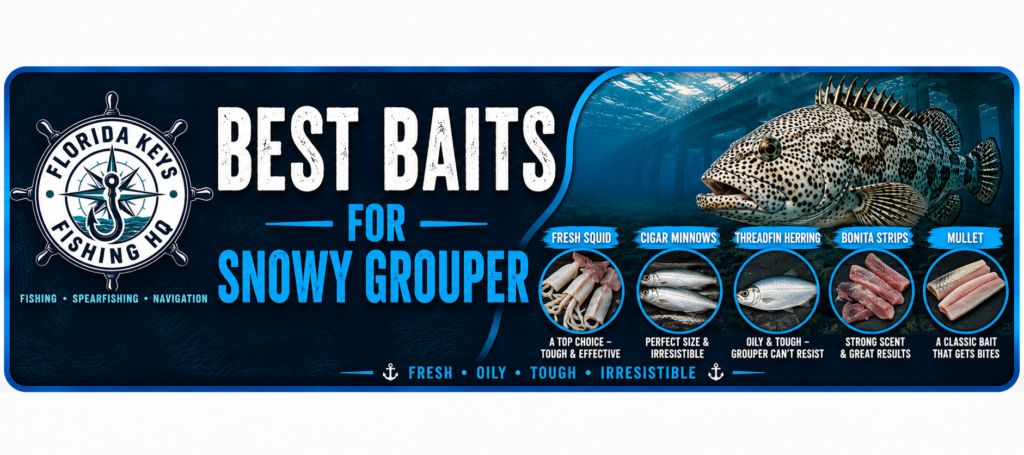
    Best Baits for Queen Snapper

    Top producers include:

    • Squid
    • Bonito strips
    • Tuna belly
    • Barracuda strips
    • Fresh fish chunks
    • Mackerel strips

    Fresh bait generally produces better results than frozen bait.

    Best Time to Catch Queen Snapper

    Queen snapper can be caught year-round.

    Fishing is often best when:

    • Current is manageable
    • Seas are calm
    • Water clarity is good

    Winter and spring often provide some of the most favorable deep-drop conditions.

    Electric Reels and Deep Dropping

    Most anglers use electric reels when targeting queen snapper due to the extreme depths involved.

    Popular choices include:

    • Daiwa Tanacom
    • Banax Kaigen
    • Shimano Beastmaster

    Electric reels allow anglers to fish more efficiently and spend more time with baits on the bottom.

    Why Queen Snapper Are Special

    Queen snapper are highly valued because they:

    • Have excellent table fare
    • Fight surprisingly hard from deep water
    • Are relatively uncommon
    • Feature beautiful coloration
    • Often school around productive structure

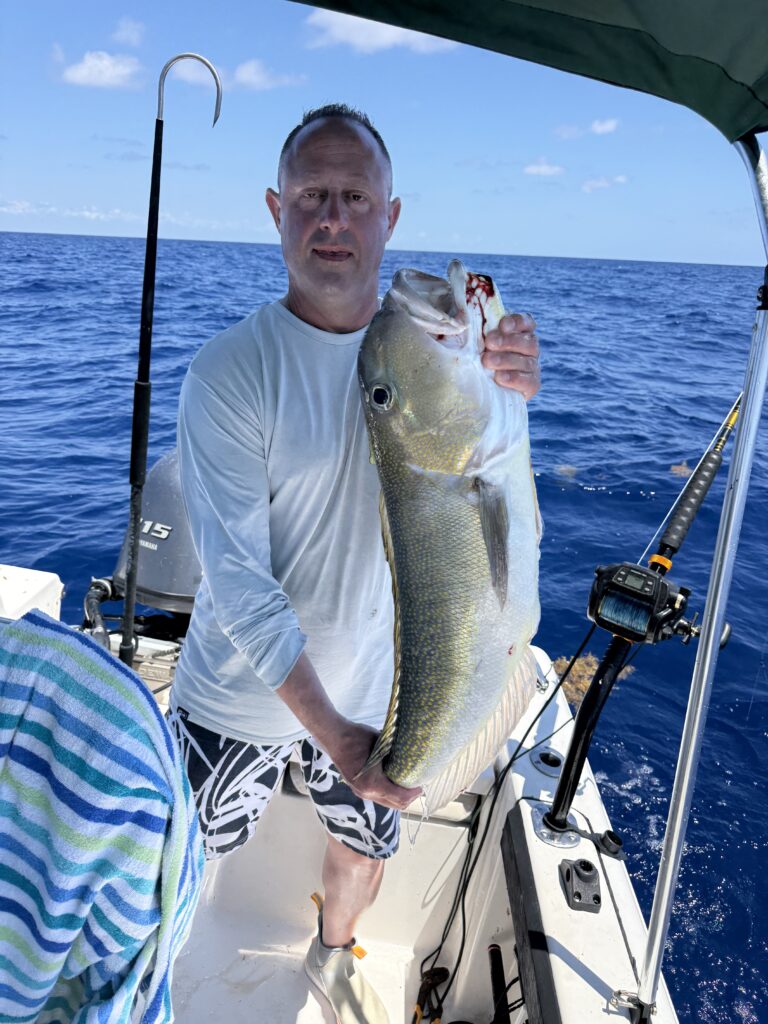
    Many deep-drop fishermen consider a large queen snapper one of the most rewarding catches in the Florida Keys.

    Common Mistakes

    Many anglers fail to catch queen snapper because they:

    • Fish too shallow
    • Use sinkers that are too light
    • Ignore contour changes
    • Drift too quickly
    • Fail to keep rigs vertical

    Success often comes from carefully targeting deep structure and maintaining excellent bottom contact.

    Final Thoughts

    Queen snapper are one of the hidden gems of Florida Keys deep-drop fishing. Anglers willing to fish depths of 700 to 1,500 feet can encounter these beautiful fish while targeting snowy grouper, tilefish, and other deep-water species. By focusing on productive structure, using quality electronics, and presenting fresh bait with properly rigged deep-drop tackle, anglers can consistently add queen snapper to their catch.

    Related Deep Drop Fishing Articles

    Looking to improve your deep drop fishing success in the Florida Keys? Be sure to check out these related guides:

    Combining quality electronics, productive structure, fresh bait, and properly rigged tackle can dramatically improve your success when targeting queen snapper and other deep-water fish in the Florida Keys.

  • Deep Drop Fishing Rigs Explained (2026 Guide)

    Introduction

    Deep drop fishing has become one of the most productive offshore fishing methods in the Florida Keys. Whether targeting snowy grouper, yellowedge grouper, black belly rosefish, queen snapper, golden tilefish, or barrelfish, having the correct rig can make the difference between a full fish box and a long ride home.

    This guide explains the most effective deep drop rigs used by experienced Florida Keys anglers and how to rig them properly.

    What Is a Deep Drop Rig?

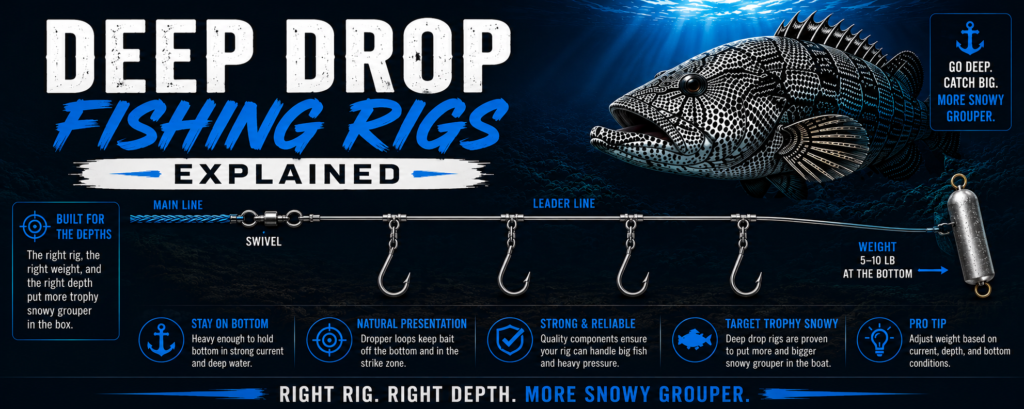
    A deep drop rig is a specialized fishing rig designed to present bait in depths ranging from 500 to over 2,000 feet.

    Deep drop rigs are built to:

    • Handle extreme depths
    • Resist current
    • Keep baits separated
    • Minimize tangles
    • Land large deep-water fish

    Most deep drop rigs use multiple hooks to increase the chances of locating active fish.

    Basic Deep Drop Rig Components

    A typical deep drop setup includes:

    • 80-100 lb braided main line
    • Wind-on leader
    • Heavy monofilament leader
    • Circle hooks
    • Glow beads
    • Glow tubing
    • Weight connection
    • Electric reel

    Strong tackle is critical because fish are often pulled from depths exceeding 1,000 feet.

    Three-Hook Chicken Rig

    The most common deep drop rig is the three-hook chicken rig.

    Best For:

    • Snowy grouper
    • Black belly rosefish
    • Queen snapper
    • Yellowedge grouper

    Setup:

    • Three dropper loops
    • 8/0 to 12/0 circle hooks
    • 16 to 24 inches between hooks
    • Glow beads above each hook
    • Weight attached at the bottom

    This rig allows multiple baits to be presented throughout the water column.

    Two-Hook Grouper Rig

    Many anglers prefer a two-hook setup when targeting larger grouper.

    Best For:

    • Snowy grouper
    • Warsaw grouper
    • Yellowedge grouper

    Advantages:

    • Fewer tangles
    • Larger bait presentation
    • Easier fish handling
    • Stronger leader system

    Many experienced deep droppers switch to two hooks once fish are located.

    Tilefish Rig

    Tilefish often stay tight to the bottom.

    Best For:

    • Golden tilefish
    • Blueline tilefish

    Setup:

    • Two hooks positioned close to the sinker
    • Fresh squid strips
    • Glow beads
    • Heavy sinker

    Keeping baits near the bottom dramatically improves tilefish catches.

    Glow Beads and Lights

    Deep-water fish live in near darkness.

    Popular attractors include:

    • Glow beads
    • Glow tubing
    • Battery-powered deep drop lights
    • UV-enhanced skirts

    Many successful anglers believe glow attractors significantly increase bites.

    Best Hooks for Deep Drop Fishing

    Circle hooks are preferred because:

    • Better hook-up ratio
    • Reduced gut hooking
    • Required in many fisheries
    • Easier release of unwanted fish

    Popular sizes:

    • 8/0 circle hooks
    • 10/0 circle hooks
    • 12/0 circle hooks

    Hook size should match the target species and bait size.

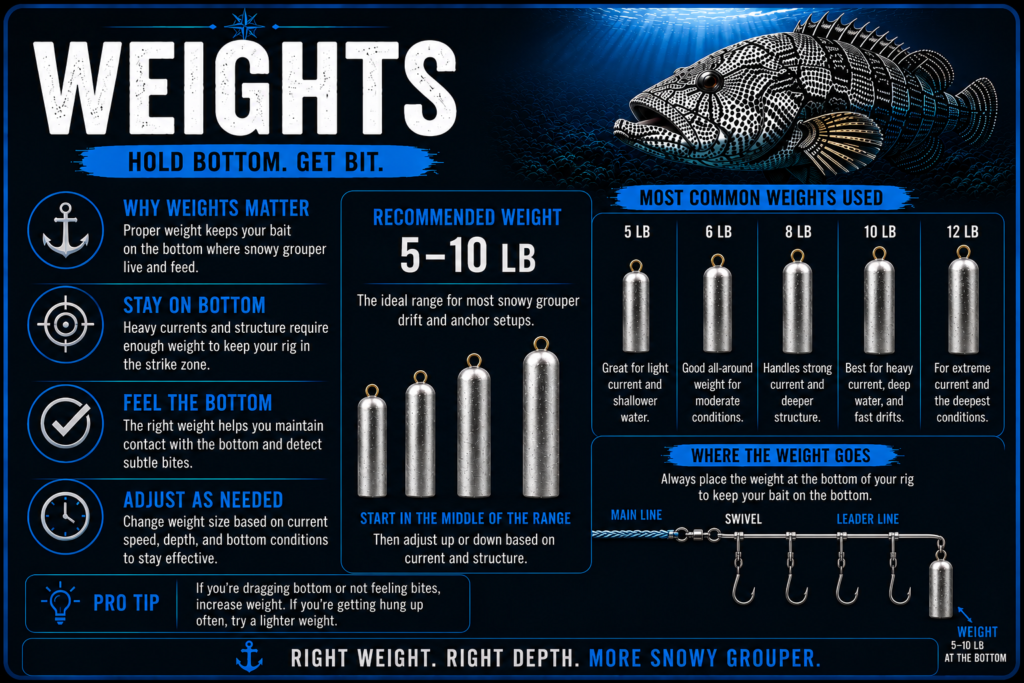
    Choosing the Right Weight

    Current determines sinker size more than depth.

    Common sinker weights:

    • 3 lbs: Light current
    • 5 lbs: Moderate current
    • 8 lbs: Strong current
    • 10+ lbs: Gulf Stream conditions

    The goal is to keep the rig as vertical as possible.

    Best Deep Drop Baits

    Top-performing baits include:

    • Squid
    • Bonito strips
    • Barracuda strips
    • Mackerel strips
    • Fresh tuna belly
    • Dolphin belly

    Fresh bait typically outperforms frozen bait.

    Common Deep Drop Mistakes

    Many beginners:

    • Use sinkers that are too light
    • Fish with excessive line angle
    • Overcrowd rigs with too many hooks
    • Ignore current direction
    • Use dull hooks

    Simple rigs often outperform complicated ones.

    Final Thoughts

    Deep drop fishing is one of the most productive offshore techniques in the Florida Keys. Whether targeting snowy grouper in 800 feet or tilefish in 1,500 feet, choosing the correct rig can dramatically improve success. Start with a simple chicken rig, experiment with hook spacing and bait selection, and adjust sinker weight to match current conditions.

    The most successful deep drop anglers focus on keeping their rigs vertical, using fresh bait, and fishing productive bottom structure.

  • Swordfish Fishing in the Florida Keys (2026 Guide)

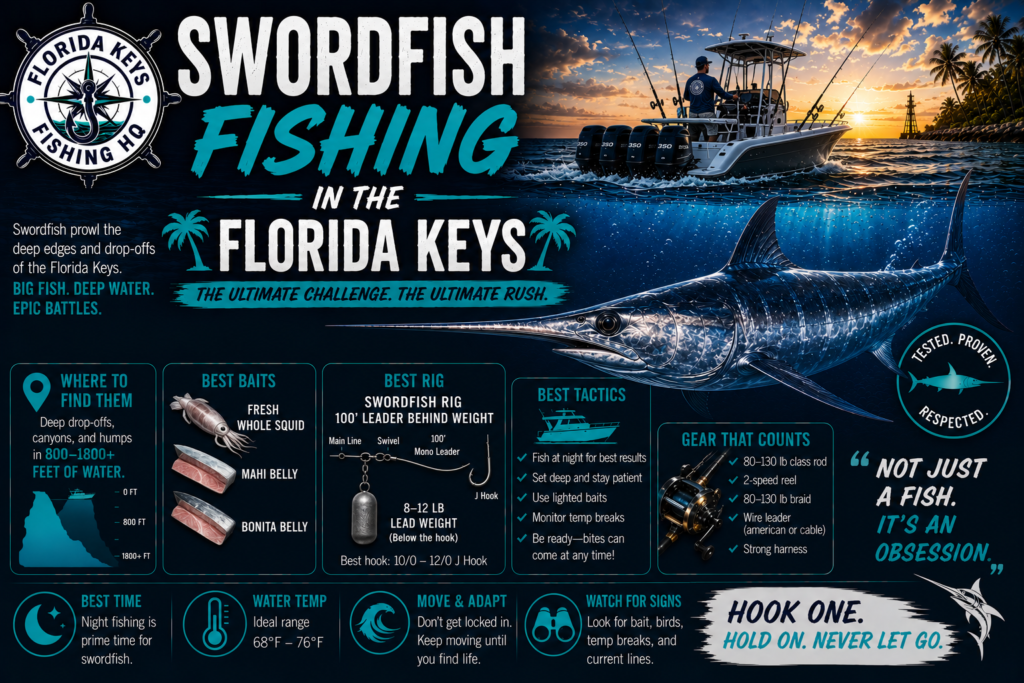
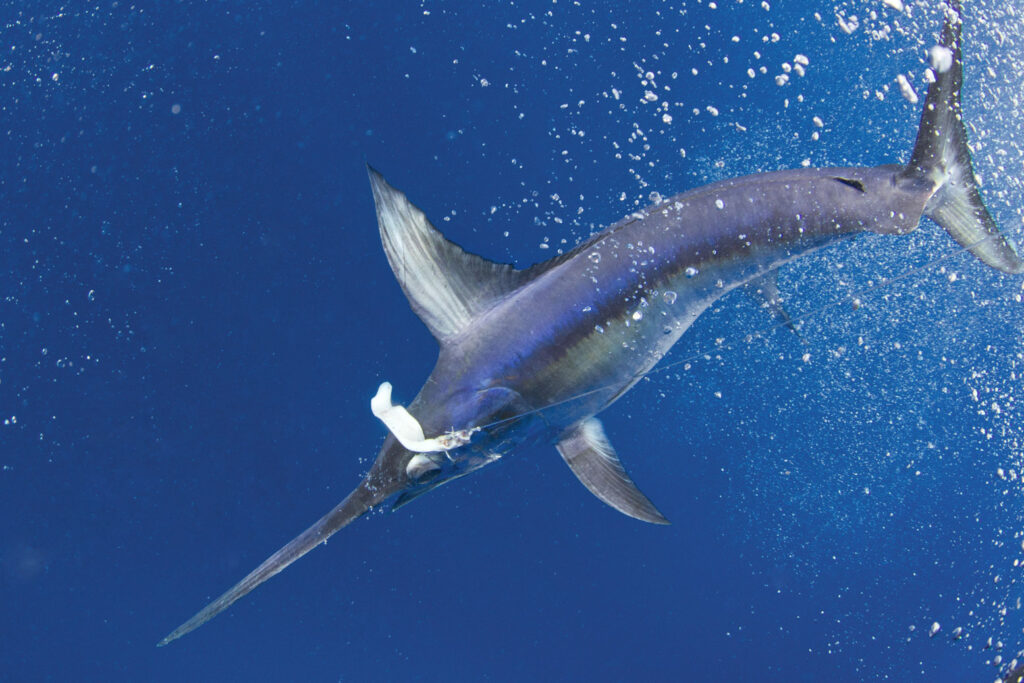
    Swordfish are one of the most sought-after offshore gamefish in the Florida Keys. Known for their incredible size, powerful fights, and outstanding table fare, swordfish have become a favorite target for anglers willing to fish deep offshore waters.

    Modern deep drop techniques have made daytime swordfishing more productive than ever, allowing anglers to target these fish in depths that often exceed 1,500 feet.

    Where to Find Swordfish

    Swordfish are typically found along the deep-water edge of the Florida Straits offshore of the Florida Keys.

    Productive areas often include:

    • Deep drop-offs
    • Submarine canyons
    • Steep contour changes
    • Areas where depth quickly transitions
    • Current edges along the Gulf Stream

    Many successful anglers focus on deep structure adjacent to extremely deep water.

    Best Depth for Swordfish

    Daytime swordfish are commonly targeted in:

    • 1,200 feet
    • 1,500 feet
    • 1,800 feet
    • 2,000 feet or deeper

    The exact depth can vary depending on water temperature, current, bait concentrations, and seasonal conditions.

    Daytime Swordfishing

    Daytime swordfishing has become one of the most productive methods for targeting swordfish.

    The technique typically involves:

    • Heavy lead weights
    • Large squid baits
    • Deep drop rods
    • Electric reels or heavy conventional reels
    • Precise depth control

    The goal is to present the bait near the bottom during daylight hours when swordfish hold in deep water.

    Nighttime Swordfishing

    At night, swordfish often move much higher in the water column to feed.

    Many anglers drift live or rigged baits near the surface after sunset.

    Popular nighttime baits include:

    • Squid
    • Mackerel
    • Bonito strips
    • Rigged natural baits

    Night fishing can produce excellent results when conditions are favorable.

    Best Bait for Swordfish

    Squid remains one of the most popular swordfish baits.

    Other productive options include:

    • Large squid
    • Bonito belly strips
    • Mackerel
    • Dolphin belly strips
    • Rigged natural baits

    Fresh bait is often preferred because of its scent and durability.

    Best Conditions for Swordfish

    Swordfishing is often best when:

    • Seas are manageable
    • Current is predictable
    • Drift speed remains controlled
    • Weather conditions allow safe offshore travel

    Maintaining proper bait presentation is critical to success.

    Electronics and Navigation

    Modern electronics play a major role in successful swordfishing.

    Tools commonly used include:

    • Navionics charts
    • GPS mapping
    • High-quality sonar
    • Drift tracking systems

    Many anglers rely heavily on contour lines and depth changes when selecting areas to fish.

    Tips for Catching More Swordfish

    • Maintain accurate depth control.
    • Use fresh, quality bait.
    • Monitor drift speed closely.
    • Pay attention to current direction.
    • Mark productive waypoints.
    • Stay focused on deep structure.

    Patience is often required, as swordfish bites can be subtle.

    Common Mistakes

    Many anglers:

    • Fish too high above the target depth.
    • Drift too quickly.
    • Fail to monitor bait position.
    • Ignore productive contour changes.
    • Leave productive areas too soon.

    Successful swordfishing often comes from careful attention to detail.

    Final Thoughts

    Swordfish are among the most challenging and rewarding fish available to Florida Keys anglers. By focusing on deep structure, maintaining precise bait presentation, and using quality equipment, fishermen can dramatically improve their chances of success.

    Whether deep dropping during the day or drifting baits at night, swordfishing remains one of the ultimate offshore challenges in the Florida Keys.

    Interested in other deep-water species? Check out our Tilefish Fishing in the Florida Keys (2026 Guide).

    Learn how to locate productive offshore structure in our How to Read Navionics for Deep Drop Fishing (2026 Guide).

  • Blackbelly Rosefish Fishing in the Florida Keys (2026 Guide)

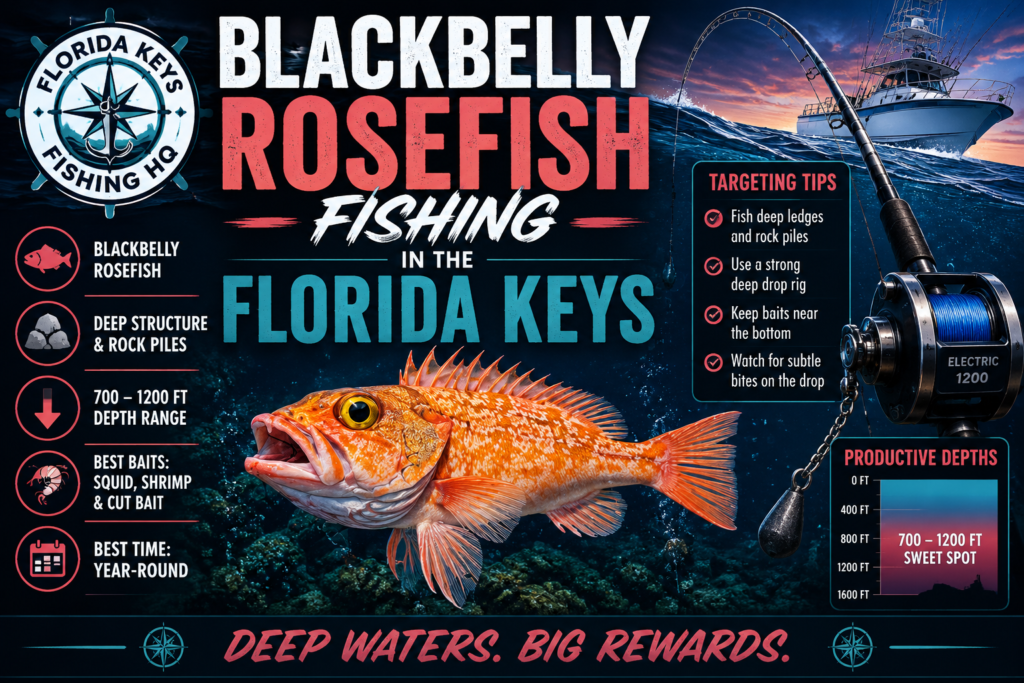
    Blackbelly rosefish are a popular deep-water species found offshore of the Florida Keys. While they do not receive the same attention as snowy grouper or tilefish, they are highly regarded for their excellent table fare and can provide fast action for anglers targeting deep-water structure.

    For offshore fishermen who enjoy deep dropping, blackbelly rosefish are often a welcome addition to the fish box.

    Where to Find Blackbelly Rosefish

    Blackbelly rosefish are typically found on deep offshore structure.

    Productive habitat includes:

    • Deep ledges
    • Rocky bottom
    • Hard-bottom areas
    • Offshore drop-offs
    • Structure adjacent to deep water

    They are commonly associated with the same general areas that hold snowy grouper and other deep-water species.

    Best Depth for Blackbelly Rosefish

    Most blackbelly rosefish are caught between:

    • 500 feet
    • 700 feet
    • 900 feet

    Depth preferences can vary depending on location, current, and bottom structure.

    Many Florida Keys anglers encounter rosefish while targeting snowy grouper and tilefish in deeper water.

    How to Find Blackbelly Rosefish

    Navionics charts and sonar are valuable tools when searching for productive rosefish habitat.

    Look for:

    • Sharp contour changes
    • Bottom ledges
    • Rocky structure
    • Areas where contour lines tighten together
    • Hard bottom surrounded by deeper water

    Marking productive drifts can quickly build a collection of reliable waypoints.

    Best Bait for Blackbelly Rosefish

    Blackbelly rosefish readily feed on natural bait.

    Top choices include:

    • Squid
    • Cut bonito
    • Cut ballyhoo
    • Sardines
    • Mackerel strips

    Fresh bait often produces the best results.

    Because rosefish frequently feed near the bottom, maintaining bait close to structure is important.

    Best Rig for Blackbelly Rosefish

    A standard deep drop rig works well.

    Recommended setup:

    • 80-100 lb braided line
    • Multi-hook deep drop rig
    • Circle hooks
    • Glow beads
    • Glow skirts
    • Heavy sinker

    Many anglers use two-hook or three-hook rigs to increase their chances of multiple fish on a single drop.

    Electric Reels for Deep Dropping

    Due to the depths involved, electric reels are commonly used.

    Popular options include:

    • Daiwa Tanacom
    • Shimano Beastmaster
    • Commercial electric reels

    Electric reels allow anglers to spend more time fishing and less time cranking heavy weights from deep water.

    Best Conditions for Success

    Blackbelly rosefish fishing is often best when:

    • Seas are calm
    • Current is manageable
    • Bottom contact is maintained
    • Drifts remain controlled

    Strong current can make it difficult to stay in the strike zone and effectively present baits.

    Common Mistakes

    Many anglers struggle because they:

    • Fish too high above the bottom
    • Use insufficient weight
    • Fail to identify productive structure
    • Drift too quickly
    • Neglect to save productive waypoints

    Success often comes from repeatedly fishing proven bottom features.

    Final Thoughts

    Blackbelly rosefish are an underrated deep-water species that provide excellent eating and reliable action for Florida Keys anglers. By focusing on deep structure, maintaining bottom contact, and using fresh natural bait, fishermen can consistently catch rosefish while targeting other offshore species.

    For anglers who enjoy deep drop fishing, blackbelly rosefish are a valuable addition to any offshore trip and often share habitat with snowy grouper, tilefish, and other prized deep-water fish.

    Interested in other deep-water species? Read our Tilefish Fishing in the Florida Keys (2026 Guide).

    and

    Learn how to locate productive offshore structure in our How to Read Navionics for Deep Drop Fishing (2026 Guide).

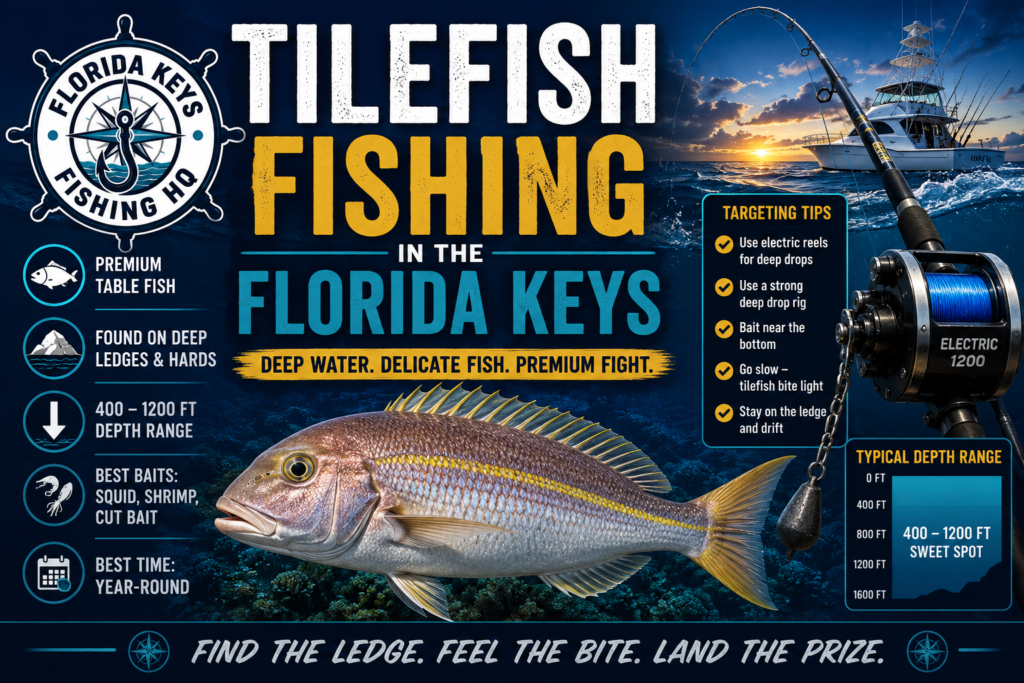
  • Tilefish Fishing in the Florida Keys (2026 Guide)

    Tilefish are one of the most sought-after deep-water species in the Florida Keys. Known for their excellent table fare and unique habitat, tilefish provide anglers with exciting deep drop fishing opportunities in waters far offshore.

    Although targeting tilefish requires specialized equipment and a willingness to fish deep water, the rewards can be well worth the effort.

    Where to Find Tilefish

    Tilefish are typically found in deep offshore waters along the continental slope and deep ledges.

    Productive areas often include:

    • Deep mud bottom
    • Soft bottom adjacent to structure
    • Offshore ledges
    • Submarine canyons
    • Areas with significant depth changes

    Many successful tilefish locations are found well offshore of the Florida Keys.

    Best Depth for Tilefish

    Tilefish are commonly caught in depths ranging from 600 to over 1,200 feet.

    Many Florida Keys anglers focus on:

    • 600 to 800 feet
    • 800 to 1,000 feet
    • 1,000 to 1,200 feet

    Depth preferences can vary depending on current conditions and bottom structure.

    How to Find Tilefish

    One of the best ways to locate tilefish is by studying Navionics charts and identifying:

    • Sharp contour changes
    • Deep ledges
    • Bottom transitions
    • Soft bottom areas near structure

    Many anglers build a collection of productive waypoints over time by marking successful drifts and catches.

    Best Bait for Tilefish

    Tilefish readily feed on a variety of natural baits.

    Popular options include:

    • Squid
    • Cut bonito
    • Cut mackerel
    • Cut ballyhoo
    • Sardines

    Fresh bait generally produces the best results, especially when fishing deep water.

    Best Rig for Tilefish

    A standard deep drop rig often includes:

    • 80-100 lb main line
    • Multiple circle hooks
    • Glow beads or skirts
    • Heavy sinker
    • Electric reel or high-capacity conventional reel

    Many anglers use two-hook or three-hook rigs depending on regulations and target species.

    Electric Reels for Tilefish

    Because of the extreme depths involved, many anglers use electric reels when targeting tilefish.

    Popular options include:

    • Daiwa Tanacom
    • Shimano Beastmaster
    • Commercial-style electric reels

    Electric reels reduce fatigue and allow anglers to spend more time fishing effectively.

    Best Conditions for Tilefish

    Tilefish fishing is often best when:

    • Seas are calm
    • Current is manageable
    • Drifts remain controlled
    • Weather allows safe offshore travel

    Strong current can make it difficult to maintain bottom contact and effectively present baits.

    Common Mistakes

    Many anglers struggle because they:

    • Fail to stay near bottom
    • Use insufficient weight
    • Drift too quickly
    • Ignore chart structure
    • Neglect to mark productive waypoints

    Consistent success often comes from locating productive bottom and repeating successful drifts.

    Final Thoughts

    Tilefish provide some of the best deep-water fishing opportunities available in the Florida Keys. By focusing on productive bottom structure, using quality bait, and maintaining proper bottom contact, anglers can enjoy excellent success targeting these unique fish.

    For offshore fishermen willing to make the run and fish deep water, tilefish remain one of the most rewarding species in the Florida Keys.

    Looking for another deep-water species? Check out our Snowy Grouper Fishing in the Florida Keys (2026 Guide).

    and

    Learn how to locate productive deep-water structure in our How to Read Navionics for Deep Drop Fishing (2026 Guide).

  • How to Read Navionics for Deep Drop Fishing (2026 Guide)

    Introduction

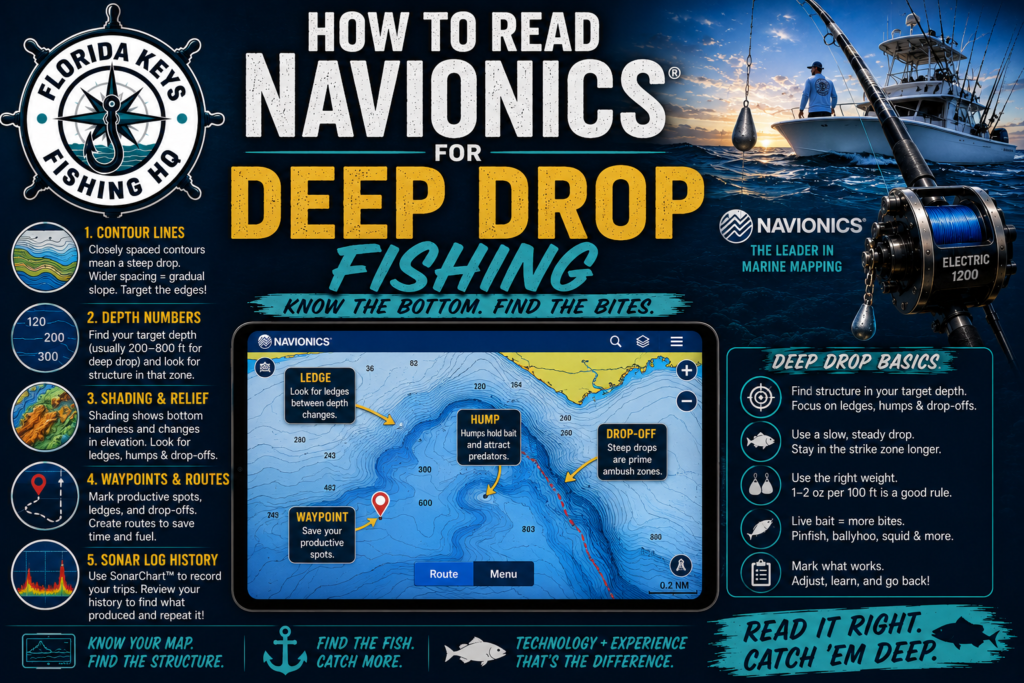
    Finding productive deep drop fishing spots can be one of the biggest challenges for offshore anglers. Fortunately, tools like Navionics make it possible to identify underwater structure, ledges, drop-offs, and contour changes that often hold fish.

    Learning how to read contour lines properly can dramatically improve your success when targeting species such as snowy grouper, tilefish, queen snapper, and other deep-water fish.

    Why Contour Lines Matter

    Contour lines represent changes in water depth. The closer the contour lines are together, the steeper the underwater structure.

    Deep-water species are often found near:

    • Ledges
    • Drop-offs
    • Rock piles
    • Bottom humps
    • Sharp depth changes

    These structures create current breaks and feeding opportunities that attract bait and predator fish.

    Identifying Productive Ledges

    One of the easiest ways to find potential deep drop spots is by locating steep contour changes.

    For example, a depth change from 600 feet to 800 feet over a short distance often indicates a ledge.

    Snowy grouper frequently hold along these edges, especially where current pushes bait across the structure.

    Finding Bottom Humps

    Bottom humps appear on Navionics as isolated areas where the depth becomes shallower before dropping back off.

    These humps can act as feeding stations for deep-water species.

    When examining a chart, look for:

    • Circular contour patterns
    • Isolated high spots
    • Areas surrounded by deeper water

    These locations are often worth saving as waypoints.

    Using Sonar with Navionics

    Navionics helps identify potential structure, but sonar confirms what is actually below the boat.

    After locating a promising ledge or hump on Navionics:

    1. Approach from down-current.
    2. Idle across the structure.
    3. Watch for bait concentrations.
    4. Look for hard bottom returns.
    5. Mark additional waypoints.

    Combining chart data with sonar observations often reveals productive fishing areas that are not obvious from charts alone.

    Best Depths for Snowy Grouper

    In the Florida Keys, snowy grouper are commonly found in depths ranging from 500 to over 1,200 feet.

    Focus on:

    • Ledges
    • Contour breaks
    • Rocky bottom
    • Current-swept structure

    Many productive spots are located where depth changes occur near deep offshore canyons and slope edges.

    Common Mistakes

    Many anglers make the mistake of dropping directly on the deepest water available.

    Instead, focus on structure within that depth range.

    Fish are usually concentrated around features rather than featureless bottom.

    Another mistake is failing to account for current and drift direction. A good structure spot can fish poorly if your drift never passes over the productive area.

    Final Thoughts

    Navionics is one of the most valuable tools available to offshore anglers. By learning how to identify contour changes, ledges, humps, and bottom structure, you can dramatically improve your ability to locate productive deep drop fishing spots.

    Whether targeting snowy grouper, tilefish, or other deep-water species, understanding chart interpretation is a skill that pays dividends on every offshore trip.

    For more deep drop fishing tips, check out our Snowy Grouper Rig Setup (2026 Guide).

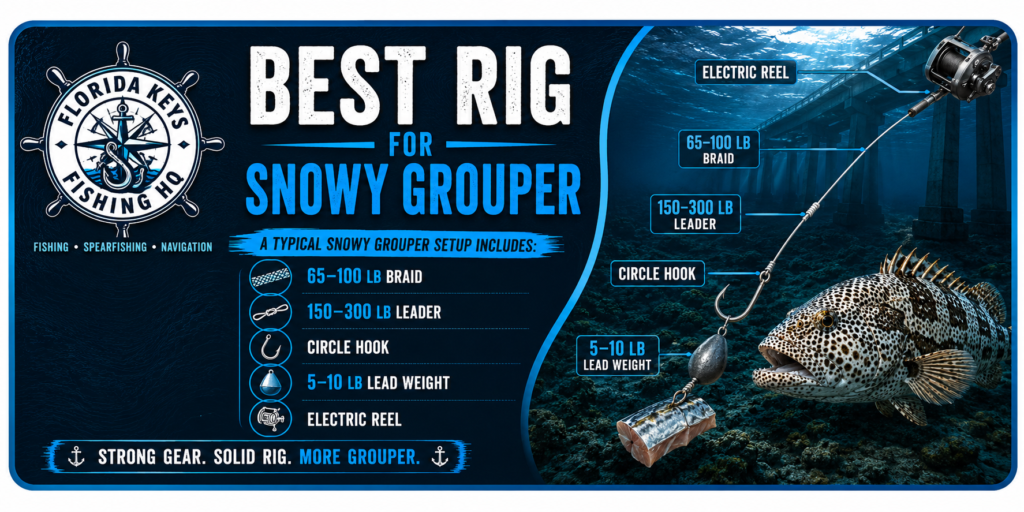
  • Best Snowy Grouper Rig Setup (2026 Guide)

    Introduction

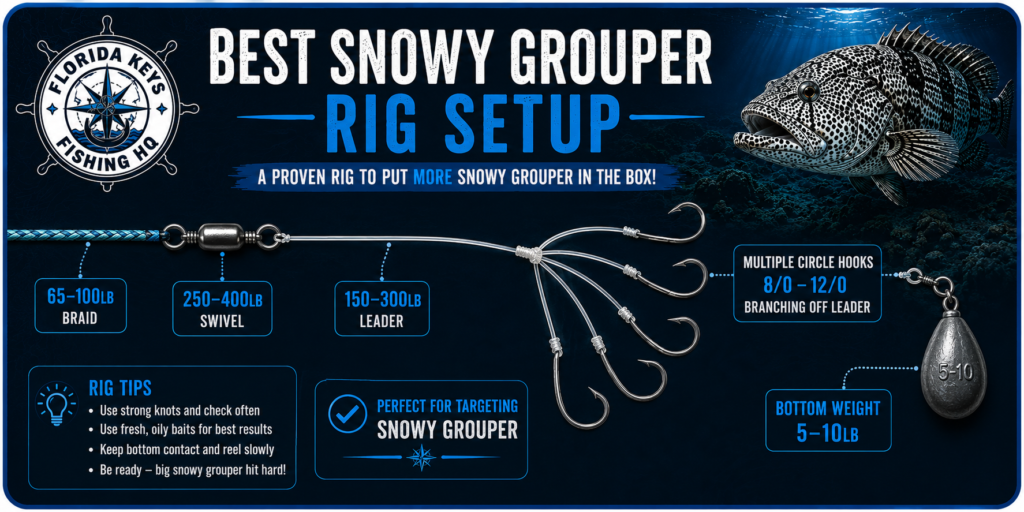
    Having the right rig can make the difference between a successful snowy grouper trip and a frustrating day offshore.

    Because snowy grouper are often targeted in extreme depths, anglers need rigs that can reach the bottom quickly, withstand heavy pressure, and present bait effectively.

    This guide covers the basic components of a productive snowy grouper rig.

    Main Line

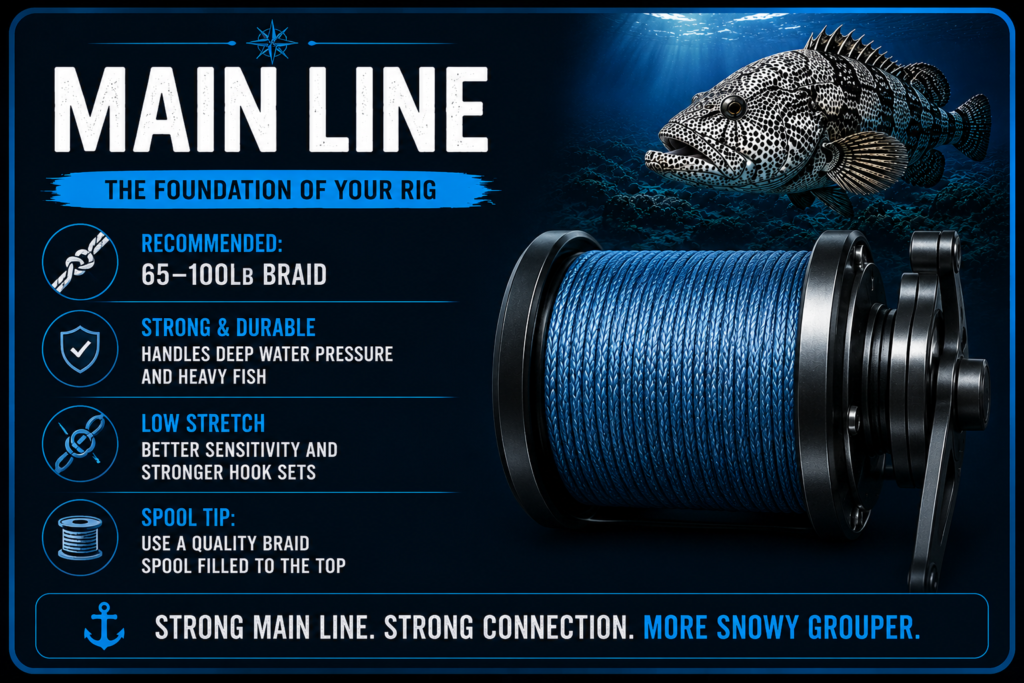
    Most anglers use braided line because of its small diameter and sensitivity.

    Advantages include:

    • Better bite detection
    • Less stretch
    • Improved hooksets
    • Reduced drag in strong current

    Heavy braid is commonly used when fishing extreme depths.

    Leader Material

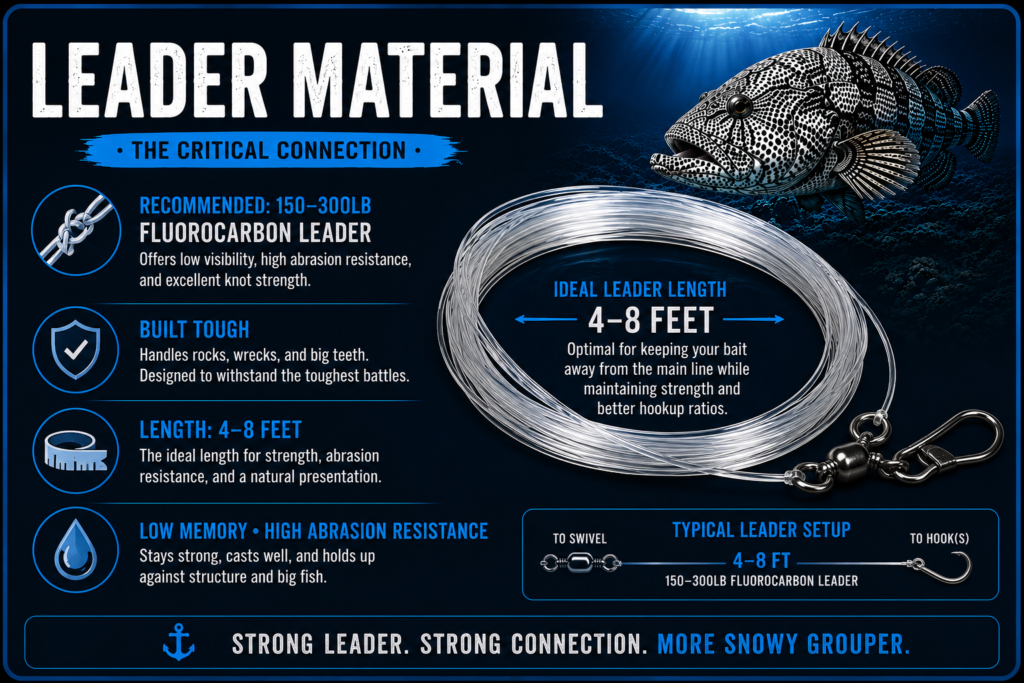
    A strong leader helps withstand abrasion from structure and the fish itself.

    Popular choices include:

    • Monofilament leader
    • Fluorocarbon leader

    Leader size often varies based on depth, current, and target species.

    Hooks

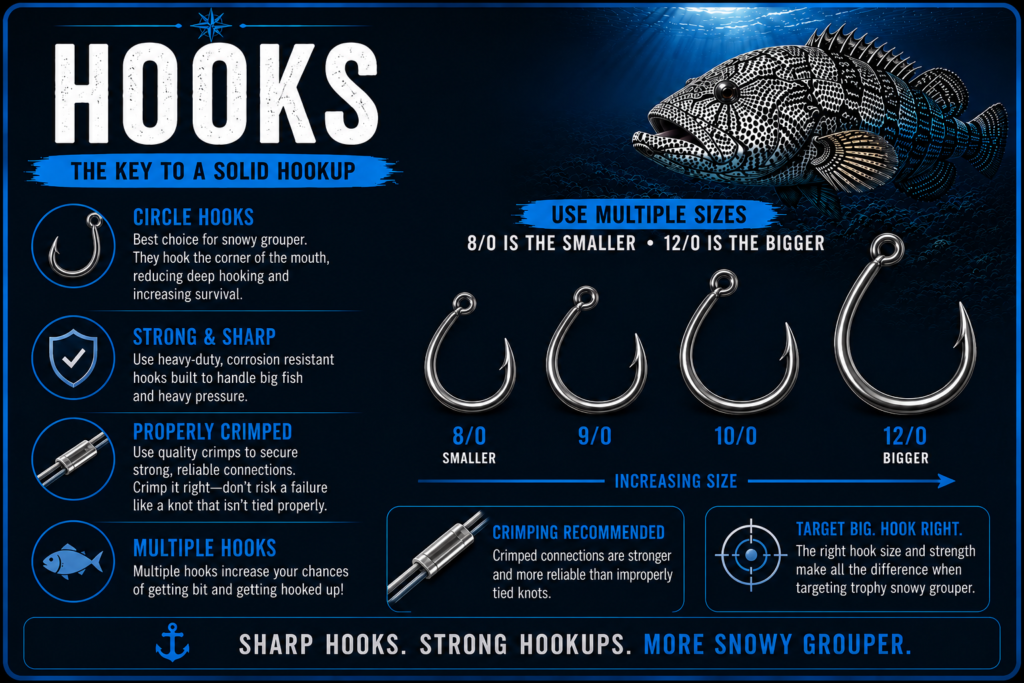
    Circle hooks are a popular choice because they:

    • Improve hookup rates
    • Reduce gut-hooking
    • Hold fish securely during long retrieves

    Strong, high-quality hooks are critical when fishing deep water.

    Weights

    The amount of weight required depends on:

    • Water depth
    • Current speed
    • Drift speed

    Deep-drop anglers frequently adjust weight throughout the day to maintain bottom contact.

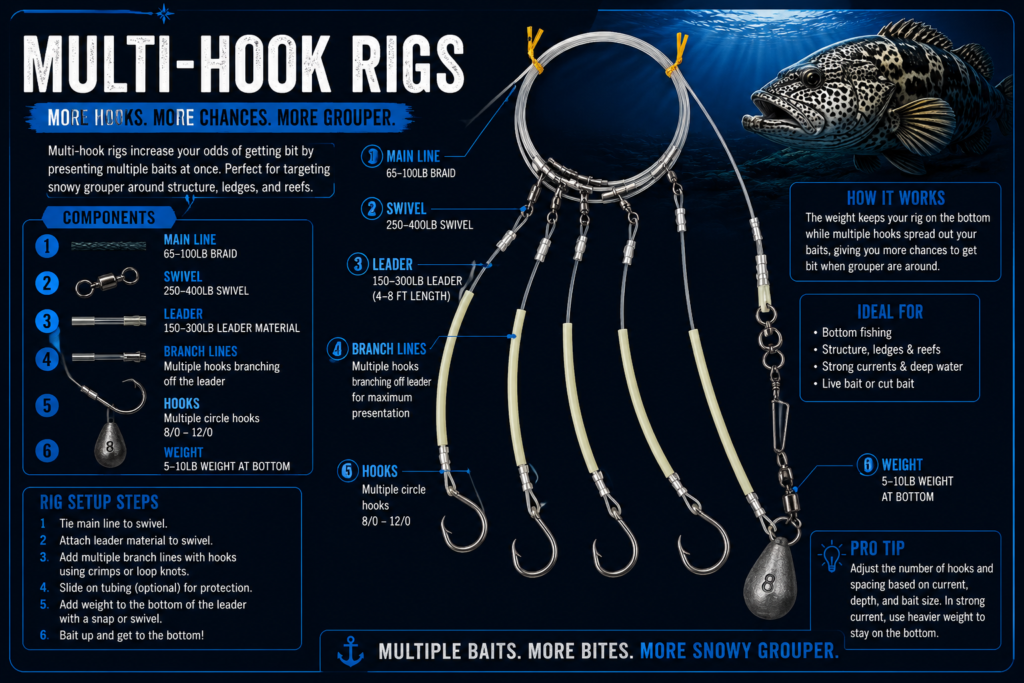
    Multi-Hook Rigs

    Many anglers use multi-hook deep-drop rigs featuring:

    • Multiple dropper loops
    • Glow components
    • Squid skirts
    • LED attractor lights

    These rigs help attract fish in deep, dark water.

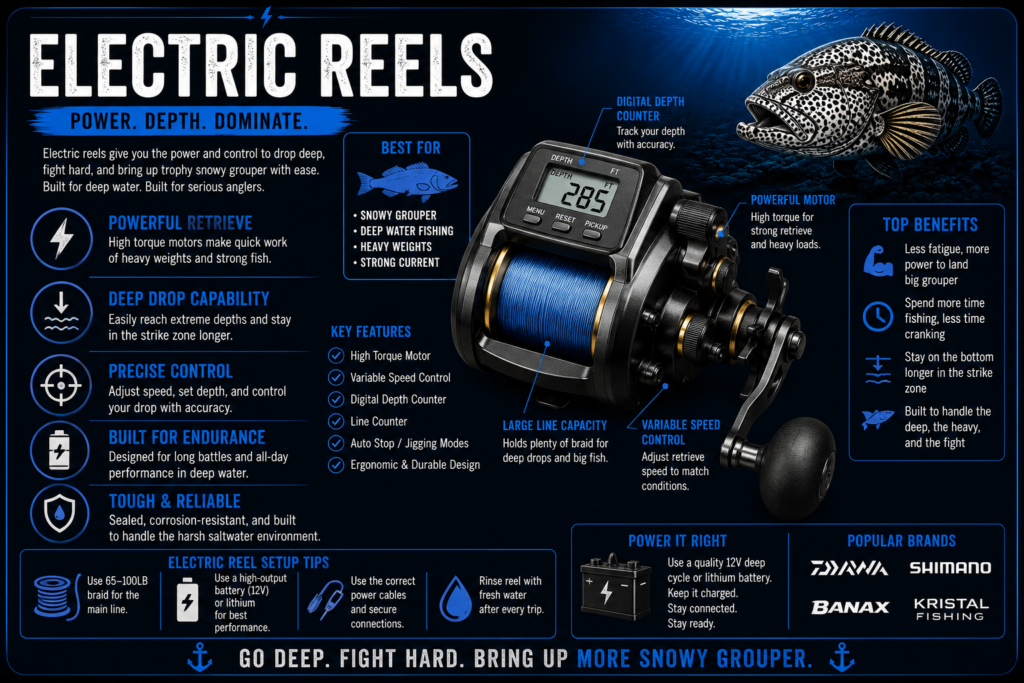
    Electric Reels

    Electric reels have become increasingly popular for deep-drop fishing.

    Benefits include:

    • Less fatigue
    • Faster retrieval
    • More fishing time
    • Improved efficiency in extreme depths

    Many anglers consider electric reels essential when targeting snowy grouper regularly.

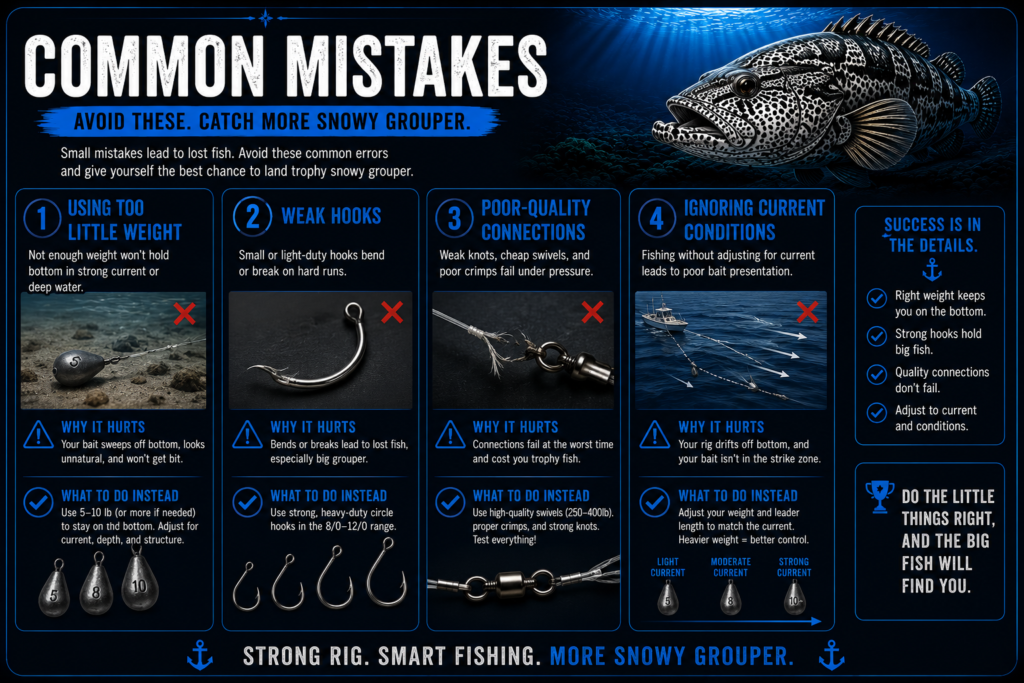
    Common Mistakes

    Avoid:

    • Using too little weight
    • Weak hooks
    • Poor-quality connections
    • Fishing without checking knots
    • Ignoring current conditions

    Small mistakes become major problems when fishing deep water.

    Final Thoughts

    The best snowy grouper rig is one that consistently reaches the bottom, presents bait naturally, and withstands the demands of deep-water fishing.

    Experiment with different rigs and make adjustments based on conditions until you find what works best for your style of fishing.

  • How to Find Snowy Grouper in the Florida Keys (2026 Guide)

    Introduction

    Snowy grouper are one of the most sought-after deep-water species available to Florida Keys anglers.

    Known for their excellent table fare and hard-fighting nature, snowy grouper are typically found in deep water far beyond the reef line.

    Finding them consistently requires understanding depth, bottom structure, currents, and proper deep-drop techniques.

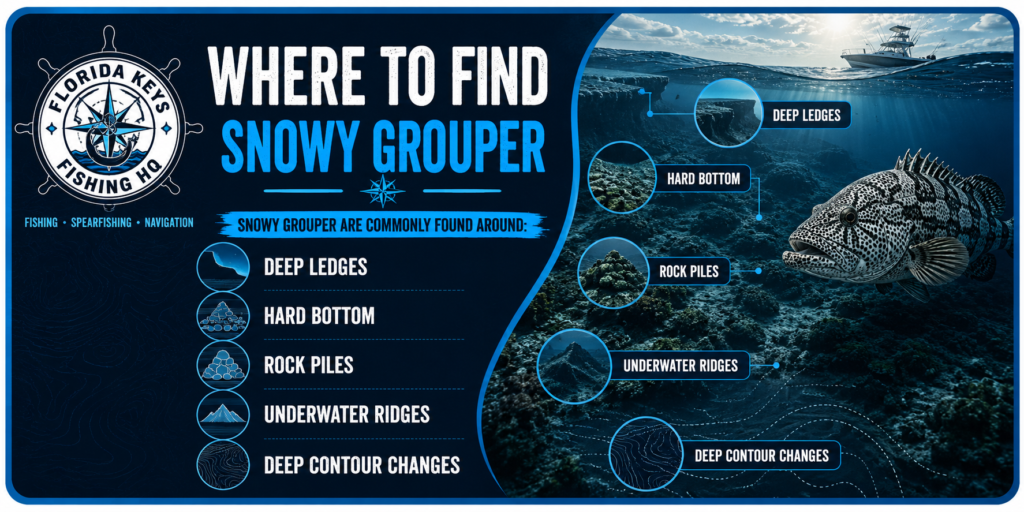
    Where Are Snowy Grouper Found?

    In the Florida Keys, snowy grouper are generally targeted in deep water along the continental shelf.

    Successful anglers typically focus on:

    • Steep bottom changes
    • Ledges
    • Drop-offs
    • Hard bottom areas
    • Deep contour lines

    The most productive areas often feature significant depth changes that concentrate bait and predators.

    What Depth Do Snowy Grouper Live In?

    Snowy grouper are commonly caught in depths ranging from several hundred feet to over 1,500 feet.

    Depth alone is not enough.

    The key is locating structure that attracts bait and provides feeding opportunities.

    Using Navionics To Find Snowy Grouper

    One of the best tools available to anglers is Navionics.

    When searching charts, focus on:

    • Tight contour lines
    • Sharp depth changes
    • Underwater ledges
    • Isolated bottom features

    These areas often hold fish when surrounding flat bottom does not.

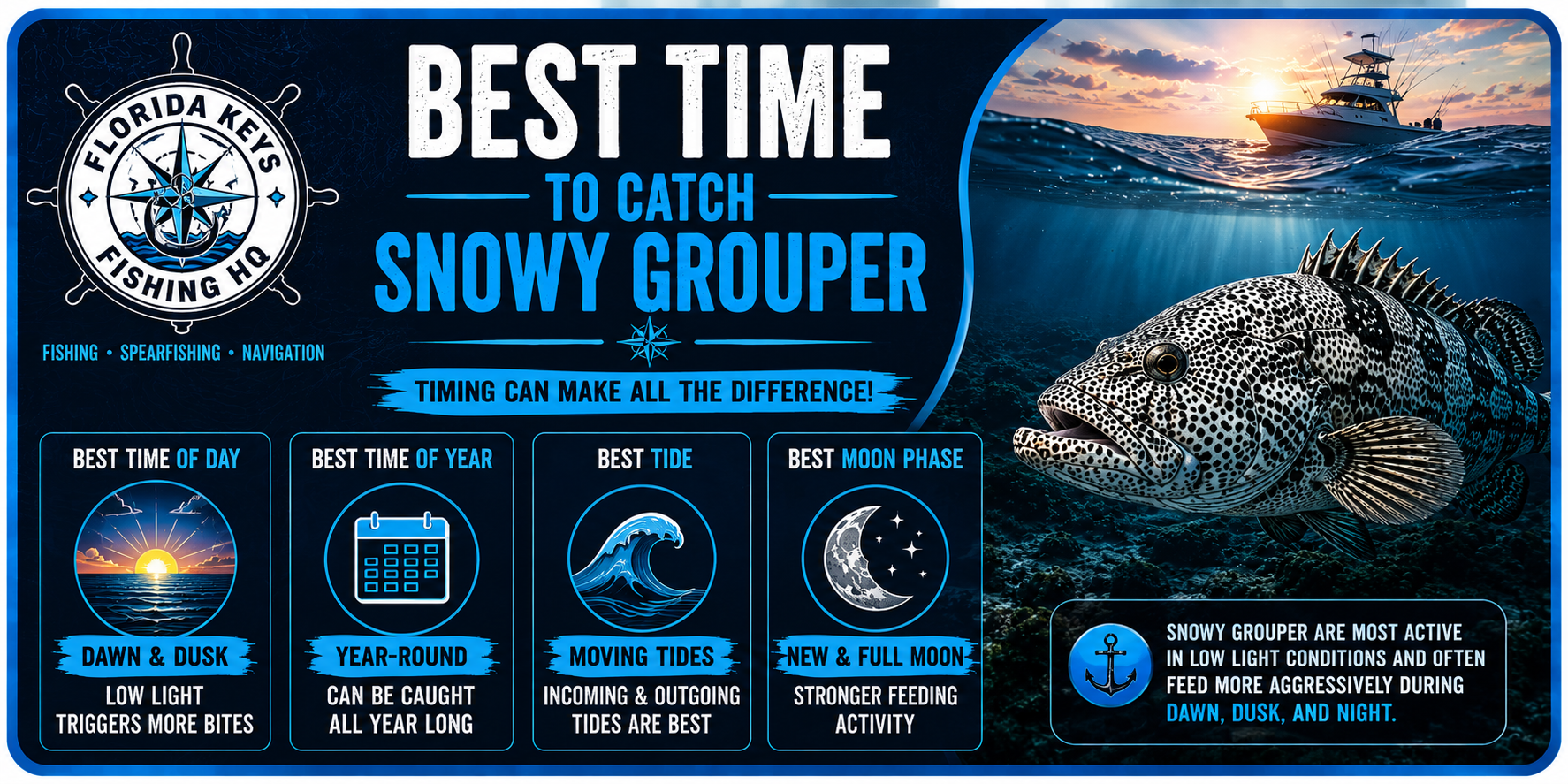
    Best Conditions

    Many anglers prefer:

    • Moderate current
    • Stable weather
    • Favorable moon phases
    • Manageable drift speeds

    Controlling boat position and drift can significantly improve results.

    Tackle and Equipment

    Popular deep-drop setups include:

    • Electric reels
    • Heavy braid
    • Deep-drop weights
    • Multi-hook rigs
    • High-visibility leaders

    Proper equipment makes fishing extreme depths much more efficient.

    Common Mistakes

    Many anglers:

    • Fish flat bottom
    • Ignore contour changes
    • Drift too quickly
    • Use inadequate tackle
    • Fail to mark productive areas

    Success often comes from identifying structure and repeatedly fishing productive spots.

    Final Thoughts

    Finding snowy grouper requires patience, research, and time on the water.

    By focusing on structure, contour changes, and proper deep-drop techniques, anglers can dramatically increase their chances of success in Florida Keys waters.