Blog

  • Best Bait for Mangrove Snapper in the Florida Keys (2026 Guide)

    Introduction

    Mangrove snapper are one of the most popular fish species in the Florida Keys. They can be found around bridges, mangroves, patch reefs, wrecks, and offshore structure. While mangrove snapper will eat a variety of baits, some options consistently outperform others. Choosing the right bait can make the difference between a slow day and a full cooler.

    Live Shrimp

    Live shrimp are one of the most effective baits for mangrove snapper. Their natural movement and scent attract fish in both shallow and deep water. Shrimp work particularly well around bridge pilings, mangrove shorelines, and patch reefs where snapper naturally feed. Hook the shrimp lightly through the horn to keep it alive and active.

    Pilchards

    Pilchards are a favorite bait among experienced Florida Keys anglers. These small baitfish are commonly found throughout the Keys and closely match the natural forage that mangrove snapper feed on every day. Free-lining a live pilchard around structure can produce aggressive strikes from larger snapper.

    Pinfish

    Pinfish are another excellent bait choice, especially when targeting larger mangrove snapper. Their durability allows them to stay alive longer in strong current and around structure. Many anglers use small live pinfish near bridge pilings and reef edges where trophy-sized snapper are often found.

    Ballyhoo

    Ballyhoo are commonly used throughout the Florida Keys for a variety of species, including mangrove snapper. Small live or freshly cut pieces of ballyhoo provide excellent scent and visibility in the water. They are especially productive around offshore reefs and wrecks.

    Cut Bait

    Fresh cut bait can be extremely effective when mangrove snapper are feeding aggressively. Cut pinfish, ballyhoo, sardines, and other local baitfish release scent into the water and attract fish from a distance. Smaller chunks often work best because snapper can easily consume them.

    Best Rig for Mangrove Snapper

    A simple fluorocarbon leader with a small circle hook is often all that is needed for mangrove snapper. In shallow water, many anglers prefer to free-line live bait naturally with the current. In deeper water or stronger current, adding a small weight helps keep the bait in the strike zone.

    Best Locations in the Florida Keys

    Mangrove snapper can be found throughout the Florida Keys. Productive areas include bridge pilings, mangrove shorelines, patch reefs, wrecks, and offshore reefs. Fish are often concentrated around structure where they can ambush bait carried by the current.

    Final Thoughts

    Mangrove snapper are abundant throughout the Florida Keys and provide excellent fishing opportunities year-round. Live shrimp, pilchards, pinfish, ballyhoo, and fresh cut bait are among the most productive options available. Matching the local forage and fishing around structure will greatly improve your chances of success.

  • Channel 2 Bridge Fishing Guide (2026 Florida Keys Edition)

    Where Is Channel 2 Bridge?

    Channel 2 Bridge is located near Marathon in the Middle Florida Keys. It connects Key Vaca and Long Key and is known for strong tidal flow, deep water access, and excellent fishing opportunities throughout the year.

    What Fish Can You Catch at Channel 2 Bridge?

    Anglers commonly catch mangrove snapper, mutton snapper, tarpon, jack crevalle, barracuda, sharks, permit, and various reef species. The bridge structure attracts baitfish which in turn attracts larger predators.

    Best Baits for Channel 2 Bridge

    Live shrimp, pilchards, pinfish, cut bait, and live mullet are among the most productive baits. Matching the local forage often produces the best results.

    Best Tides for Fishing Channel 2 Bridge

    Moving water is critical. Incoming and outgoing tides create strong current that pushes bait through the bridge openings. Most experienced anglers prefer fishing during the strongest portions of the tide change.

    Best Time of Year to Fish Channel 2 Bridge

    Fishing can be productive year-round, but spring and fall often provide the most consistent action. Tarpon fishing is especially popular during seasonal migrations.

    Fishing Tips for Success

    Focus on current seams, bridge pilings, and areas where baitfish are concentrated. Use enough weight to maintain bottom contact and always pay attention to changing tide conditions.

    Final Thoughts

    Channel 2 Bridge remains one of the most productive bridge fishing locations in the Florida Keys. With proper timing and bait selection, anglers can target a wide variety of species throughout the year.

  • Best Florida Keys Bridges for Fishing (2026 Guide)

    Introduction

    The Florida Keys are home to some of the best bridge fishing in the country. Bridges provide access to deep water, strong current, and a wide variety of gamefish without requiring a boat. Whether you’re targeting mangrove snapper, tarpon, permit, or sharks, the Keys offer several bridge locations that consistently produce fish throughout the year.

    1. Seven Mile Bridge

    Seven Mile Bridge is one of the most famous fishing destinations in the Florida Keys. The bridge spans deep water and provides excellent habitat for baitfish, which attracts larger predators. Anglers regularly catch tarpon, mangrove snapper, jack crevalle, barracuda, sharks, and permit. Fishing is usually best during moving tides when current pushes bait through the bridge structure.

    2. Channel 2 Bridge

    Channel 2 Bridge near Marathon is known for strong current flow and excellent water movement. The bridge is a productive spot for mangrove snapper, mutton snapper, tarpon, and barracuda. Many local anglers consider it one of the best bridge fishing locations in the Middle Keys because fish often stack up around the bridge pilings and channel edges.

    3. Bahia Honda Bridge

    Bahia Honda Bridge offers anglers a beautiful setting and access to productive fishing grounds. The area is known for snapper, grouper, tarpon, and a variety of reef species. The combination of structure, current, and nearby flats creates opportunities for both daytime and nighttime fishing.

    4. Long Key Bridge

    Long Key Bridge is a favorite location for anglers targeting snapper and other structure-oriented species. The bridge provides access to deeper water and attracts baitfish throughout the year. Fishing during tide changes can be particularly productive as predators use the current to ambush prey.

    5. Tom’s Harbor Cut

    Tom’s Harbor Cut is a smaller but highly productive fishing area in the Keys. The cut allows water to move between bays and channels, creating strong current and concentrating bait. Anglers often target mangrove snapper, tarpon, jacks, and other species that take advantage of the moving water.

    Best Species To Target

    Bridge anglers in the Florida Keys commonly catch mangrove snapper, mutton snapper, tarpon, jack crevalle, permit, barracuda, sharks, and grouper. The exact species available will vary by season, water temperature, and location, but there are quality fishing opportunities throughout the year.

    Best Tides For Bridge Fishing

    Moving water is usually the key to successful bridge fishing. Incoming and outgoing tides create current that pushes baitfish through bridge channels and around pilings. Many experienced anglers prefer fishing the first few hours of an incoming or outgoing tide when water movement is strongest.

    Final Thoughts

    The Florida Keys offer some of the best bridge fishing opportunities in the United States. Whether you’re fishing from shore or by boat, locations such as Seven Mile Bridge, Channel 2 Bridge, Bahia Honda Bridge, Long Key Bridge, and Tom’s Harbor Cut provide excellent chances to catch a variety of species. Understanding tides, current, and fish behavior will greatly improve your success.

  • Mangrove Snapper Fishing Guide (2026 Florida Keys Edition)

    Introduction

    Mangrove snapper are one of the most popular and widely available game fish in the Florida Keys. They are excellent table fare, can be found throughout the year, and are accessible to anglers fishing bridges, reefs, mangroves, wrecks, and offshore structure.

    While mangrove snapper are common, consistently catching larger fish requires understanding their behavior, preferred habitat, and feeding patterns.

    Where to Find Mangrove Snapper

    Mangrove snapper can be found throughout the Florida Keys in a variety of habitats.

    Common locations include:

    • Bridge pilings
    • Mangrove shorelines
    • Patch reefs
    • Offshore reefs
    • Wrecks
    • Docks and marina structures

    They are structure-oriented fish and rarely stray far from cover.

    Best Baits for Mangrove Snapper

    Mangrove snapper will eat a wide variety of natural baits.

    Some of the most productive options include:

    • Live shrimp
    • Pilchards
    • Pinfish
    • Ballyhoo
    • Cut bait

    Matching the local forage often produces the best results. In clear water conditions, live bait frequently outperforms artificial presentations.

    Best Tackle Setup

    Mangrove snapper do not require heavy tackle, but strong gear helps when fishing around structure.

    A typical setup includes:

    • Medium spinning rod
    • 10–20 lb braided line
    • 20–40 lb fluorocarbon leader
    • Small circle hooks

    Using lighter leaders can often increase bites when fish become line shy.

    Best Time to Catch Mangrove Snapper

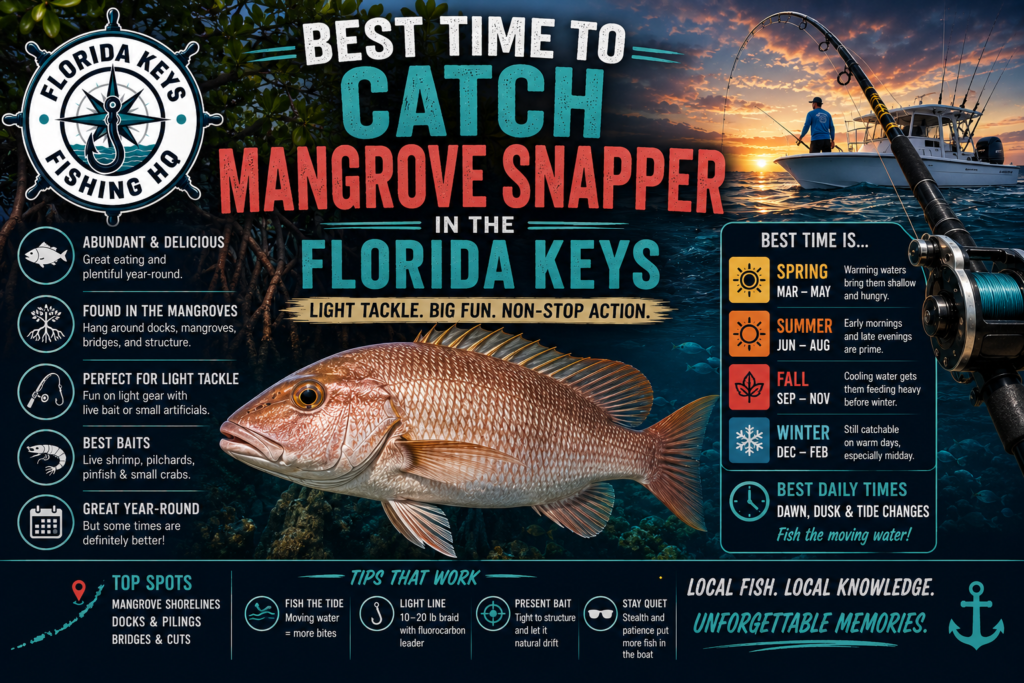
    Mangrove snapper can be caught year-round in the Florida Keys.

    Many anglers experience the best action:

    • Around sunrise
    • Around sunset
    • During moving tides
    • At night around bridges and docks

    Current plays a major role in feeding activity.

    Bridge Fishing for Mangrove Snapper

    Bridges are some of the most productive mangrove snapper locations in the Keys.

    Fish often hold:

    • Along bridge pilings
    • Near current seams
    • Around bait concentrations
    • Along drop-offs near bridge structure

    Accurate bait presentation is often more important than expensive tackle.

    Reef Fishing for Mangrove Snapper

    Patch reefs and offshore reefs can provide excellent mangrove snapper fishing.

    When fishing reefs:

    • Use natural bait
    • Fish near structure
    • Focus on current flow
    • Be prepared for quick strikes

    Larger snapper often stay close to the reef and immediately attempt to return to cover when hooked.

    Common Mistakes

    Many anglers:

    • Use leaders that are too heavy
    • Ignore current direction
    • Fish away from structure
    • Set the hook too aggressively with circle hooks
    • Fail to downsize tackle when conditions require it

    Small adjustments can dramatically improve catch rates.

    Final Thoughts

    Mangrove snapper are one of the most dependable and rewarding species available to Florida Keys anglers. By focusing on structure, current, and natural bait presentations, anglers can consistently catch quality fish throughout the year.

    Whether fishing bridges, mangroves, patch reefs, or offshore structure, mangrove snapper provide outstanding action and excellent table fare.

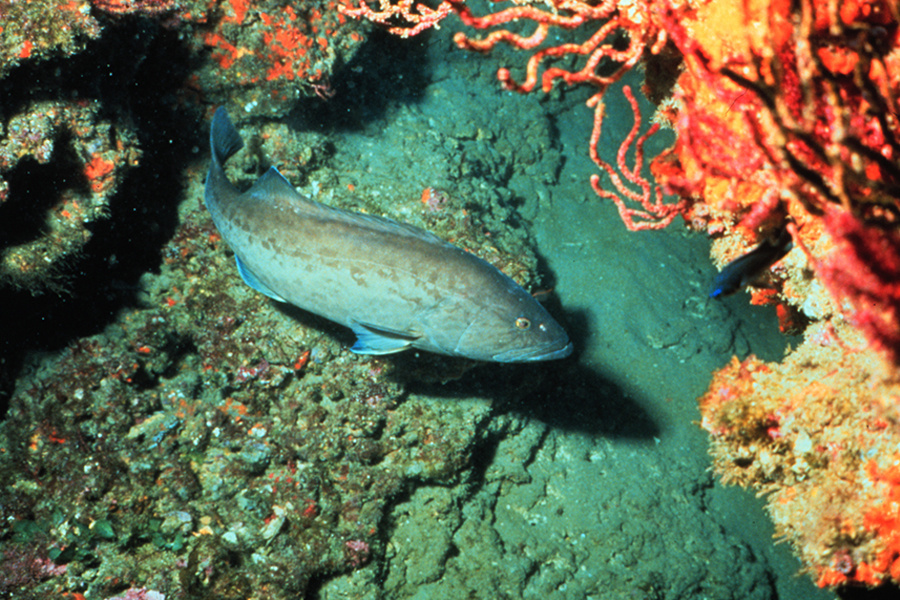
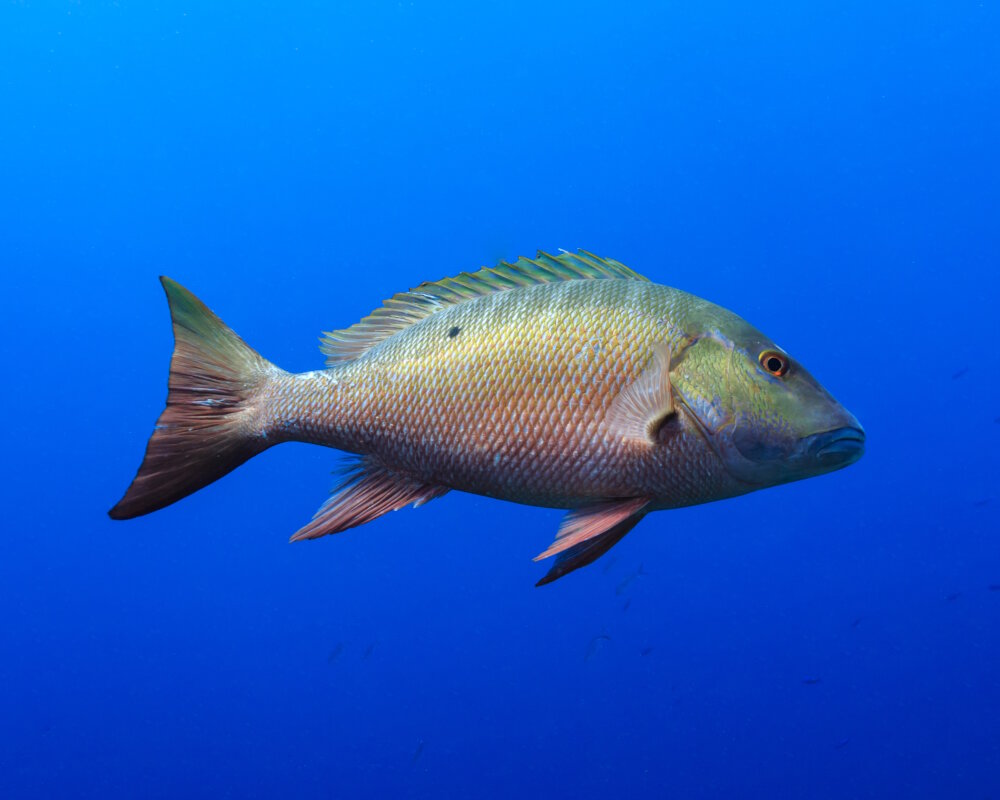
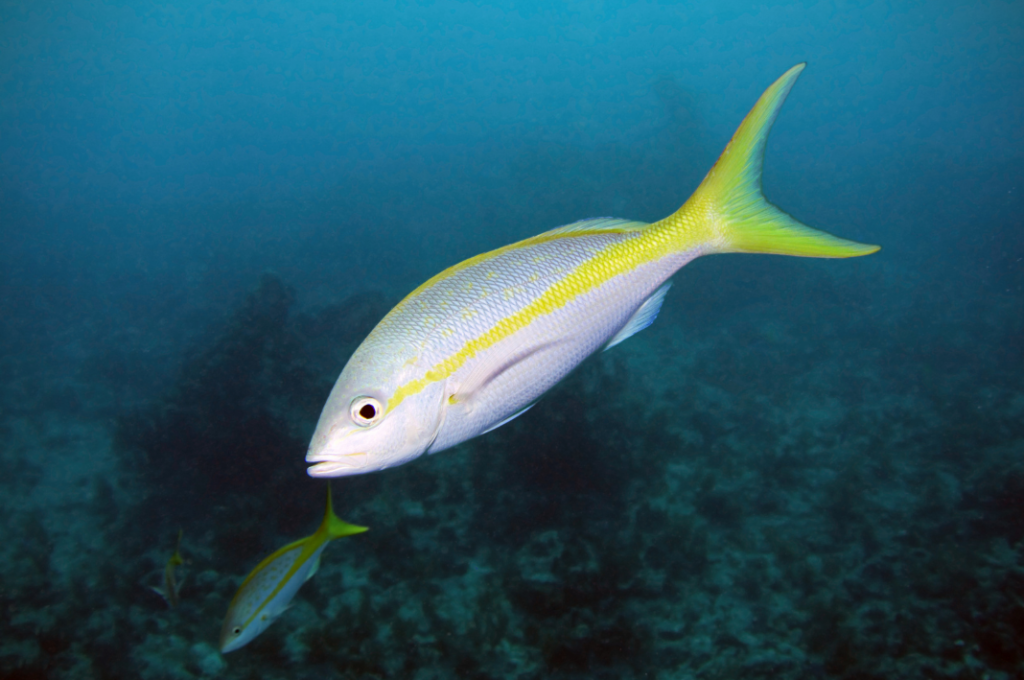
    Mangrove snapper swimming over shallow Florida Keys reef

    Looking for the best bait options? Check out our Best Bait for Mangrove Snapper in the Florida Keys (2026 Guide).

  • Best Snowy Grouper Rig Setup (2026 Guide)

    Introduction

    Having the right rig can make the difference between a successful snowy grouper trip and a frustrating day offshore.

    Because snowy grouper are often targeted in extreme depths, anglers need rigs that can reach the bottom quickly, withstand heavy pressure, and present bait effectively.

    This guide covers the basic components of a productive snowy grouper rig.

    Main Line

    Most anglers use braided line because of its small diameter and sensitivity.

    Advantages include:

    • Better bite detection
    • Less stretch
    • Improved hooksets
    • Reduced drag in strong current

    Heavy braid is commonly used when fishing extreme depths.

    Leader Material

    A strong leader helps withstand abrasion from structure and the fish itself.

    Popular choices include:

    • Monofilament leader
    • Fluorocarbon leader

    Leader size often varies based on depth, current, and target species.

    Hooks

    Circle hooks are a popular choice because they:

    • Improve hookup rates
    • Reduce gut-hooking
    • Hold fish securely during long retrieves

    Strong, high-quality hooks are critical when fishing deep water.

    Weights

    The amount of weight required depends on:

    • Water depth
    • Current speed
    • Drift speed

    Deep-drop anglers frequently adjust weight throughout the day to maintain bottom contact.

    Multi-Hook Rigs

    Many anglers use multi-hook deep-drop rigs featuring:

    • Multiple dropper loops
    • Glow components
    • Squid skirts
    • LED attractor lights

    These rigs help attract fish in deep, dark water.

    Electric Reels

    Electric reels have become increasingly popular for deep-drop fishing.

    Benefits include:

    • Less fatigue
    • Faster retrieval
    • More fishing time
    • Improved efficiency in extreme depths

    Many anglers consider electric reels essential when targeting snowy grouper regularly.

    Common Mistakes

    Avoid:

    • Using too little weight
    • Weak hooks
    • Poor-quality connections
    • Fishing without checking knots
    • Ignoring current conditions

    Small mistakes become major problems when fishing deep water.

    Final Thoughts

    The best snowy grouper rig is one that consistently reaches the bottom, presents bait naturally, and withstands the demands of deep-water fishing.

    Experiment with different rigs and make adjustments based on conditions until you find what works best for your style of fishing.

  • How to Find Snowy Grouper in the Florida Keys (2026 Guide)

    Introduction

    Snowy grouper are one of the most sought-after deep-water species available to Florida Keys anglers.

    Known for their excellent table fare and hard-fighting nature, snowy grouper are typically found in deep water far beyond the reef line.

    Finding them consistently requires understanding depth, bottom structure, currents, and proper deep-drop techniques.

    Where Are Snowy Grouper Found?

    In the Florida Keys, snowy grouper are generally targeted in deep water along the continental shelf.

    Successful anglers typically focus on:

    • Steep bottom changes
    • Ledges
    • Drop-offs
    • Hard bottom areas
    • Deep contour lines

    The most productive areas often feature significant depth changes that concentrate bait and predators.

    What Depth Do Snowy Grouper Live In?

    Snowy grouper are commonly caught in depths ranging from several hundred feet to over 1,500 feet.

    Depth alone is not enough.

    The key is locating structure that attracts bait and provides feeding opportunities.

    Using Navionics To Find Snowy Grouper

    One of the best tools available to anglers is Navionics.

    When searching charts, focus on:

    • Tight contour lines
    • Sharp depth changes
    • Underwater ledges
    • Isolated bottom features

    These areas often hold fish when surrounding flat bottom does not.

    Best Conditions

    Many anglers prefer:

    • Moderate current
    • Stable weather
    • Favorable moon phases
    • Manageable drift speeds

    Controlling boat position and drift can significantly improve results.

    Tackle and Equipment

    Popular deep-drop setups include:

    • Electric reels
    • Heavy braid
    • Deep-drop weights
    • Multi-hook rigs
    • High-visibility leaders

    Proper equipment makes fishing extreme depths much more efficient.

    Common Mistakes

    Many anglers:

    • Fish flat bottom
    • Ignore contour changes
    • Drift too quickly
    • Use inadequate tackle
    • Fail to mark productive areas

    Success often comes from identifying structure and repeatedly fishing productive spots.

    Final Thoughts

    Finding snowy grouper requires patience, research, and time on the water.

    By focusing on structure, contour changes, and proper deep-drop techniques, anglers can dramatically increase their chances of success in Florida Keys waters.

  • Understanding Florida Keys No-Take Zones (2026 Guide)

    Introduction

    No-take zones are among the most misunderstood areas in the Florida Keys.

    Many anglers and spearfishermen know they exist, but are unsure where they are located, what activities are prohibited, and how to identify them before entering the water.

    Understanding no-take zones is essential for protecting marine resources and avoiding costly violations.

    What Is a No-Take Zone?

    A no-take zone is an area where harvesting marine life is prohibited.

    Depending on the specific designation, restrictions may apply to:

    • Fishing
    • Spearfishing
    • Lobstering
    • Collecting marine life
    • Harvesting coral or other protected resources

    The purpose of these zones is to protect sensitive habitats and fish populations.

    Why Do No-Take Zones Exist?

    The Florida Keys contain some of the most unique marine ecosystems in the United States.

    No-take zones help:

    • Protect coral reefs
    • Preserve fish spawning areas
    • Support healthy fish populations
    • Improve long-term fishing opportunities

    These protected areas benefit both recreational anglers and future generations.

    Common Mistakes Anglers Make

    Many violations occur because boaters:

    • Do not verify boundaries before fishing
    • Rely on outdated information
    • Assume nearby waters are legal
    • Fail to review current regulations

    A few minutes of research before leaving the dock can prevent major problems.

    How To Identify No-Take Zones

    Before every trip, review:

    • Official sanctuary maps
    • Current regulations
    • GPS chartplotter information
    • Navigation apps such as Navionics

    Boundaries can change, so always verify current information.

    Frequently Asked Questions

    Can I fish inside a no-take zone?

    No. Harvesting marine life is prohibited.

    Can I spearfish inside a no-take zone?

    No. Spearfishing is prohibited.

    Can I anchor inside a no-take zone?

    Rules vary depending on the specific area. Always review current regulations.

    How do I know if I am inside a no-take zone?

    Use current maps, GPS equipment, and official resources before fishing or diving.

    Final Thoughts

    The Florida Keys provide incredible fishing and diving opportunities, but anglers and divers must understand protected areas before entering the water.

    Taking time to learn no-take zone boundaries will help protect marine resources and ensure your trip remains safe and legal.

  • Where Can You Spearfish in the Florida Keys? (2026 Guide)

    Introduction

    One of the most common questions visitors ask before a Florida Keys spearfishing trip is simple:

    “Where can I legally spearfish?”

    The answer can be confusing because the Florida Keys contain numerous protected areas, sanctuary preservation areas, ecological reserves, state parks, and no-take zones.

    Understanding where you can and cannot spearfish is essential before entering the water.

    Why So Many People Get Confused

    Many anglers assume that if they are offshore, they can legally spearfish.

    However, certain areas throughout the Florida Keys prohibit spearfishing regardless of distance from shore.

    Protected areas may include:

    • Sanctuary Preservation Areas
    • Ecological Reserves
    • State Parks
    • Research Areas
    • Existing No-Take Zones

    Always verify current regulations before entering the water.

    Areas to Research Before Every Trip

    Before launching your boat, confirm:

    • Current sanctuary boundaries
    • No-take zones
    • State park restrictions
    • Seasonal closures
    • Species regulations

    Taking a few minutes to verify boundaries can prevent costly mistakes.

    Tools That Help

    Several tools can help identify boundaries and protected areas:

    • Official sanctuary maps
    • GPS chartplotters
    • Navionics
    • State and federal agency websites

    Never rely solely on memory when planning a trip.

    Common Questions

    Can I spearfish near mangrove islands?

    It depends on the specific location and whether the area falls within a protected zone.

    Can I spearfish near bridges?

    Certain bridges and nearby waters may have restrictions. Always verify local regulations.

    Can I spearfish in state parks?

    Many state parks prohibit spearfishing.

    Can I spearfish inside no-take zones?

    No. Harvesting marine life is prohibited in no-take zones.

    Final Thoughts

    The Florida Keys offer outstanding spearfishing opportunities, but understanding legal boundaries is critical.

    Before every trip, verify current regulations and protected areas to ensure a safe and legal dive.

  • Florida Keys Spearfishing Regulations Explained (2026 Guide)

    Introduction

    If you’re planning a spearfishing trip to the Florida Keys, understanding the regulations is just as important as finding fish. Every year divers unknowingly enter protected areas or target prohibited species, resulting in fines and ruined trips.

    This guide provides an overview of Florida Keys spearfishing regulations and highlights some of the most common mistakes visitors make.

    Can You Spearfish in the Florida Keys?

    Yes. Spearfishing is legal in many areas of the Florida Keys, but numerous restrictions apply depending on your location and the species you’re targeting.

    The biggest mistake new divers make is assuming that if they’re in the water, they can legally spear fish. In reality, there are sanctuary preservation areas, ecological reserves, state parks, and other protected zones where spearfishing is prohibited.

    Always verify the current regulations before entering the water.

    Common Areas Where Spearfishing Is Prohibited

    Protected areas may include:

    • Sanctuary Preservation Areas (SPAs)
    • Ecological Reserves
    • Certain State Parks
    • Research-Only Areas
    • Existing No-Take Zones

    Before every trip, review the latest official maps and regulations.

    Common Questions I Hear

    • Can I spearfish here?
    • How do I know if I’m in a no-take zone?
    • What fish can I legally spear?
    • How far offshore do I need to be?
    • Do I need a dive flag?

    These are some of the most common questions anglers and divers ask before entering the water.

    Final Thoughts

    The Florida Keys offer some of the best spearfishing opportunities in the United States. Understanding the regulations will help you stay legal, avoid protected areas, and enjoy a successful trip.

    Before every dive, review the latest regulations from the appropriate Florida and federal agencies because rules, seasons, and closures can change.

    ,