Blog

  • Tilefish Fishing in the Florida Keys (2026 Guide)

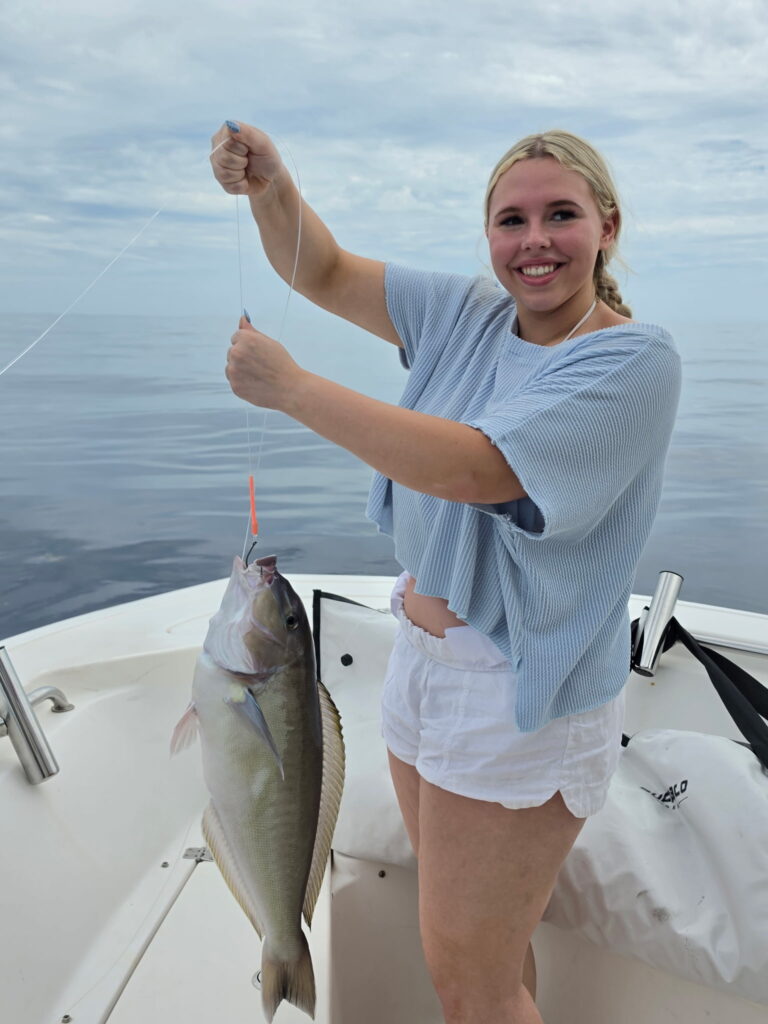
    Tilefish are one of the most sought-after deep-water species in the Florida Keys. Known for their excellent table fare and unique habitat, tilefish provide anglers with exciting deep drop fishing opportunities in waters far offshore.

    Although targeting tilefish requires specialized equipment and a willingness to fish deep water, the rewards can be well worth the effort.

    Where to Find Tilefish

    Tilefish are typically found in deep offshore waters along the continental slope and deep ledges.

    Productive areas often include:

    • Deep mud bottom
    • Soft bottom adjacent to structure
    • Offshore ledges
    • Submarine canyons
    • Areas with significant depth changes

    Many successful tilefish locations are found well offshore of the Florida Keys.

    Best Depth for Tilefish

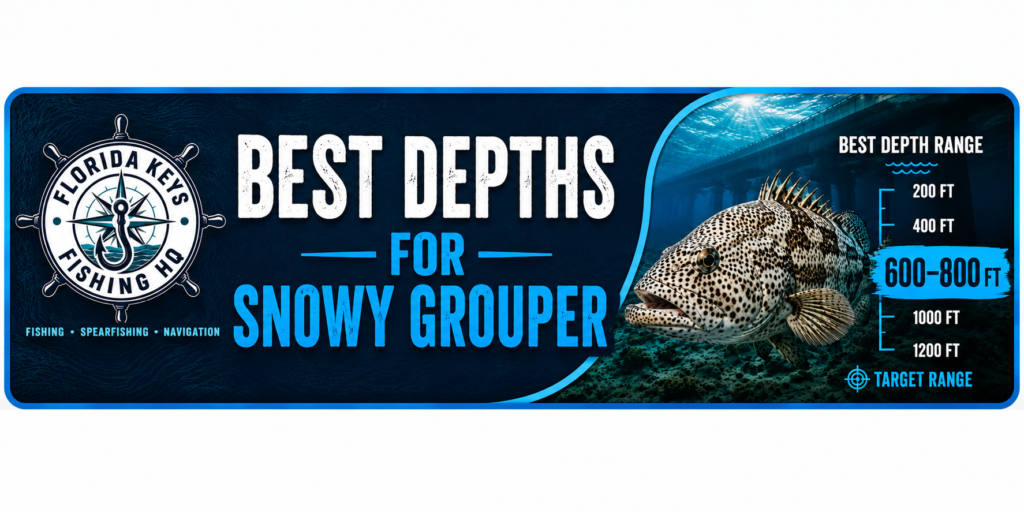
    Tilefish are commonly caught in depths ranging from 600 to over 1,200 feet.

    Many Florida Keys anglers focus on:

    • 600 to 800 feet
    • 800 to 1,000 feet
    • 1,000 to 1,200 feet

    Depth preferences can vary depending on current conditions and bottom structure.

    How to Find Tilefish

    One of the best ways to locate tilefish is by studying Navionics charts and identifying:

    • Sharp contour changes
    • Deep ledges
    • Bottom transitions
    • Soft bottom areas near structure

    Many anglers build a collection of productive waypoints over time by marking successful drifts and catches.

    Best Bait for Tilefish

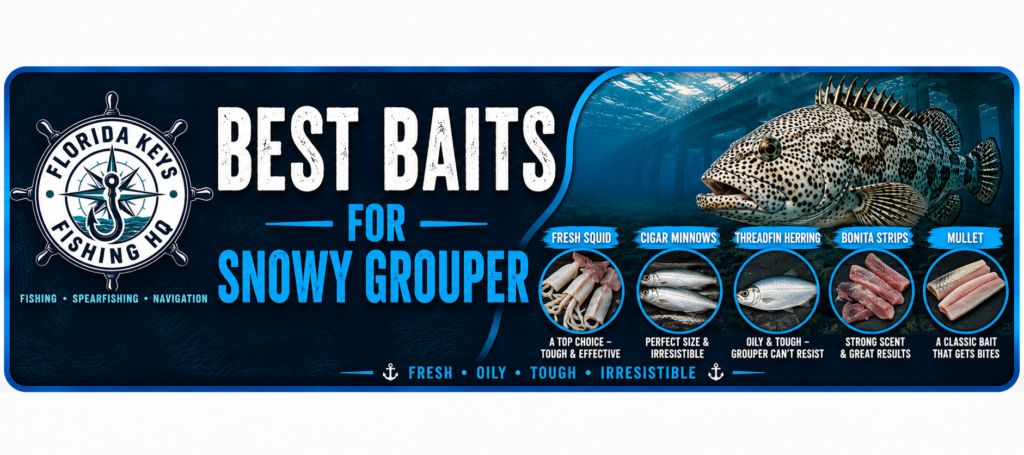
    Tilefish readily feed on a variety of natural baits.

    Popular options include:

    • Squid
    • Cut bonito
    • Cut mackerel
    • Cut ballyhoo
    • Sardines

    Fresh bait generally produces the best results, especially when fishing deep water.

    Best Rig for Tilefish

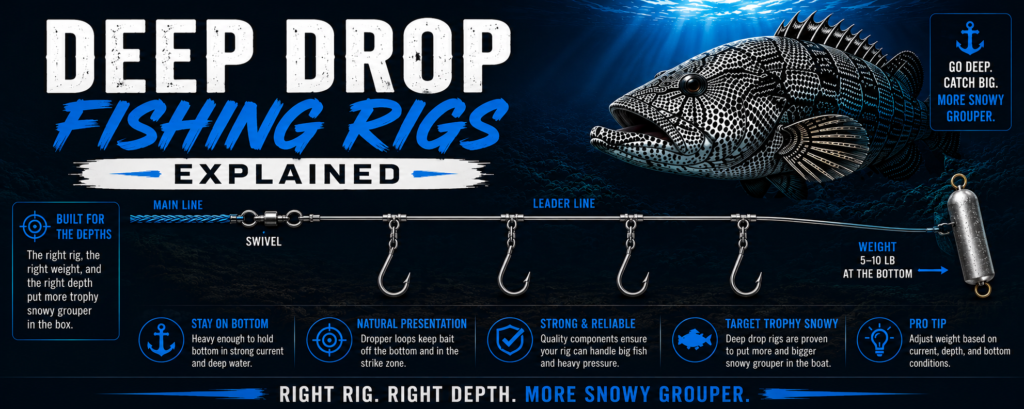
    A standard deep drop rig often includes:

    • 80-100 lb main line
    • Multiple circle hooks
    • Glow beads or skirts
    • Heavy sinker
    • Electric reel or high-capacity conventional reel

    Many anglers use two-hook or three-hook rigs depending on regulations and target species.

    Electric Reels for Tilefish

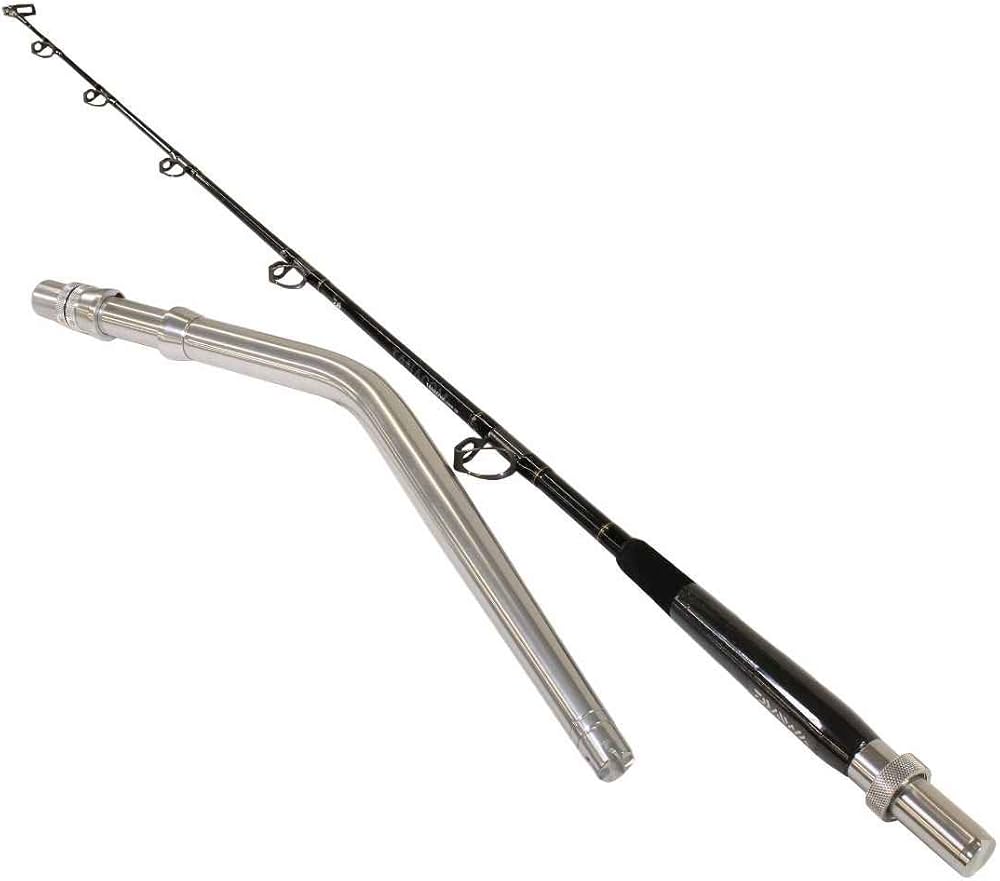
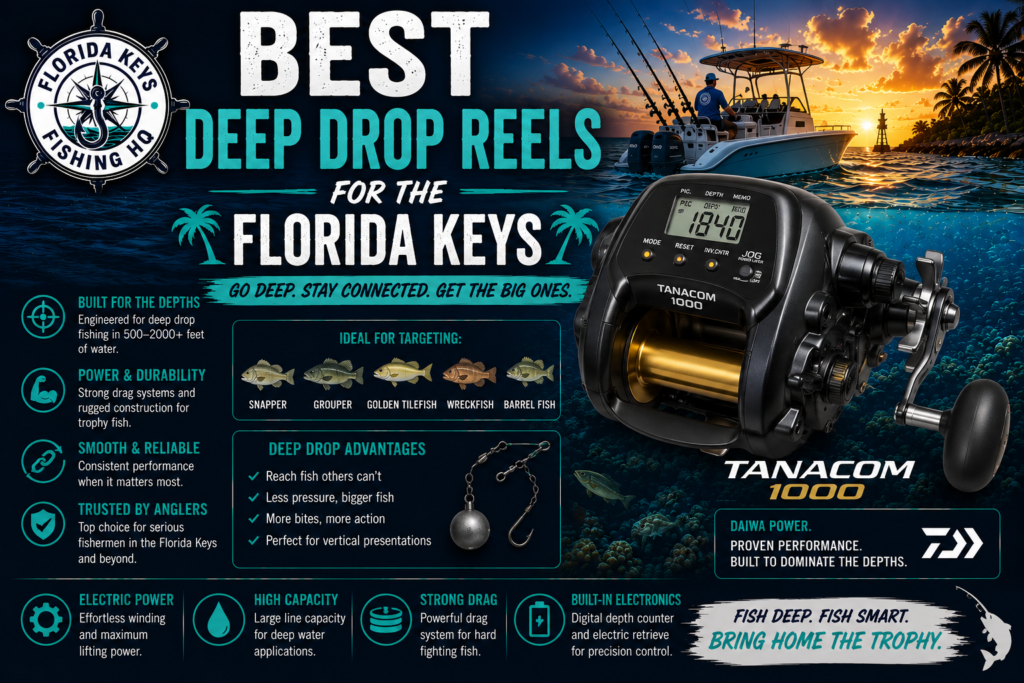
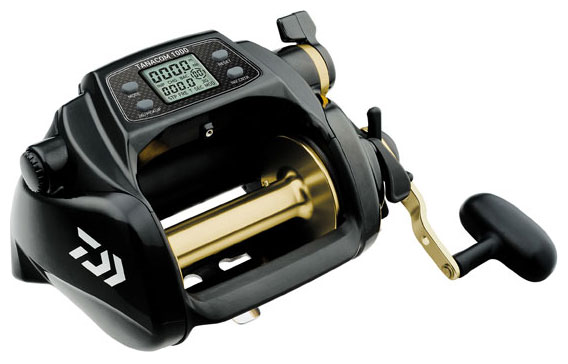
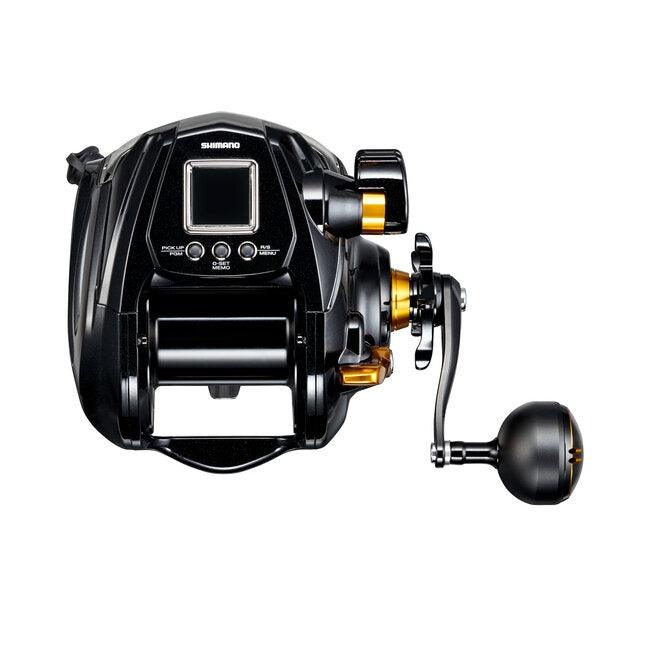
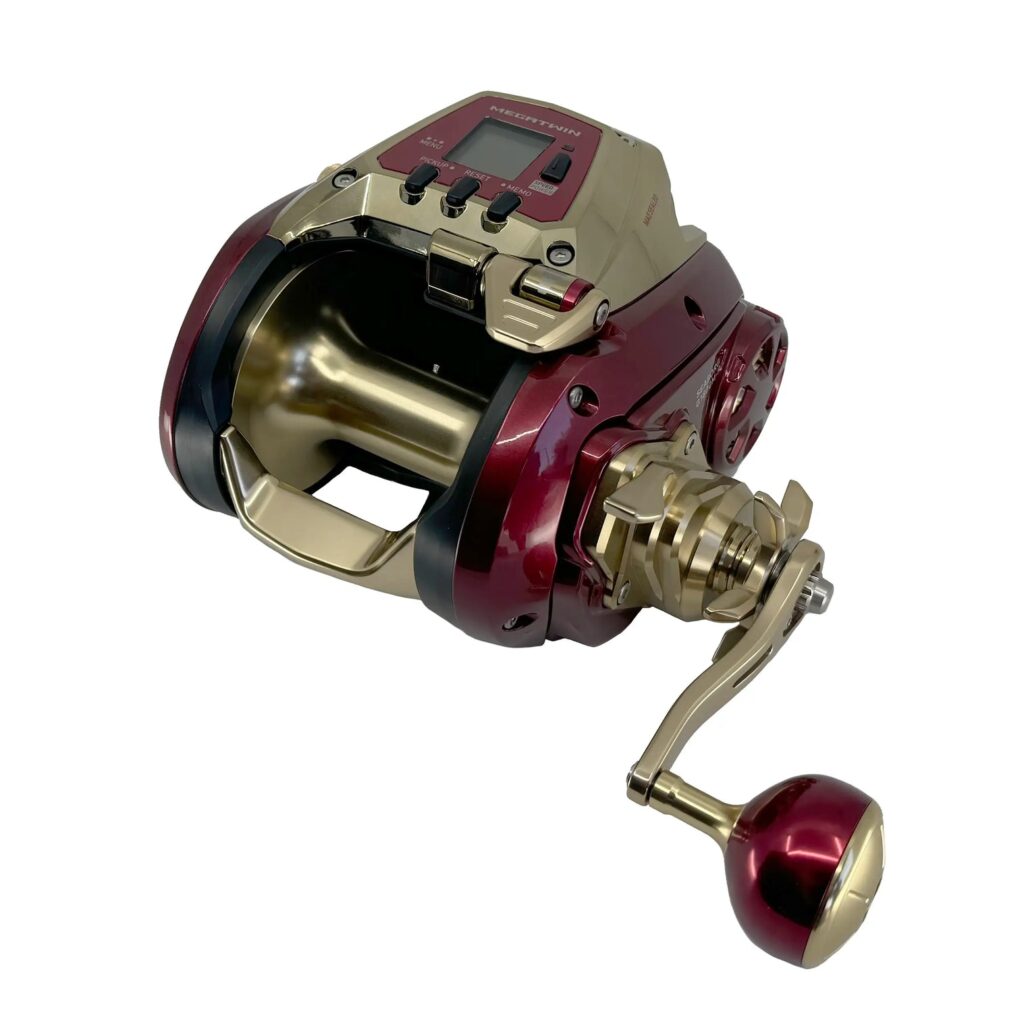
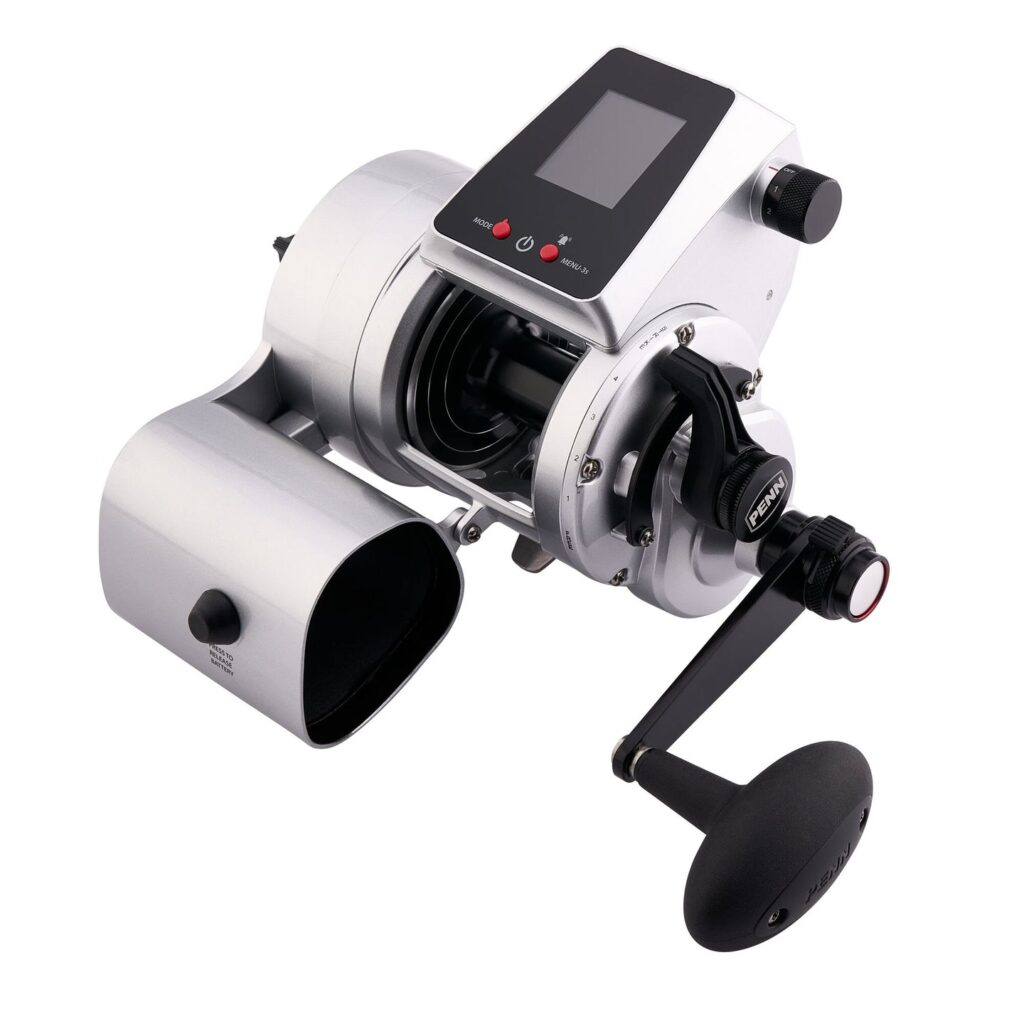
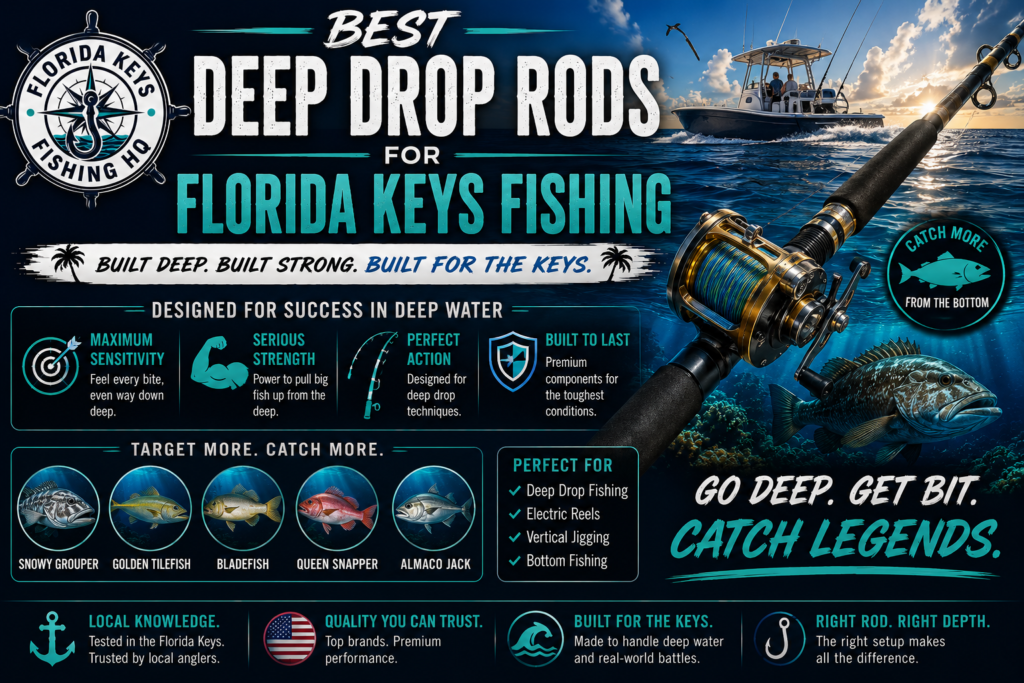
    Because of the extreme depths involved, many anglers use electric reels when targeting tilefish.

    Popular options include:

    • Daiwa Tanacom
    • Shimano Beastmaster
    • Commercial-style electric reels

    Electric reels reduce fatigue and allow anglers to spend more time fishing effectively.

    Best Conditions for Tilefish

    Tilefish fishing is often best when:

    • Seas are calm
    • Current is manageable
    • Drifts remain controlled
    • Weather allows safe offshore travel

    Strong current can make it difficult to maintain bottom contact and effectively present baits.

    Common Mistakes

    Many anglers struggle because they:

    • Fail to stay near bottom
    • Use insufficient weight
    • Drift too quickly
    • Ignore chart structure
    • Neglect to mark productive waypoints

    Consistent success often comes from locating productive bottom and repeating successful drifts.

    Final Thoughts

    Tilefish provide some of the best deep-water fishing opportunities available in the Florida Keys. By focusing on productive bottom structure, using quality bait, and maintaining proper bottom contact, anglers can enjoy excellent success targeting these unique fish.

    For offshore fishermen willing to make the run and fish deep water, tilefish remain one of the most rewarding species in the Florida Keys.

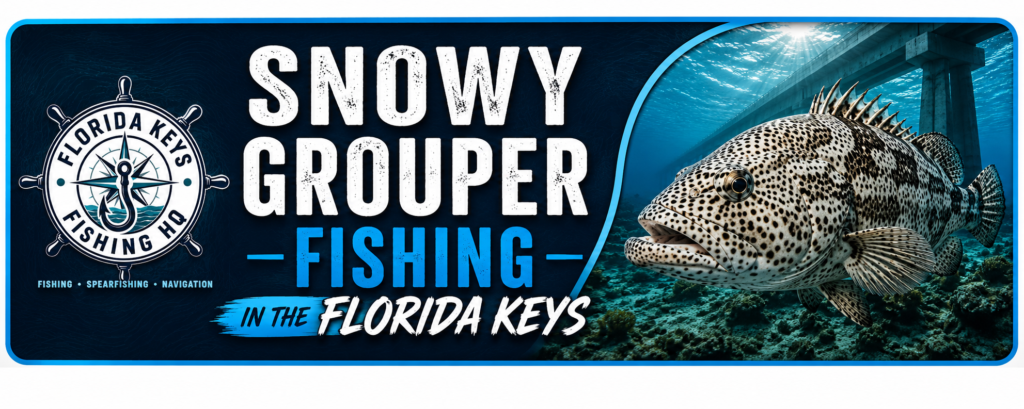
    Looking for another deep-water species? Check out our Snowy Grouper Fishing in the Florida Keys (2026 Guide).

    and

    Learn how to locate productive deep-water structure in our How to Read Navionics for Deep Drop Fishing (2026 Guide).

  • Gag Grouper Fishing in the Florida Keys (2026 Guide)

    Gag grouper are one of the most exciting bottom fish available to Florida Keys anglers. Known for powerful strikes and hard fights, gag grouper are a favorite target for fishermen exploring reefs, ledges, wrecks, and offshore structure throughout the Keys.

    Although they are not as common as some other grouper species in the Florida Keys, anglers who target the right habitat can enjoy excellent success.

    Where to Find Gag Grouper

    Gag grouper prefer structure and are commonly found around:

    • Natural ledges
    • Hard bottom
    • Offshore reefs
    • Shipwrecks
    • Rocky outcroppings

    Many productive areas are located in depths ranging from 40 to 200 feet.

    Larger fish are often found on deeper offshore structure where fishing pressure is lower.

    Best Bait for Gag Grouper

    Live bait is often the most effective choice for gag grouper.

    Top options include:

    • Pinfish
    • Blue runners
    • Grunts
    • Pilchards
    • Ballyhoo

    Fresh cut bait can also produce excellent results, especially around deeper structure.

    Many anglers prefer larger baits when targeting trophy-sized fish.

    Best Rig for Gag Grouper

    A simple bottom fishing rig works well for gag grouper.

    Recommended setup:

    • 50-80 lb braided main line
    • 60-100 lb fluorocarbon leader
    • 7/0 to 10/0 circle hook
    • Appropriate sinker for depth and current

    The goal is to keep the bait close to the bottom while maintaining enough strength to pull fish away from structure.

    Best Time to Catch Gag Grouper

    Gag grouper fishing can be productive throughout much of the year.

    Many anglers experience their best success:

    • During spring
    • During fall
    • Around moving tides
    • During periods of strong current

    Current often stimulates feeding activity and positions fish along structure.

    Best Depth for Gag Grouper

    Smaller gag grouper can sometimes be found in relatively shallow water.

    Larger fish are commonly caught in:

    • 60 to 120 feet
    • 120 to 200 feet
    • Deep ledges and wrecks

    Fish often position themselves near drop-offs and areas with significant bottom relief.

    Fishing Techniques

    Live Bait Fishing

    Live bait remains the preferred method for many anglers.

    Allow the bait to stay close to the bottom and be prepared for an aggressive strike.

    Drift Fishing

    Drifting allows anglers to cover more structure and locate active fish.

    Many successful fishermen mark productive areas and repeat drifts over the same structure.

    Vertical Jigging

    Heavy jigs can be effective when fish are holding tightly to deep structure.

    Jigging is especially useful when current conditions make bait fishing difficult.

    Common Mistakes

    One of the most common mistakes is allowing a hooked grouper too much time to reach structure.

    After the strike, anglers should apply steady pressure immediately to prevent the fish from returning to rocks, reefs, or wrecks.

    Another mistake is using tackle that is too light for the terrain being fished.

    Regulations

    Grouper regulations change periodically and may include seasonal closures, size limits, and bag limits.

    Always review the latest Florida Fish and Wildlife Conservation Commission (FWC) regulations before targeting gag grouper.

    Final Thoughts

    Gag grouper provide some of the most exciting bottom fishing opportunities available in the Florida Keys. By targeting productive structure, using quality live bait, and fishing moving water, anglers can significantly improve their success.

    Whether fishing reefs, ledges, or offshore wrecks, gag grouper remain a highly respected and rewarding species for Florida Keys fishermen.


    Looking for another popular grouper species? Check out our Black Grouper Fishing in the Florida Keys (2026 Guide).

    And:

    Want to locate better bottom structure? Read our How to Read Navionics for Deep Drop Fishing (2026 Guide).

  • Black Grouper Fishing in the Florida Keys (2026 Guide)

    Black grouper are among the most sought-after reef fish in the Florida Keys. They grow to impressive sizes, fight hard, and provide excellent table fare. Found throughout the Keys on reefs, wrecks, and rocky ledges, black grouper are a favorite target for both recreational anglers and experienced charter captains.

    Where to Find Black Grouper

    Black grouper are structure-oriented fish that prefer:

    • Coral reefs
    • Natural ledges
    • Shipwrecks
    • Patch reefs
    • Rocky bottom areas

    In the Upper Keys, productive areas can be found offshore of Key Largo and Islamorada. Further south, Marathon and the Lower Keys also offer excellent grouper habitat.

    Larger fish are commonly found in water depths from 40 to 150 feet, although trophy fish can be caught much deeper.

    Best Bait for Black Grouper

    Live bait consistently produces the biggest grouper.

    Top choices include:

    • Blue runners
    • Pinfish
    • Grunts
    • Pilchards
    • Ballyhoo

    Fresh cut bait such as bonito, mackerel, and mullet can also be highly effective.

    Best Rig for Grouper Fishing

    A simple grouper rig works best:

    • 50-80 lb fluorocarbon leader
    • 7/0 to 10/0 circle hook
    • Appropriate sinker for current
    • Live bait positioned near the bottom

    The key is getting the bait directly into the strike zone while maintaining enough strength to pull fish away from structure.

    Best Time to Catch Black Grouper

    Black grouper can be caught year-round in the Florida Keys.

    Peak fishing often occurs:

    • Spring
    • Early summer
    • Fall

    Many anglers find the best action around moving tides and periods of increased current.

    Best Depth for Black Grouper

    Common depth ranges include:

    • 30-60 feet on patch reefs
    • 60-120 feet on reef edges
    • 100-200 feet on deeper ledges and wrecks

    Larger fish are often caught on deeper structure away from heavily pressured areas.

    Techniques for Catching More Grouper

    Live Bait Fishing

    Live bait remains the most effective technique for trophy grouper. Position the bait near structure and be prepared for an immediate strike.

    Drift Fishing

    Drifting over ledges and reefs allows anglers to cover more ground and locate active fish.

    Vertical Jigging

    Heavy jigs can be extremely productive when grouper are holding tightly to deep structure.

    Common Mistakes

    Many anglers lose grouper because they do not apply enough pressure immediately after the hookset.

    Black grouper will attempt to return to the reef or wreck. Heavy tackle and aggressive pressure during the first few seconds are critical.

    Florida Keys Grouper Regulations

    Always check current Florida regulations before fishing. Grouper seasons, size limits, and bag limits can change and vary by species.

    Review current regulations through the official Florida Fish and Wildlife Conservation Commission (FWC) before your trip.

    Final Thoughts

    Black grouper are one of the premier gamefish found in the Florida Keys. Whether fishing patch reefs near Key Largo, offshore ledges near Islamorada, or deep wrecks in the Lower Keys, anglers who use quality live bait and focus on productive structure can consistently catch impressive fish.

    With proper preparation and knowledge of local conditions, black grouper fishing can provide some of the most exciting action available anywhere in the Florida Keys.

  • Mutton Snapper Fishing in the Florida Keys (2026 Guide)

    Mutton snapper are considered one of the most prized reef fish in the Florida Keys. Known for their powerful runs, excellent table fare, and impressive size, mutton snapper are a favorite target for both recreational and charter anglers.

    While they can be challenging to catch, anglers who understand their habits, preferred habitats, and feeding patterns can consistently find success throughout the Florida Keys.

    Where to Find Mutton Snapper

    Mutton snapper are commonly found around reefs, wrecks, patch reefs, ledges, and hard-bottom structure throughout the Florida Keys.

    Many larger fish are caught in water depths ranging from 30 to 150 feet, although smaller mutton snapper can often be found on shallow patch reefs.

    Popular areas include:

    • Patch reefs off Key Largo
    • Reef edges off Islamorada
    • Offshore wrecks near Marathon
    • Hard-bottom areas in the Lower Keys
    • Deep reef ledges and drop-offs

    Mutton snapper often move away from structure to feed, especially during spawning periods and low-light conditions.

    Best Bait for Mutton Snapper

    Live bait is often the most effective option when targeting larger mutton snapper.

    Top baits include:

    • Live pilchards
    • Ballyhoo
    • Pinfish
    • Threadfin herring
    • Live shrimp

    Fresh cut bait can also be highly productive. Many experienced anglers use chunks of ballyhoo, bonito, or other fresh baitfish to attract mutton snapper from surrounding areas.

    Best Rig for Mutton Snapper

    One of the most effective setups is a simple knocker rig.

    Use:

    • 20-40 lb fluorocarbon leader
    • 4/0 to 7/0 circle hook
    • Sliding egg sinker
    • Fresh live or cut bait

    The goal is to present the bait naturally while keeping it close to the bottom where mutton snapper feed.

    When current is strong, heavier sinkers may be needed to maintain bottom contact.

    Best Time to Catch Mutton Snapper

    Mutton snapper can be caught year-round in the Florida Keys, but spring and early summer often provide the best opportunities.

    Many anglers target mutton snapper during spawning periods around the full moon from April through July.

    Low-light conditions frequently produce the most bites. Early morning, late afternoon, and nighttime can all be excellent times to fish.

    Best Depth for Mutton Snapper

    While mutton snapper can be found in shallow water, larger fish are commonly caught between 50 and 120 feet.

    Patch reefs in 20 to 40 feet can hold good numbers of fish, but anglers targeting trophy-sized muttons often focus on deeper reef edges and offshore structure.

    Tips for Catching More Mutton Snapper

    • Use fluorocarbon leaders in clear water.
    • Keep bait presentations natural.
    • Avoid heavy terminal tackle whenever possible.
    • Fish during moon phases with strong tidal movement.
    • Drift over productive structure when conditions allow.
    • Use fresh bait whenever possible.

    Mutton snapper are known for being cautious feeders, so stealth and presentation are often more important than heavy tackle.

    Common Mistakes

    Many anglers fish too close to structure when targeting mutton snapper.

    Unlike mangrove snapper, mutton snapper frequently move away from reefs and wrecks to feed. Allowing baits to drift naturally away from structure often produces better results.

    Another common mistake is using oversized hooks or leaders that reduce natural bait movement.

    Final Thoughts

    Mutton snapper are one of the most rewarding fish to target in the Florida Keys. By focusing on quality bait, natural presentations, productive reef structure, and favorable moon phases, anglers can dramatically improve their success.

    Whether you’re fishing patch reefs off Key Largo, offshore wrecks near Islamorada, or deeper ledges in the Lower Keys, mutton snapper provide exciting action and some of the best eating fish found anywhere in Florida waters.

    Mutton snapper fish, lutjanus analis, swimming in blue water
  • Best Time to Catch Mangrove Snapper in the Florida Keys (2026 Guide)

    Mangrove snapper are one of the most popular and reliable fish species in the Florida Keys. They can be caught throughout the year, but anglers who understand seasonal patterns, tides, moon phases, and feeding behavior consistently catch larger fish and fill limits faster.

    Whether you’re fishing bridges in Key Largo, patch reefs off Islamorada, or mangrove shorelines in the backcountry, knowing when mangrove snapper are most active can make a huge difference in your success.

    Best Season for Mangrove Snapper

    Mangrove snapper can be caught year-round in the Florida Keys, but the best fishing generally occurs from late spring through early fall.

    From May through September, warmer water temperatures increase feeding activity and bring larger schools of snapper onto reefs, bridges, wrecks, and mangrove shorelines. Summer is often considered the peak season for both numbers and size.

    Fall can also produce excellent fishing as water temperatures remain warm and baitfish are abundant throughout the Keys.

    Best Time of Day

    Mangrove snapper are known for being cautious feeders during bright daylight hours. Early morning and late evening are often the most productive times to target them.

    The first few hours after sunrise and the last few hours before sunset typically provide the best action. Low-light conditions make snapper less wary and more willing to leave structure to feed.

    Night fishing around bridges and dock lights can be especially productive. Many experienced Florida Keys anglers target mangrove snapper after dark using live shrimp, pilchards, or small pieces of cut bait.

    Best Tide for Mangrove Snapper

    Moving water is one of the most important factors when targeting mangrove snapper.

    An incoming or outgoing tide that creates steady current around bridges, reefs, docks, and mangrove shorelines often produces the best fishing. Current carries baitfish and crustaceans directly to waiting snapper.

    Slack tide periods can be slower because bait movement decreases and fish become less active.

    For bridge fishing in particular, many anglers prefer fishing the first half of an incoming tide or the first half of an outgoing tide when current is strongest.

    Does the Moon Phase Matter?

    Moon phases can significantly impact mangrove snapper fishing in the Florida Keys.

    The days surrounding the new moon and full moon generally create stronger tidal movement, which increases feeding activity. Larger tidal swings often improve fishing around bridges, channels, and reef structures.

    Many anglers report excellent snapper fishing within three days before and after a full or new moon.

    While mangrove snapper can certainly be caught during any moon phase, stronger tides usually result in more consistent action.

    Best Locations in the Florida Keys

    Some of the best places to target mangrove snapper include:

    • Channel 2 Bridge
    • Seven Mile Bridge
    • Bahia Honda Bridge
    • Tom’s Harbor Cut
    • Nearshore patch reefs
    • Gulf side mangrove shorelines
    • Dock lights and residential canals
    • Artificial reefs and wrecks

    Bridges are especially productive because current concentrates bait and provides structure that attracts large numbers of snapper.

    Tips for Catching More Mangrove Snapper

    A few simple adjustments can dramatically increase your catch rate:

    • Use fluorocarbon leaders for clear water conditions.
    • Fish during low-light periods whenever possible.
    • Use live shrimp, pilchards, pinfish, or small chunks of cut bait.
    • Match hook size to bait size.
    • Keep baits close to structure without getting snagged.
    • Fish moving water whenever possible.

    Patience and stealth are often more important than heavy tackle when targeting larger mangrove snapper.

    Final Thoughts

    The best time to catch mangrove snapper in the Florida Keys is typically during the warmer months, around moving tides, and during low-light conditions. While these fish are available year-round, anglers who focus on current, moon phase, and feeding periods consistently experience the best success.

    Whether you’re fishing bridges in Key Largo, patch reefs off Islamorada, or mangrove shorelines throughout the Keys, applying these strategies will help you catch more mangrove snapper and improve your overall fishing results.

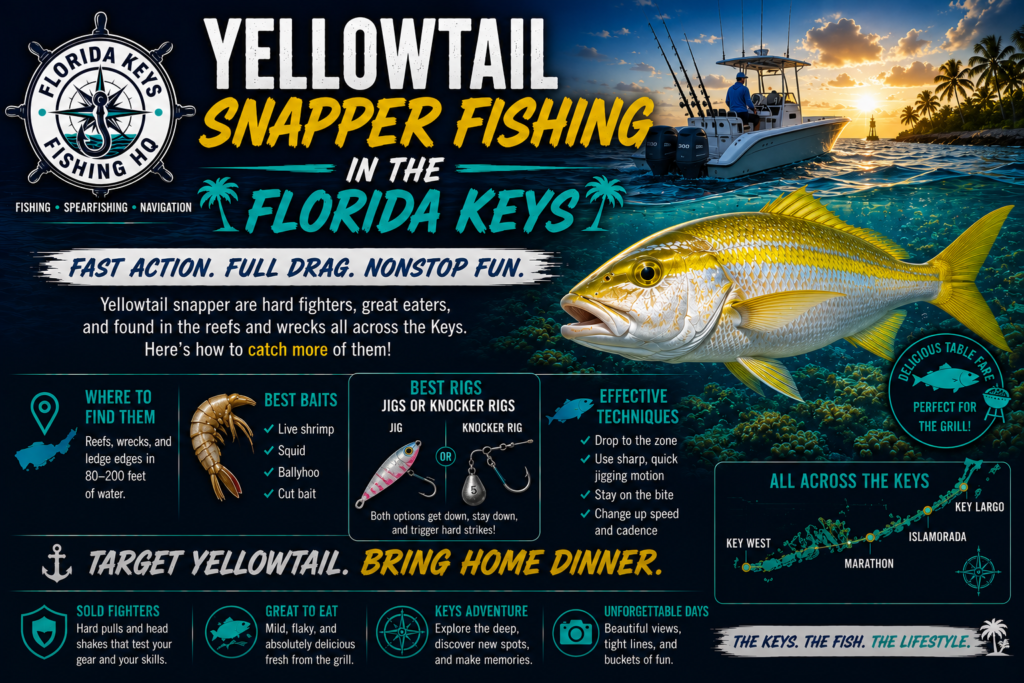
  • Best Bait for Yellowtail Snapper in the Florida Keys (2026 Guide)

    Introduction

    Yellowtail snapper are one of the most popular reef fish in the Florida Keys. They provide excellent table fare, fight hard on light tackle, and can be caught throughout much of the year.

    Success often comes down to using the right bait and creating an effective chum slick that draws fish behind the boat.

    Why Bait Matters

    Yellowtail snapper are visual feeders that spend much of their time suspended in the water column.

    Unlike mangrove snapper, yellowtails often move away from structure to investigate chum and drifting bait presentations.

    Choosing the proper bait can significantly increase the number and size of fish caught.

    Fresh Shrimp

    Fresh shrimp is one of the most effective yellowtail snapper baits available.

    Benefits include:

    • Easy to obtain
    • Natural scent
    • Excellent hook presentation
    • Effective year-round

    Many anglers use small pieces rather than entire shrimp to match the size of chum being introduced into the water.

    Ballyhoo

    Small chunks of ballyhoo are extremely popular among Florida Keys anglers.

    Ballyhoo:

    • Stays on the hook well
    • Produces a strong scent trail
    • Matches local forage
    • Works well in deeper water

    Fresh ballyhoo often outperforms frozen bait when available.

    Cut Bonita

    Bonita is frequently used for both chum and hook bait.

    The oily flesh creates a strong scent trail that can attract yellowtail snapper from long distances.

    Small strips or chunks can be highly effective when drifted naturally in the chum slick.

    Pilchards

    Live or freshly cut pilchards are another excellent option.

    Pilchards are common throughout the Keys and are a natural food source for many reef species.

    When available, they can produce outstanding results.

    The Importance of Chumming

    Many experienced yellowtail anglers believe chum is more important than the bait itself.

    A consistent chum slick:

    • Draws fish toward the boat
    • Keeps fish feeding
    • Creates competition among snapper
    • Increases bite frequency

    Frozen chum blocks are commonly used throughout the Florida Keys reef fishery.

    Best Hook and Leader Setup

    For yellowtail snapper:

    • Small circle hooks
    • 10–20 lb fluorocarbon leaders
    • Light spinning tackle

    Lighter leaders often produce more bites in clear water conditions.

    Common Mistakes

    Common yellowtail mistakes include:

    • Using oversized hooks
    • Fishing heavy leaders
    • Not using enough chum
    • Dropping bait too quickly
    • Ignoring current direction

    Presentation is often more important than expensive tackle.

    Final Thoughts

    The best bait for yellowtail snapper in the Florida Keys often includes fresh shrimp, ballyhoo, pilchards, and bonita. Combined with a strong chum slick and light tackle, these baits can produce excellent action on reefs throughout the Keys.

    Whether you’re fishing patch reefs or offshore reef structure, using natural bait and proper presentation will consistently put more yellowtail snapper in the cooler.

    Looking for another popular snapper species? Check out our Mangrove Snapper Fishing Guide (2026 Florida Keys Edition).

    Learn when different species are most active in our Florida Keys Fishing Seasons Guide (2026).

  • Best Florida Keys Spearfishing Areas (2026 Guide)

    Introduction

    The Florida Keys offer some of the best spearfishing opportunities in the United States. With miles of reef systems, patch reefs, wrecks, and offshore structure, divers can target a variety of species while enjoying clear water and abundant marine life.

    Before entering the water, it is important to understand local regulations, protected areas, and species restrictions. Many productive areas are open to spearfishing, while others are completely closed to harvest.

    Understanding Florida Keys Spearfishing Regulations

    One of the biggest mistakes new divers make is assuming that all reefs are open to spearfishing.

    Certain areas within marine sanctuaries, ecological reserves, and no-take zones prohibit spearfishing and harvesting marine life.

    Always verify current regulations before diving and carry updated charts whenever possible.

    Patch Reefs

    Patch reefs are among the most popular spearfishing locations in the Florida Keys.

    These isolated reef structures often hold:

    • Mangrove Snapper
    • Mutton Snapper
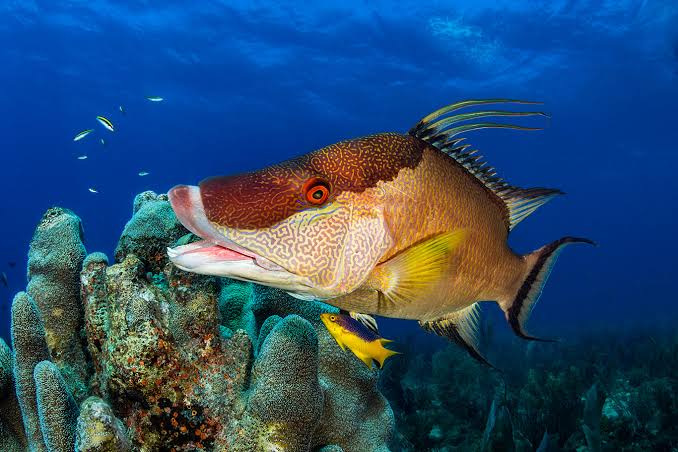
    • Hogfish
    • Grouper (when in season)
    • Yellow Jack

    Patch reefs are especially productive because they provide structure while often experiencing less fishing pressure than larger reef systems.

    Offshore Reefs

    The outer reef tract provides excellent opportunities for experienced divers.

    Depending on depth and regulations, divers may encounter:

    • Mutton Snapper
    • Mangrove Snapper
    • Yellowtail Snapper
    • Grouper
    • African Pompano

    Strong currents are common on offshore reefs, so proper planning and dive safety are essential.

    Gulf Side Spearfishing

    Many anglers focus exclusively on the Atlantic side, but the Gulf side can also provide productive spearfishing opportunities.

    Areas around mangrove shorelines and deeper channels may hold:

    • Mangrove Snapper
    • Sheepshead
    • Jack Crevalle
    • Various reef species

    Water clarity varies significantly depending on weather and tidal conditions.

    Wreck Diving Opportunities

    Artificial reefs and wrecks create habitat for a variety of fish species.

    Wrecks often attract:

    • Mangrove Snapper
    • Mutton Snapper
    • Amberjack
    • Cobia
    • Grouper

    Always verify local regulations before harvesting fish from any wreck site.

    Best Conditions for Spearfishing

    Successful spearfishing often depends on:

    • Good visibility
    • Moderate current
    • Calm seas
    • Proper tidal movement

    Many experienced divers prefer diving during periods of lighter current and favorable visibility.

    Safety Considerations

    Always prioritize safety while spearfishing.

    Recommended practices include:

    • Dive with a buddy
    • Display a dive flag
    • Monitor weather conditions
    • Maintain awareness of boat traffic
    • Know your location before entering the water

    Good planning can prevent dangerous situations and make for a more enjoyable day on the water.

    Species Commonly Targeted

    Popular legal species include:

    • Mangrove Snapper
    • Mutton Snapper
    • Hogfish
    • Grouper (when open)
    • Yellow Jack

    Always verify current size limits, bag limits, and seasonal closures before harvesting fish.

    Final Thoughts

    The Florida Keys offer outstanding spearfishing opportunities for both beginners and experienced divers. By understanding regulations, selecting productive structure, and practicing safe diving techniques, divers can enjoy some of the best underwater hunting available anywhere in the country.

    Whether targeting mangrove snapper on patch reefs or exploring deeper offshore structure, the Florida Keys provide endless opportunities for adventure beneath the surface.

    New to Florida Keys regulations? Read our Florida Keys Spearfishing Regulations Explained guide.

  • How to Read Navionics for Deep Drop Fishing (2026 Guide)

    Introduction

    Finding productive deep drop fishing spots can be one of the biggest challenges for offshore anglers. Fortunately, tools like Navionics make it possible to identify underwater structure, ledges, drop-offs, and contour changes that often hold fish.
    Learning how to read contour lines properly can dramatically improve your success when targeting species such as snowy grouper, tilefish, queen snapper, and other deep-water fish.

    Why Contour Lines Matter

    Contour lines represent changes in water depth. The closer the contour lines are together, the steeper the underwater structure.

    Deep-water species are often found near:

    • Ledges
    • Drop-offs
    • Rock piles
    • Bottom humps
    • Sharp depth changes

    These structures create current breaks and feeding opportunities that attract bait and predator fish.

    Identifying Productive Ledges

    One of the easiest ways to find potential deep drop spots is by locating steep contour changes.

    For example, a depth change from 600 feet to 800 feet over a short distance often indicates a ledge.

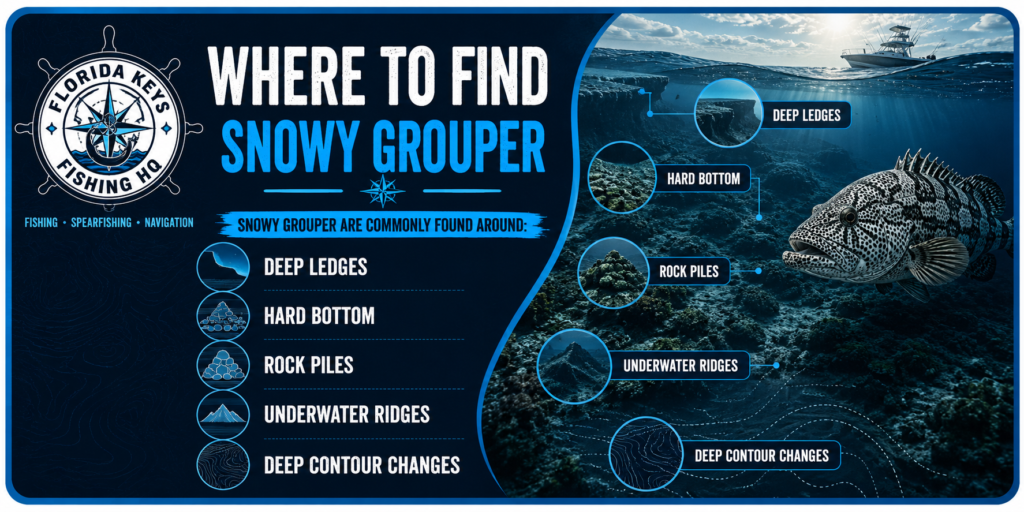
    Snowy grouper frequently hold along these edges, especially where current pushes bait across the structure.

    Finding Bottom Humps

    Bottom humps appear on Navionics as isolated areas where the depth becomes shallower before dropping back off.

    These humps can act as feeding stations for deep-water species.

    When examining a chart, look for:

    • Circular contour patterns
    • Isolated high spots
    • Areas surrounded by deeper water

    These locations are often worth saving as waypoints.

    Using Sonar with Navionics

    Navionics helps identify potential structure, but sonar confirms what is actually below the boat.

    After locating a promising ledge or hump on Navionics:

    1. Approach from down-current.
    2. Idle across the structure.
    3. Watch for bait concentrations.
    4. Look for hard bottom returns.
    5. Mark additional waypoints.

    Combining chart data with sonar observations often reveals productive fishing areas that are not obvious from charts alone.

    Best Depths for Snowy Grouper

    In the Florida Keys, snowy grouper are commonly found in depths ranging from 500 to over 1,200 feet.

    Focus on:

    • Ledges
    • Contour breaks
    • Rocky bottom
    • Current-swept structure

    Many productive spots are located where depth changes occur near deep offshore canyons and slope edges.

    Common Mistakes

    Many anglers make the mistake of dropping directly on the deepest water available.

    Instead, focus on structure within that depth range.

    Fish are usually concentrated around features rather than featureless bottom.

    Another mistake is failing to account for current and drift direction. A good structure spot can fish poorly if your drift never passes over the productive area.

    Final Thoughts

    Navionics is one of the most valuable tools available to offshore anglers. By learning how to identify contour changes, ledges, humps, and bottom structure, you can dramatically improve your ability to locate productive deep drop fishing spots.

    Whether targeting snowy grouper, tilefish, or other deep-water species, understanding chart interpretation is a skill that pays dividends on every offshore trip.

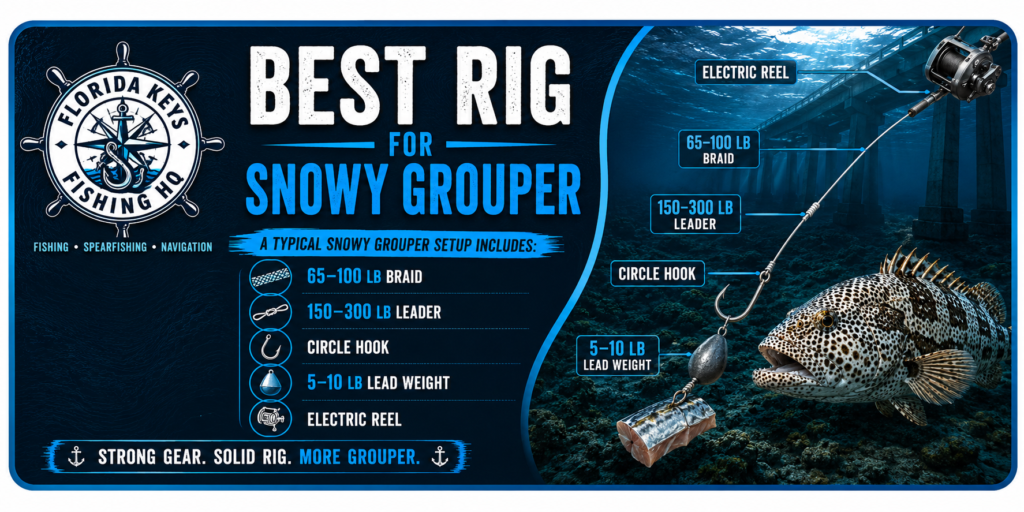
    For more deep drop fishing tips, check out our Snowy Grouper Rig Setup (2026 Guide).

  • Florida Keys Fishing Seasons Guide (2026)

    Introduction

    One of the biggest questions anglers ask before planning a trip is, “What fish are biting right now?” The Florida Keys offer excellent fishing opportunities throughout the year, but certain species are more active during specific seasons.

    This guide breaks down the best times to target some of the most popular game fish in the Florida Keys.

    Spring (March – May)

    Spring is one of the best fishing seasons in the Keys. Water temperatures begin to rise, bait becomes more abundant, and many species become increasingly active.

    Popular spring targets include:

    • Mahi-Mahi
    • Yellowtail Snapper
    • Mangrove Snapper
    • Blackfin Tuna
    • Tarpon
    • Kingfish

    Tarpon fishing begins to heat up during the spring months, especially around bridges and channels throughout the Keys.

    Summer (June – August)

    Summer offers excellent offshore fishing opportunities. Calm seas and warm water bring a variety of pelagic species within range.

    Popular summer targets include:

    • Mahi-Mahi
    • Blackfin Tuna
    • Wahoo
    • Yellowtail Snapper
    • Mangrove Snapper
    • Mutton Snapper

    Many anglers also target deep-water species such as snowy grouper and tilefish during the summer when weather conditions allow for long offshore runs.

    Fall (September – November)

    Fall is often overlooked but can provide outstanding fishing with less boat traffic.

    Popular fall targets include:

    • Mangrove Snapper
    • Grouper
    • Kingfish
    • Blackfin Tuna
    • Yellowtail Snapper

    Cooling water temperatures often trigger increased feeding activity among reef and offshore species.

    Winter (December – February)

    Winter brings cooler temperatures and some of the best reef fishing of the year.

    Popular winter targets include:

    • Yellowtail Snapper
    • Mangrove Snapper
    • Grouper
    • Mackerel
    • Sailfish
    • Blackfin Tuna

    Cold fronts can create excellent opportunities for sailfish along the reef edge.

    Best Year-Round Species

    Several species can be caught throughout most of the year in the Florida Keys:

    Mangrove Snapper

    Mangrove snapper are one of the most reliable species in the Keys and can be found around bridges, docks, mangroves, reefs, and wrecks.

    Yellowtail Snapper

    Yellowtail snapper provide excellent action year-round, especially on patch reefs and offshore reef structures.

    Blackfin Tuna

    While peak seasons exist, blackfin tuna can be encountered throughout much of the year depending on water conditions and bait concentrations.

    Final Thoughts

    The Florida Keys provide world-class fishing opportunities during every season. Understanding seasonal patterns can help anglers target the right species at the right time and improve their chances of success.

    Whether you’re fishing bridges, reefs, wrecks, or deep offshore structure, there is always something biting somewhere in the Florida Keys.

  • How to Use Navionics to Find Deep Drop Fishing Spots (2026 Guide)

    Introduction

    Finding productive deep drop fishing spots can be one of the biggest challenges for offshore anglers. Fortunately, tools like Navionics make it possible to identify underwater structure, ledges, drop-offs, and contour changes that often hold fish.

    Learning how to read contour lines properly can dramatically improve your success when targeting species such as snowy grouper, tilefish, and other deep-water fish.

    Why Contour Lines Matter

    Contour lines represent changes in water depth. The closer the lines are together, the steeper the bottom structure.

    Deep-water species often relate to:

    • Ledges
    • Drop-offs
    • Hard bottom
    • Underwater ridges
    • Sharp depth changes

    These areas provide feeding opportunities and concentrate baitfish.

    What To Look For

    When searching Navionics charts, focus on:

    • Tight contour lines
    • Sudden depth changes
    • Underwater points
    • Isolated structure
    • Bottom features surrounded by deeper water

    These locations often produce better results than large flat areas.

    Finding Snowy Grouper Spots

    When targeting snowy grouper, many anglers focus on steep contour changes and ledges in deep water.

    Look for:

    • Significant depth breaks
    • Sharp drop-offs
    • Structure adjacent to deep water
    • Areas where contour lines bunch together

    These features frequently attract bait and predator species.

    Marking Waypoints

    Whenever you catch fish, immediately save a waypoint.

    Over time, a collection of productive waypoints can become one of the most valuable tools in your fishing arsenal.

    Many successful anglers build their own private library of productive locations over several seasons.

    Common Mistakes

    Many anglers:

    • Fish flat bottom
    • Ignore contour changes
    • Drift too quickly
    • Fail to save productive waypoints
    • Overlook isolated structure

    Paying attention to chart details can dramatically improve results.

    Final Thoughts

    Navionics is one of the most valuable tools available to offshore anglers. Learning to identify productive structure, contour changes, and deep-water features can help you consistently locate fish and spend more time fishing productive areas.