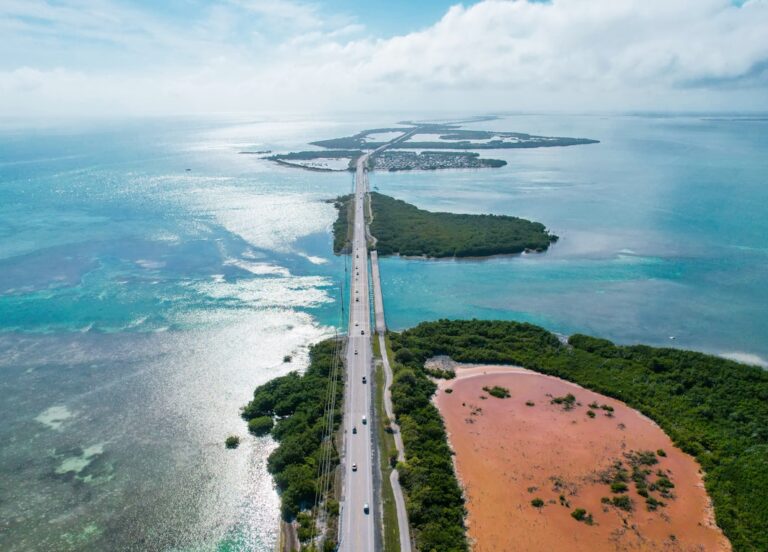
Category: Bridge fishing

  • Introduction

    When it comes to catching mangrove snapper in the Florida Keys, few rigs are as effective as the knocker rig. Simple, versatile, and highly effective, the knocker rig allows anglers to present bait naturally while keeping it close to structure where mangrove snapper feed.

    Whether you’re fishing bridges, reefs, wrecks, patch reefs, or mangrove shorelines, a properly rigged knocker rig can dramatically improve your success.

    What Is a Knocker Rig?

    A knocker rig consists of an egg sinker that slides directly on the leader and rests against the hook. This simple design allows bait to sink naturally while maintaining excellent sensitivity.

    The knocker rig is especially effective when targeting:

    • Mangrove snapper
    • Mutton snapper
    • Yellowtail snapper
    • Grouper
    • Hogfish

    Because the weight remains close to the bait, anglers maintain better contact with the bottom while still allowing natural movement.

    Why Knocker Rigs Work So Well

    Mangrove snapper often hold tight to structure and can be extremely cautious.

    The knocker rig offers several advantages:

    • Natural bait presentation
    • Excellent sensitivity
    • Easy to fish around structure
    • Quick sink rate
    • Simple construction

    Many Florida Keys anglers consider the knocker rig their go-to setup for snapper fishing.

    Best Knocker Rig Setup

    Leader Material

    • 20–40 lb fluorocarbon for average mangrove snapper
    • 40–60 lb fluorocarbon for larger fish around heavy structure

    Hook Size

    Recommended circle hook sizes:

    • 2/0
    • 3/0
    • 4/0

    Larger fish may require 5/0 hooks.

    Egg Weight Size

    Weight selection depends on current and depth:

    • 1/4 oz to 1 oz for shallow water
    • 1 oz to 3 oz for moderate current
    • 3 oz to 6 oz for deeper reefs and bridges

    Always use the lightest weight possible while maintaining bottom contact.

    Best Baits for Knocker Rigs

    Top-producing baits include:

    • Live shrimp
    • Pilchards
    • Pinfish
    • Ballyhoo chunks
    • Squid
    • Cut bait

    Fresh bait typically produces the best results.

    Where to Fish a Knocker Rig

    Knocker rigs excel around:

    • Channel 2 Bridge
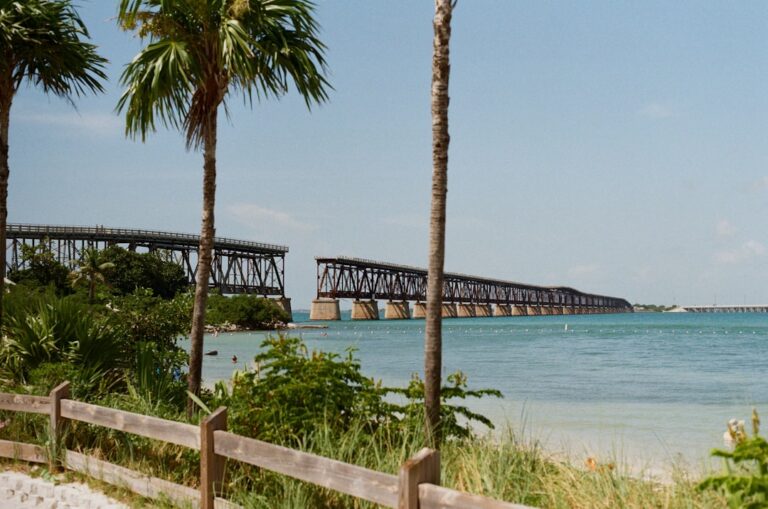
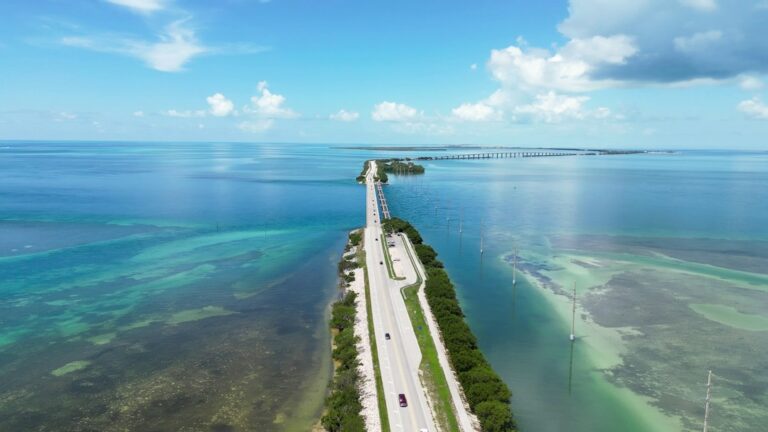
    • Florida Keys bridges
    • Patch reefs
    • Offshore reefs
    • Wrecks
    • Mangrove shorelines

    The rig is particularly effective whenever fish are holding close to structure.

    Common Knocker Rig Mistakes

    Many anglers:

    • Use leaders that are too heavy
    • Fish weights that are too large
    • Set the hook too aggressively with circle hooks
    • Ignore current direction

    Allow circle hooks to do their job by simply reeling steadily when a fish bites.

    Custom Knocker Rigs Available

    Don’t want to tie your own?

    We offer custom-built knocker rigs designed specifically for Florida Keys fishing.

    Available options include:

    • Monofilament or fluorocarbon leaders
    • 10 lb to 100 lb leader material
    • Circle hooks or J-hooks
    • Hook sizes from 1/0 to 13/0
    • Standard or glow beads
    • Barrel swivel or snap swivel connections
    • Leader lengths from 1 to 10 feet

    For pricing, recommendations, or custom orders, email:

    Floridakeysfishinghq@gmail.com

    We’re happy to recommend a setup based on your target species and fishing conditions.

    Final Thoughts

    The knocker rig remains one of the most effective setups for mangrove snapper fishing in the Florida Keys. Its simplicity, versatility, and natural bait presentation make it a favorite among local anglers.

    Whether you’re fishing bridges, reefs, or wrecks, a properly configured knocker rig can help you consistently catch more snapper throughout the year.

    Related Florida Keys Snapper Fishing Guides

    Looking to catch more snapper in the Florida Keys? Check out these helpful guides:

    Mangrove Snapper Fishing in the Florida Keys (2026 Guide)

    Learn where to find mangrove snapper and the best techniques for consistently catching them.

    Best Bait for Mangrove Snapper in the Florida Keys (2026 Guide)

    Discover which live and cut baits consistently produce the best results.

    Channel 2 Bridge Fishing Guide (2026 Guide)

    One of the most productive places in the Keys to fish a knocker rig.

    Best Florida Keys Bridges for Fishing (2026 Guide)

    Explore other productive bridge fishing opportunities throughout the Keys.

    Custom Fishing Rigs

    Need a professionally tied knocker rig? Visit our Custom Fishing Rigs page or email Floridakeysfishinghq@gmail.com for recommendations and pricing.

  • Introduction

    Yellowtail snapper are one of the most popular and accessible reef fish in the Florida Keys. Known for their excellent table fare, aggressive bites, and abundance throughout the Keys, yellowtail snapper provide action for anglers of all skill levels.

    Whether you’re fishing offshore reefs, patch reefs, or wrecks, understanding how to properly chum and present bait is often the key to success. In this guide, we’ll cover where to find yellowtail snapper, the best bait, tackle, techniques, and seasonal considerations for catching them in the Florida Keys.

    Where to Find Yellowtail Snapper

    Yellowtail snapper are commonly found around:

    • Offshore coral reefs
    • Patch reefs
    • Artificial reefs
    • Wrecks
    • Hard bottom structure

    Most anglers target yellowtails in water depths ranging from 20 to 120 feet.

    Some of the best yellowtail fishing occurs along the reef tract running the length of the Florida Keys.

    Best Bait for Yellowtail Snapper

    Yellowtail snapper are not usually difficult to feed, but they can become selective in clear water.

    Top baits include:

    • Fresh shrimp
    • Cut ballyhoo
    • Squid strips
    • Pilchards
    • Ballyhoo chunks
    • Small pieces of bonito

    Using small bait pieces generally produces more bites than oversized offerings.

    The Importance of Chumming

    Chumming is one of the most effective techniques for yellowtail snapper fishing.

    Most successful anglers use:

    • Frozen block chum
    • Ground chum
    • Cut bait pieces

    The goal is to create a steady chum slick that draws fish away from the reef and up into the water column.

    Once fish appear in the slick, free-line small baits naturally with the current.

    Best Tackle Setup

    Rod

    • 7 to 8-foot medium-light spinning rod

    Reel

    • 3000–5000 size spinning reel

    Main Line

    • 10–20 lb braided line

    Leader

    • 10–20 lb fluorocarbon leader

    Lighter leaders often produce more bites, especially in clear water.

    Best Rig for Yellowtail Snapper

    The most effective yellowtail rig is usually the simplest.

    Free-Line Rig

    • Fluorocarbon leader
    • Small circle hook
    • No weight

    If current conditions require additional weight, use the smallest split shot possible.

    Natural presentation is critical when targeting larger yellowtails.

    Best Time to Catch Yellowtail Snapper

    Yellowtail snapper can be caught year-round in the Florida Keys.

    Many anglers experience excellent fishing during:

    • Spring
    • Summer
    • Early fall

    However, productive fishing is possible during every month of the year when conditions allow.

    Are Yellowtail Snapper Good to Eat?

    Yellowtail snapper are widely considered one of the best-eating fish in the Florida Keys.

    Their fillets are:

    • Mild flavored
    • Firm textured
    • Excellent grilled
    • Great fried
    • Perfect for fish tacos

    Many local anglers rank yellowtail among their favorite table fish.

    Tips for Catching Bigger Yellowtails

    If you’re targeting larger fish:

    • Use lighter fluorocarbon leaders
    • Fish farther back in the chum slick
    • Use smaller hooks
    • Present baits naturally
    • Avoid excessive weight

    The largest yellowtails are often the most cautious fish in the school.

    Final Thoughts

    Yellowtail snapper are one of the most consistent and rewarding species available to Florida Keys anglers. With a good chum slick, quality bait, and light tackle, anglers can enjoy excellent action while putting some of the best table fare in the cooler.

    Whether you’re fishing from a private boat, bridge, or charter, learning how to target yellowtail snapper is a skill that will pay off throughout the Florida Keys.

    Looking to catch more snapper in the Florida Keys? Check out these helpful guides:

    Best Bait for Yellowtail Snapper in the Florida Keys (2026 Guide)

    Learn which baits consistently produce yellowtail snapper on reefs, wrecks, and patch reefs throughout the Keys.

    Mangrove Snapper Fishing in the Florida Keys (2026 Guide)

    Discover where to find mangrove snapper and the techniques that work best around bridges, reefs, and mangrove shorelines.

    Best Bait for Mangrove Snapper in the Florida Keys (2026 Guide)

    See which live and cut baits produce the biggest mangrove snapper year-round.

    Mutton Snapper Fishing in the Florida Keys (2026 Guide)

    Learn how to target one of the most prized snapper species found in Florida Keys waters.

    Best Florida Keys Bridges for Fishing (2026 Guide)

    Many anglers catch yellowtail, mangrove snapper, and other species around productive bridge systems throughout the Keys.

  • Introduction

    Hogfish are one of the most sought-after fish in the Florida Keys. Known for their excellent table fare and unique appearance, hogfish are commonly targeted by spearfishermen and occasionally caught by hook-and-line anglers fishing shallow reefs and patch reefs throughout the Keys.

    From Key Largo to Key West, hogfish can be found in relatively shallow water and provide an exciting challenge for divers looking to bring home one of the best-eating fish in Florida.

    Where to Find Hogfish in the Florida Keys

    Hogfish are most commonly found on:

    • Patch reefs
    • Hard bottom areas
    • Shallow ledges
    • Coral heads
    • Mixed rock and sand bottoms

    Most hogfish are caught in:

    • 10 to 60 feet of water
    • Patch reefs off Islamorada
    • Nearshore reefs off Marathon
    • Gulf side hard bottom areas
    • Lower Keys patch reef systems

    Unlike grouper and snapper, hogfish spend much of their time searching the bottom for crustaceans and other prey.

    Best Bait for Hogfish

    For anglers using rod and reel, the best baits include:

    • Live shrimp
    • Fresh shrimp pieces
    • Small crabs
    • Sand fleas
    • Squid strips

    Light tackle provides the best fight and allows anglers to detect subtle bites.

    Best Time to Catch Hogfish

    Hogfish can be caught year-round in the Florida Keys, but fishing is often best during:

    • Fall
    • Winter
    • Early spring

    Cooler water temperatures frequently push larger fish into shallower areas.

    Spearfishing for Hogfish

    Spearfishing is by far the most popular method for targeting hogfish.

    Successful hogfish hunters typically:

    • Move slowly along patch reefs
    • Watch for fish feeding on the bottom
    • Avoid sudden movements
    • Take longer shots carefully due to the fish’s cautious behavior

    Many divers consider hogfish one of the best species for beginning spearfishermen because they are often found in relatively shallow water.

    Florida Hogfish Regulations

    Before targeting hogfish, always check current Florida regulations.

    Regulations can change and may include:

    • Minimum size requirements
    • Daily bag limits
    • Seasonal restrictions

    Always verify current rules before harvesting fish.

    Why Hogfish Are So Popular

    Hogfish are prized because they:

    • Have excellent white meat
    • Are easy to clean
    • Fight well on light tackle
    • Are abundant throughout much of the Florida Keys
    • Provide excellent opportunities for spearfishermen

    Many Florida Keys anglers consider hogfish one of the best-tasting fish available.

    Final Thoughts

    Whether you’re diving patch reefs near Islamorada, fishing shallow structure off Marathon, or exploring reefs in the Lower Keys, hogfish provide one of the most rewarding fishing opportunities in Florida. Their outstanding table quality and widespread availability make them a favorite target for both anglers and spearfishermen throughout the Keys.

  • Gag grouper are one of the most exciting bottom fish available to Florida Keys anglers. Known for powerful strikes and hard fights, gag grouper are a favorite target for fishermen exploring reefs, ledges, wrecks, and offshore structure throughout the Keys.

    Although they are not as common as some other grouper species in the Florida Keys, anglers who target the right habitat can enjoy excellent success.

    Where to Find Gag Grouper

    Gag grouper prefer structure and are commonly found around:

    • Natural ledges
    • Hard bottom
    • Offshore reefs
    • Shipwrecks
    • Rocky outcroppings

    Many productive areas are located in depths ranging from 40 to 200 feet.

    Larger fish are often found on deeper offshore structure where fishing pressure is lower.

    Best Bait for Gag Grouper

    Live bait is often the most effective choice for gag grouper.

    Top options include:

    • Pinfish
    • Blue runners
    • Grunts
    • Pilchards
    • Ballyhoo

    Fresh cut bait can also produce excellent results, especially around deeper structure.

    Many anglers prefer larger baits when targeting trophy-sized fish.

    Best Rig for Gag Grouper

    A simple bottom fishing rig works well for gag grouper.

    Recommended setup:

    • 50-80 lb braided main line
    • 60-100 lb fluorocarbon leader
    • 7/0 to 10/0 circle hook
    • Appropriate sinker for depth and current

    The goal is to keep the bait close to the bottom while maintaining enough strength to pull fish away from structure.

    Best Time to Catch Gag Grouper

    Gag grouper fishing can be productive throughout much of the year.

    Many anglers experience their best success:

    • During spring
    • During fall
    • Around moving tides
    • During periods of strong current

    Current often stimulates feeding activity and positions fish along structure.

    Best Depth for Gag Grouper

    Smaller gag grouper can sometimes be found in relatively shallow water.

    Larger fish are commonly caught in:

    • 60 to 120 feet
    • 120 to 200 feet
    • Deep ledges and wrecks

    Fish often position themselves near drop-offs and areas with significant bottom relief.

    Fishing Techniques

    Live Bait Fishing

    Live bait remains the preferred method for many anglers.

    Allow the bait to stay close to the bottom and be prepared for an aggressive strike.

    Drift Fishing

    Drifting allows anglers to cover more structure and locate active fish.

    Many successful fishermen mark productive areas and repeat drifts over the same structure.

    Vertical Jigging

    Heavy jigs can be effective when fish are holding tightly to deep structure.

    Jigging is especially useful when current conditions make bait fishing difficult.

    Common Mistakes

    One of the most common mistakes is allowing a hooked grouper too much time to reach structure.

    After the strike, anglers should apply steady pressure immediately to prevent the fish from returning to rocks, reefs, or wrecks.

    Another mistake is using tackle that is too light for the terrain being fished.

    Regulations

    Grouper regulations change periodically and may include seasonal closures, size limits, and bag limits.

    Always review the latest Florida Fish and Wildlife Conservation Commission (FWC) regulations before targeting gag grouper.

    Final Thoughts

    Gag grouper provide some of the most exciting bottom fishing opportunities available in the Florida Keys. By targeting productive structure, using quality live bait, and fishing moving water, anglers can significantly improve their success.

    Whether fishing reefs, ledges, or offshore wrecks, gag grouper remain a highly respected and rewarding species for Florida Keys fishermen.


    Looking for another popular grouper species? Check out our Black Grouper Fishing in the Florida Keys (2026 Guide).

    And:

    Want to locate better bottom structure? Read our How to Read Navionics for Deep Drop Fishing (2026 Guide).

  • Black grouper are among the most sought-after reef fish in the Florida Keys. They grow to impressive sizes, fight hard, and provide excellent table fare. Found throughout the Keys on reefs, wrecks, and rocky ledges, black grouper are a favorite target for both recreational anglers and experienced charter captains.

    Where to Find Black Grouper

    Black grouper are structure-oriented fish that prefer:

    • Coral reefs
    • Natural ledges
    • Shipwrecks
    • Patch reefs
    • Rocky bottom areas

    In the Upper Keys, productive areas can be found offshore of Key Largo and Islamorada. Further south, Marathon and the Lower Keys also offer excellent grouper habitat.

    Larger fish are commonly found in water depths from 40 to 150 feet, although trophy fish can be caught much deeper.

    Best Bait for Black Grouper

    Live bait consistently produces the biggest grouper.

    Top choices include:

    • Blue runners
    • Pinfish
    • Grunts
    • Pilchards
    • Ballyhoo

    Fresh cut bait such as bonito, mackerel, and mullet can also be highly effective.

    Best Rig for Grouper Fishing

    A simple grouper rig works best:

    • 50-80 lb fluorocarbon leader
    • 7/0 to 10/0 circle hook
    • Appropriate sinker for current
    • Live bait positioned near the bottom

    The key is getting the bait directly into the strike zone while maintaining enough strength to pull fish away from structure.

    Best Time to Catch Black Grouper

    Black grouper can be caught year-round in the Florida Keys.

    Peak fishing often occurs:

    • Spring
    • Early summer
    • Fall

    Many anglers find the best action around moving tides and periods of increased current.

    Best Depth for Black Grouper

    Common depth ranges include:

    • 30-60 feet on patch reefs
    • 60-120 feet on reef edges
    • 100-200 feet on deeper ledges and wrecks

    Larger fish are often caught on deeper structure away from heavily pressured areas.

    Techniques for Catching More Grouper

    Live Bait Fishing

    Live bait remains the most effective technique for trophy grouper. Position the bait near structure and be prepared for an immediate strike.

    Drift Fishing

    Drifting over ledges and reefs allows anglers to cover more ground and locate active fish.

    Vertical Jigging

    Heavy jigs can be extremely productive when grouper are holding tightly to deep structure.

    Common Mistakes

    Many anglers lose grouper because they do not apply enough pressure immediately after the hookset.

    Black grouper will attempt to return to the reef or wreck. Heavy tackle and aggressive pressure during the first few seconds are critical.

    Florida Keys Grouper Regulations

    Always check current Florida regulations before fishing. Grouper seasons, size limits, and bag limits can change and vary by species.

    Review current regulations through the official Florida Fish and Wildlife Conservation Commission (FWC) before your trip.

    Final Thoughts

    Black grouper are one of the premier gamefish found in the Florida Keys. Whether fishing patch reefs near Key Largo, offshore ledges near Islamorada, or deep wrecks in the Lower Keys, anglers who use quality live bait and focus on productive structure can consistently catch impressive fish.

    With proper preparation and knowledge of local conditions, black grouper fishing can provide some of the most exciting action available anywhere in the Florida Keys.

  • Mutton snapper are considered one of the most prized reef fish in the Florida Keys. Known for their powerful runs, excellent table fare, and impressive size, mutton snapper are a favorite target for both recreational and charter anglers.

    While they can be challenging to catch, anglers who understand their habits, preferred habitats, and feeding patterns can consistently find success throughout the Florida Keys.

    Where to Find Mutton Snapper

    Mutton snapper are commonly found around reefs, wrecks, patch reefs, ledges, and hard-bottom structure throughout the Florida Keys.

    Many larger fish are caught in water depths ranging from 30 to 150 feet, although smaller mutton snapper can often be found on shallow patch reefs.

    Popular areas include:

    • Patch reefs off Key Largo
    • Reef edges off Islamorada
    • Offshore wrecks near Marathon
    • Hard-bottom areas in the Lower Keys
    • Deep reef ledges and drop-offs

    Mutton snapper often move away from structure to feed, especially during spawning periods and low-light conditions.

    Best Bait for Mutton Snapper

    Live bait is often the most effective option when targeting larger mutton snapper.

    Top baits include:

    • Live pilchards
    • Ballyhoo
    • Pinfish
    • Threadfin herring
    • Live shrimp

    Fresh cut bait can also be highly productive. Many experienced anglers use chunks of ballyhoo, bonito, or other fresh baitfish to attract mutton snapper from surrounding areas.

    Best Rig for Mutton Snapper

    One of the most effective setups is a simple knocker rig.

    Use:

    • 20-40 lb fluorocarbon leader
    • 4/0 to 7/0 circle hook
    • Sliding egg sinker
    • Fresh live or cut bait

    The goal is to present the bait naturally while keeping it close to the bottom where mutton snapper feed.

    When current is strong, heavier sinkers may be needed to maintain bottom contact.

    Best Time to Catch Mutton Snapper

    Mutton snapper can be caught year-round in the Florida Keys, but spring and early summer often provide the best opportunities.

    Many anglers target mutton snapper during spawning periods around the full moon from April through July.

    Low-light conditions frequently produce the most bites. Early morning, late afternoon, and nighttime can all be excellent times to fish.

    Best Depth for Mutton Snapper

    While mutton snapper can be found in shallow water, larger fish are commonly caught between 50 and 120 feet.

    Patch reefs in 20 to 40 feet can hold good numbers of fish, but anglers targeting trophy-sized muttons often focus on deeper reef edges and offshore structure.

    Tips for Catching More Mutton Snapper

    • Use fluorocarbon leaders in clear water.
    • Keep bait presentations natural.
    • Avoid heavy terminal tackle whenever possible.
    • Fish during moon phases with strong tidal movement.
    • Drift over productive structure when conditions allow.
    • Use fresh bait whenever possible.

    Mutton snapper are known for being cautious feeders, so stealth and presentation are often more important than heavy tackle.

    Common Mistakes

    Many anglers fish too close to structure when targeting mutton snapper.

    Unlike mangrove snapper, mutton snapper frequently move away from reefs and wrecks to feed. Allowing baits to drift naturally away from structure often produces better results.

    Another common mistake is using oversized hooks or leaders that reduce natural bait movement.

    Final Thoughts

    Mutton snapper are one of the most rewarding fish to target in the Florida Keys. By focusing on quality bait, natural presentations, productive reef structure, and favorable moon phases, anglers can dramatically improve their success.

    Whether you’re fishing patch reefs off Key Largo, offshore wrecks near Islamorada, or deeper ledges in the Lower Keys, mutton snapper provide exciting action and some of the best eating fish found anywhere in Florida waters.

    Mutton snapper fish, lutjanus analis, swimming in blue water
  • Mangrove snapper are one of the most popular and reliable fish species in the Florida Keys. They can be caught throughout the year, but anglers who understand seasonal patterns, tides, moon phases, and feeding behavior consistently catch larger fish and fill limits faster.

    Whether you’re fishing bridges in Key Largo, patch reefs off Islamorada, or mangrove shorelines in the backcountry, knowing when mangrove snapper are most active can make a huge difference in your success.

    Best Season for Mangrove Snapper

    Mangrove snapper can be caught year-round in the Florida Keys, but the best fishing generally occurs from late spring through early fall.

    From May through September, warmer water temperatures increase feeding activity and bring larger schools of snapper onto reefs, bridges, wrecks, and mangrove shorelines. Summer is often considered the peak season for both numbers and size.

    Fall can also produce excellent fishing as water temperatures remain warm and baitfish are abundant throughout the Keys.

    Best Time of Day

    Mangrove snapper are known for being cautious feeders during bright daylight hours. Early morning and late evening are often the most productive times to target them.

    The first few hours after sunrise and the last few hours before sunset typically provide the best action. Low-light conditions make snapper less wary and more willing to leave structure to feed.

    Night fishing around bridges and dock lights can be especially productive. Many experienced Florida Keys anglers target mangrove snapper after dark using live shrimp, pilchards, or small pieces of cut bait.

    Best Tide for Mangrove Snapper

    Moving water is one of the most important factors when targeting mangrove snapper.

    An incoming or outgoing tide that creates steady current around bridges, reefs, docks, and mangrove shorelines often produces the best fishing. Current carries baitfish and crustaceans directly to waiting snapper.

    Slack tide periods can be slower because bait movement decreases and fish become less active.

    For bridge fishing in particular, many anglers prefer fishing the first half of an incoming tide or the first half of an outgoing tide when current is strongest.

    Does the Moon Phase Matter?

    Moon phases can significantly impact mangrove snapper fishing in the Florida Keys.

    The days surrounding the new moon and full moon generally create stronger tidal movement, which increases feeding activity. Larger tidal swings often improve fishing around bridges, channels, and reef structures.

    Many anglers report excellent snapper fishing within three days before and after a full or new moon.

    While mangrove snapper can certainly be caught during any moon phase, stronger tides usually result in more consistent action.

    Best Locations in the Florida Keys

    Some of the best places to target mangrove snapper include:

    • Channel 2 Bridge
    • Seven Mile Bridge
    • Bahia Honda Bridge
    • Tom’s Harbor Cut
    • Nearshore patch reefs
    • Gulf side mangrove shorelines
    • Dock lights and residential canals
    • Artificial reefs and wrecks

    Bridges are especially productive because current concentrates bait and provides structure that attracts large numbers of snapper.

    Tips for Catching More Mangrove Snapper

    A few simple adjustments can dramatically increase your catch rate:

    • Use fluorocarbon leaders for clear water conditions.
    • Fish during low-light periods whenever possible.
    • Use live shrimp, pilchards, pinfish, or small chunks of cut bait.
    • Match hook size to bait size.
    • Keep baits close to structure without getting snagged.
    • Fish moving water whenever possible.

    Patience and stealth are often more important than heavy tackle when targeting larger mangrove snapper.

    Final Thoughts

    The best time to catch mangrove snapper in the Florida Keys is typically during the warmer months, around moving tides, and during low-light conditions. While these fish are available year-round, anglers who focus on current, moon phase, and feeding periods consistently experience the best success.

    Whether you’re fishing bridges in Key Largo, patch reefs off Islamorada, or mangrove shorelines throughout the Keys, applying these strategies will help you catch more mangrove snapper and improve your overall fishing results.

  • Introduction

    Yellowtail snapper are one of the most popular reef fish in the Florida Keys. They provide excellent table fare, fight hard on light tackle, and can be caught throughout much of the year.

    Success often comes down to using the right bait and creating an effective chum slick that draws fish behind the boat.

    Why Bait Matters

    Yellowtail snapper are visual feeders that spend much of their time suspended in the water column.

    Unlike mangrove snapper, yellowtails often move away from structure to investigate chum and drifting bait presentations.

    Choosing the proper bait can significantly increase the number and size of fish caught.

    Fresh Shrimp

    Fresh shrimp is one of the most effective yellowtail snapper baits available.

    Benefits include:

    • Easy to obtain
    • Natural scent
    • Excellent hook presentation
    • Effective year-round

    Many anglers use small pieces rather than entire shrimp to match the size of chum being introduced into the water.

    Ballyhoo

    Small chunks of ballyhoo are extremely popular among Florida Keys anglers.

    Ballyhoo:

    • Stays on the hook well
    • Produces a strong scent trail
    • Matches local forage
    • Works well in deeper water

    Fresh ballyhoo often outperforms frozen bait when available.

    Cut Bonita

    Bonita is frequently used for both chum and hook bait.

    The oily flesh creates a strong scent trail that can attract yellowtail snapper from long distances.

    Small strips or chunks can be highly effective when drifted naturally in the chum slick.

    Pilchards

    Live or freshly cut pilchards are another excellent option.

    Pilchards are common throughout the Keys and are a natural food source for many reef species.

    When available, they can produce outstanding results.

    The Importance of Chumming

    Many experienced yellowtail anglers believe chum is more important than the bait itself.

    A consistent chum slick:

    • Draws fish toward the boat
    • Keeps fish feeding
    • Creates competition among snapper
    • Increases bite frequency

    Frozen chum blocks are commonly used throughout the Florida Keys reef fishery.

    Best Hook and Leader Setup

    For yellowtail snapper:

    • Small circle hooks
    • 10–20 lb fluorocarbon leaders
    • Light spinning tackle

    Lighter leaders often produce more bites in clear water conditions.

    Common Mistakes

    Common yellowtail mistakes include:

    • Using oversized hooks
    • Fishing heavy leaders
    • Not using enough chum
    • Dropping bait too quickly
    • Ignoring current direction

    Presentation is often more important than expensive tackle.

    Final Thoughts

    The best bait for yellowtail snapper in the Florida Keys often includes fresh shrimp, ballyhoo, pilchards, and bonita. Combined with a strong chum slick and light tackle, these baits can produce excellent action on reefs throughout the Keys.

    Whether you’re fishing patch reefs or offshore reef structure, using natural bait and proper presentation will consistently put more yellowtail snapper in the cooler.

    Looking for another popular snapper species? Check out our Mangrove Snapper Fishing Guide (2026 Florida Keys Edition).

    Learn when different species are most active in our Florida Keys Fishing Seasons Guide (2026).

  • Introduction

    Mangrove snapper are one of the most popular fish species in the Florida Keys. They can be found around bridges, mangroves, patch reefs, wrecks, and offshore structure. While mangrove snapper will eat a variety of baits, some options consistently outperform others. Choosing the right bait can make the difference between a slow day and a full cooler.

    Live Shrimp

    Live shrimp are one of the most effective baits for mangrove snapper. Their natural movement and scent attract fish in both shallow and deep water. Shrimp work particularly well around bridge pilings, mangrove shorelines, and patch reefs where snapper naturally feed. Hook the shrimp lightly through the horn to keep it alive and active.

    Pilchards

    Pilchards are a favorite bait among experienced Florida Keys anglers. These small baitfish are commonly found throughout the Keys and closely match the natural forage that mangrove snapper feed on every day. Free-lining a live pilchard around structure can produce aggressive strikes from larger snapper.

    Pinfish

    Pinfish are another excellent bait choice, especially when targeting larger mangrove snapper. Their durability allows them to stay alive longer in strong current and around structure. Many anglers use small live pinfish near bridge pilings and reef edges where trophy-sized snapper are often found.

    Ballyhoo

    Ballyhoo are commonly used throughout the Florida Keys for a variety of species, including mangrove snapper. Small live or freshly cut pieces of ballyhoo provide excellent scent and visibility in the water. They are especially productive around offshore reefs and wrecks.

    Cut Bait

    Fresh cut bait can be extremely effective when mangrove snapper are feeding aggressively. Cut pinfish, ballyhoo, sardines, and other local baitfish release scent into the water and attract fish from a distance. Smaller chunks often work best because snapper can easily consume them.

    Best Rig for Mangrove Snapper

    A simple fluorocarbon leader with a small circle hook is often all that is needed for mangrove snapper. In shallow water, many anglers prefer to free-line live bait naturally with the current. In deeper water or stronger current, adding a small weight helps keep the bait in the strike zone.

    Best Locations in the Florida Keys

    Mangrove snapper can be found throughout the Florida Keys. Productive areas include bridge pilings, mangrove shorelines, patch reefs, wrecks, and offshore reefs. Fish are often concentrated around structure where they can ambush bait carried by the current.

    Final Thoughts

    Mangrove snapper are abundant throughout the Florida Keys and provide excellent fishing opportunities year-round. Live shrimp, pilchards, pinfish, ballyhoo, and fresh cut bait are among the most productive options available. Matching the local forage and fishing around structure will greatly improve your chances of success.

  • Where Is Channel 2 Bridge?

    Channel 2 Bridge is located near Marathon in the Middle Florida Keys. It connects Key Vaca and Long Key and is known for strong tidal flow, deep water access, and excellent fishing opportunities throughout the year.

    What Fish Can You Catch at Channel 2 Bridge?

    Anglers commonly catch mangrove snapper, mutton snapper, tarpon, jack crevalle, barracuda, sharks, permit, and various reef species. The bridge structure attracts baitfish which in turn attracts larger predators.

    Best Baits for Channel 2 Bridge

    Live shrimp, pilchards, pinfish, cut bait, and live mullet are among the most productive baits. Matching the local forage often produces the best results.

    Best Tides for Fishing Channel 2 Bridge

    Moving water is critical. Incoming and outgoing tides create strong current that pushes bait through the bridge openings. Most experienced anglers prefer fishing during the strongest portions of the tide change.

    Best Time of Year to Fish Channel 2 Bridge

    Fishing can be productive year-round, but spring and fall often provide the most consistent action. Tarpon fishing is especially popular during seasonal migrations.

    Fishing Tips for Success

    Focus on current seams, bridge pilings, and areas where baitfish are concentrated. Use enough weight to maintain bottom contact and always pay attention to changing tide conditions.

    Final Thoughts

    Channel 2 Bridge remains one of the most productive bridge fishing locations in the Florida Keys. With proper timing and bait selection, anglers can target a wide variety of species throughout the year.